
West Bank · 08 September, 2026 · 2 min read
Ed Miliband Announces Sanctions on Israeli Settlements in West Bank, Israel Closes British Consulate
UK imposes sanctions on Israeli settlements in the West Bank and bans imports. Israel closes Britain's consulate in East Jerusalem in retaliation.
Whether the sanctions risk security cooperation or are electoral strategy.
10 of 12 outlets skipped it: UK claims it anticipates Israeli retaliation but intelligence ties will continue.
CNN was read line by line by the Watchdog: 5.0. See the score →
16outlets compared
Same story, two versions
tap a side to read it in full
The National
“information sharing between Mossad and British intelligence agencies had already “significantly dropped away””Read the original ↗
AOL and The National lean into domestic electoral and security angles, while the others focus more on antisemitism-safe reassurance.
UK sanctions on West Bank
Britain’s Foreign Secretary Ed Miliband announced sweeping sanctions on trade with Israeli settlements in the occupied West Bank on Tuesday, with the government taking the position that Israel’s occupation of the Palestinian territory was unlawful.
“On Tuesday, the foreign secretary announced sweeping sanctions on trade with Israeli settlements in the West Bank”
Miliband said the measures were coordinated with France, Canada and nine other countries introducing sanctions over the increasing expansion of settlements, which the UK government says is threatening the future of a Palestinian state.
The sanctions move drew a sharp response from Israel, which announced the closure of the British consulate in East Jerusalem.
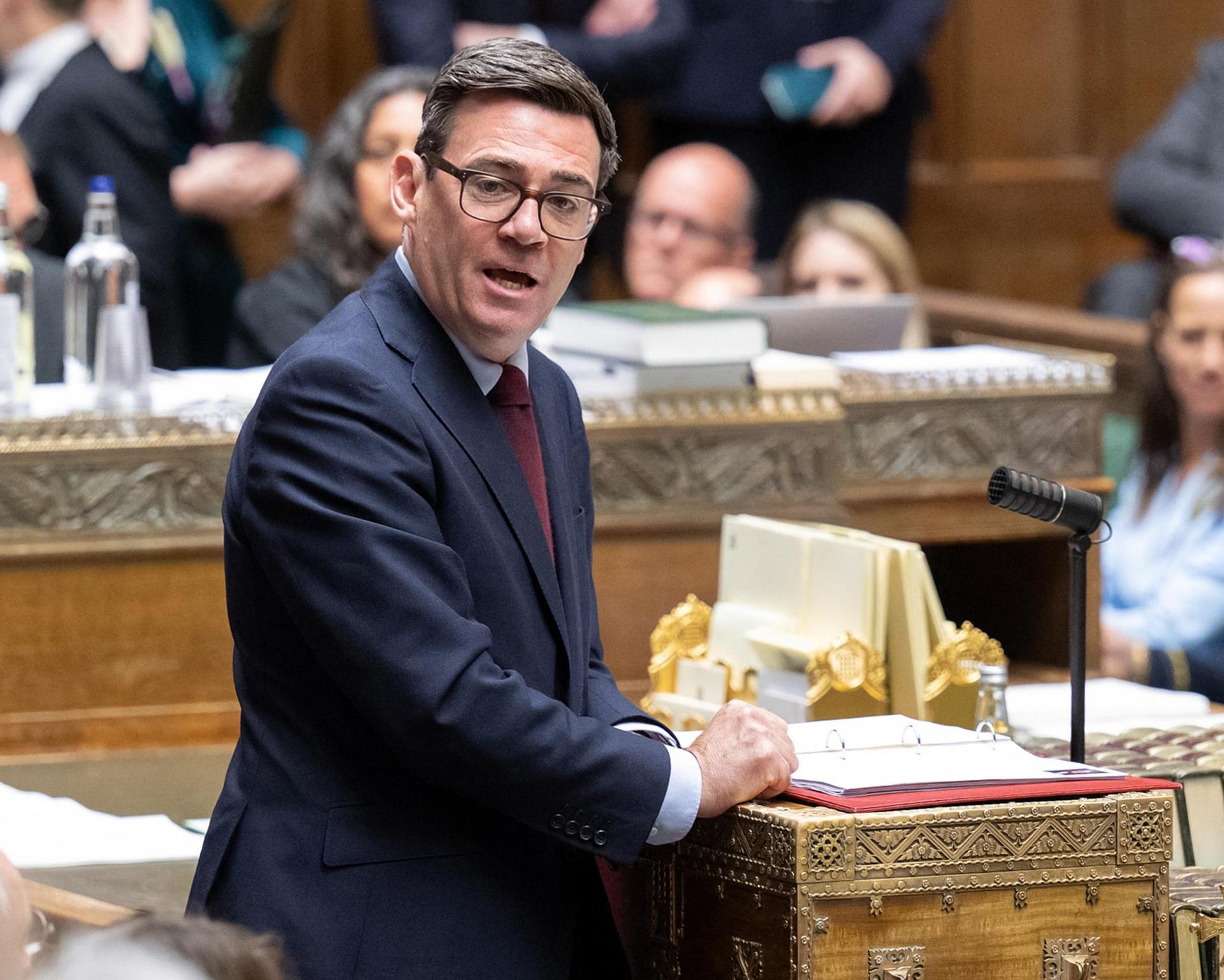
In the UK, Prime Minister Andy Burnham defended the decision in Parliament, saying Britain would not stand by as the “horrific suffering” of Palestinians continues to grow while the prospect of a two-state solution “comes under attack.”
Rabbi warns, Miliband rejects
Chief Rabbi Sir Ephraim Mirvis called the UK sanctions a “dark day for British Jews” and said they could embolden people who “use hatred as a weapon against Jews”.
Miliband rejected that warning, telling the BBC, “Yes, I am saying I don’t agree with the chief rabbi, somebody over whom I have great respect.”
The Saudi Gazette reported that Miliband said he was disappointed by Israel's response to the UK’s decision to ban trade with Israeli settlements in the occupied West Bank.
The Guardian added that Miliband emphasised ministers can confront the actions of Benjamin Netanyahu’s government while also fighting antisemitism, and it quoted him saying, “anyone who holds British Jews, or indeed Jews around the world, responsible for the actions of the Israeli government is engaging in antisemitism, pure and simple.”
Backlash and next steps
Israel’s countermeasures included ordering the closure of the British consulate in Jerusalem and banning 12 British MPs and activists from entering Israel, while the UK said the sanctions were “carefully judged” and “targeted steps” not aimed at the Israeli people.
“The measures would be passed within six to nine months, Miliband added”
The Guardian reported that Miliband accepted the closure of the British consulate in Jerusalem would be “damaging” but said the government had “weighed up the costs and benefits in advance if this”.
The CBS News account said the U.K. government announced it was joining 11 other nations with plans to sanction trade with Israeli settlements in the occupied West Bank, and it quoted Miliband saying the measures would be passed within six to nine months.
The AOL.co.uk piece said a YouGov poll found 50% of British voters supported a ban on trade with West Bank settlements while only 16% were opposed, as Labour officials hoped the announcement could help them make up ground with progressive and Muslim voters.A