Full story
Damietta drone fire
Egypt confirmed that a drone strike caused a fire aboard two vessels at Damietta port, after the fires were brought under control and preliminary investigations were completed.
“no one was injured in the fires”
Egypt’s oil ministry said on Wednesday that “no one was injured in the fires,” and the Egyptian Cabinet said on Thursday morning that a drone caused the fire on board the two vessels after a July 29 incident.

The cabinet said the authorities would continue investigating to determine the circumstances of the incident and take measures “to protect Egypt’s interests and national security,” while adding that no party had claimed responsibility.
Egyptian President Abdel Fattah el-Sisi warned on Thursday of the “danger of regional escalation” following the attack, as the incident unfolded at the Mediterranean port of Damietta.
Iran’s Foreign Minister Abbas Araghchi distanced Iran from the incident, calling Egypt “an important friend” whose “security is of utmost importance to us,” and warning of Israeli “false-flag operations.”
Competing accounts and denials
While Egypt’s cabinet confirmed a drone caused the July 29 fire, the initial reporting around the cause varied, with some accounts disputed before the official confirmation.
The Egyptian Cabinet said, “preliminary investigations by the relevant authorities found that the incident was caused by a drone,” and it stated that no party had claimed responsibility for the incident.
Houthi-run Foreign Ministry messaging denied any link to the attack, saying, “There is no truth to the rumors” of Houthi involvement, and adding that the Houthis only target Saudi Arabia.
The Houthi statement also asserted that “Navigation is safe in the Red Sea, and there is no justification for any concerns,” as it described the group’s position as “clear, declared, and explicit.”
In parallel, Egypt’s oil ministry said the situation was handled immediately “in accordance with emergency and rapid response plans,” and the cabinet said authorities would continue investigations.
Energy security and next steps
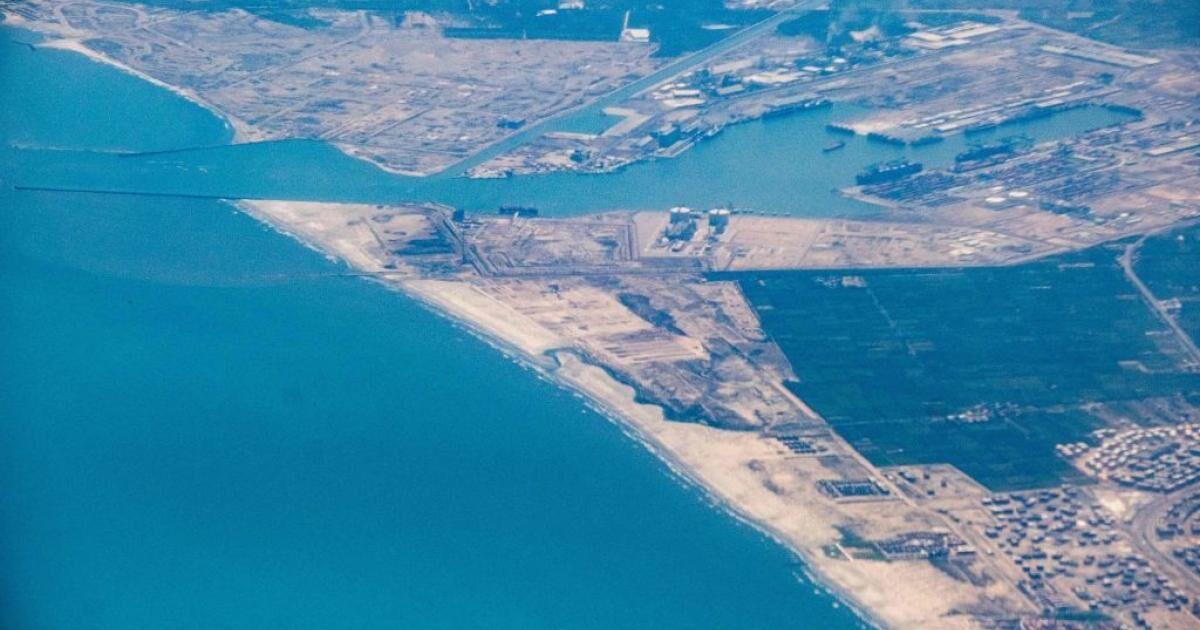
The Damietta incident was tied to Egypt’s LNG infrastructure and the wider regional contest over energy routes, with the port described as a liquefied natural gas hub and a Mediterranean node near the Suez Canal.
“The situation was immediately dealt with in accordance with the approved emergency and rapid response plans”
Egypt’s Ministry of Petroleum and Mineral Resources said the fires broke out on a regasification ship and a storage vessel, and it reported that the “situation was immediately dealt with in accordance with the approved emergency and rapid response plans.”
A separate report said Egypt redirected an LNG cargo due next week to the port of Aqaba in Jordan, with a government official telling Bloomberg’s Al-Shorouk that Egypt would for 35 days receive about 100 million cubic feet of gas via the Jordan line.
That same account said Energos Winter went out of service after the fire, and it described the move as compensating for part of the shortfall resulting from the fire on the regasification vessel at Damietta port.
The Bloomberg-linked report added that Egypt planned to import LNG shipments worth $10.7 billion in the current financial year, and it framed the Damietta incident as underscoring the importance of keeping the regasification system ready for energy security.