Full story
Nolan’s Odyssey Sparks Debate
Christopher Nolan’s adaptation of Homer’s The Odyssey has triggered a wide-ranging argument over how faithfully it follows the ancient epic, with political philosopher Alex Priou saying on the Rufo & Lomez podcast that the film “shoehorned the core of it into modern secular morality.”
“An Odyssey for the Therapeutic Age The political philosopher Alex Priou argues that the film is more of an ideologically-motivated appropriation than a faithful adaptation”
Priou argued that the movie is “fundamentally a progressive movie,” describing it as starting “from the beginning of the Greeks” while offering “nods to Christianity” before moving toward secularization.
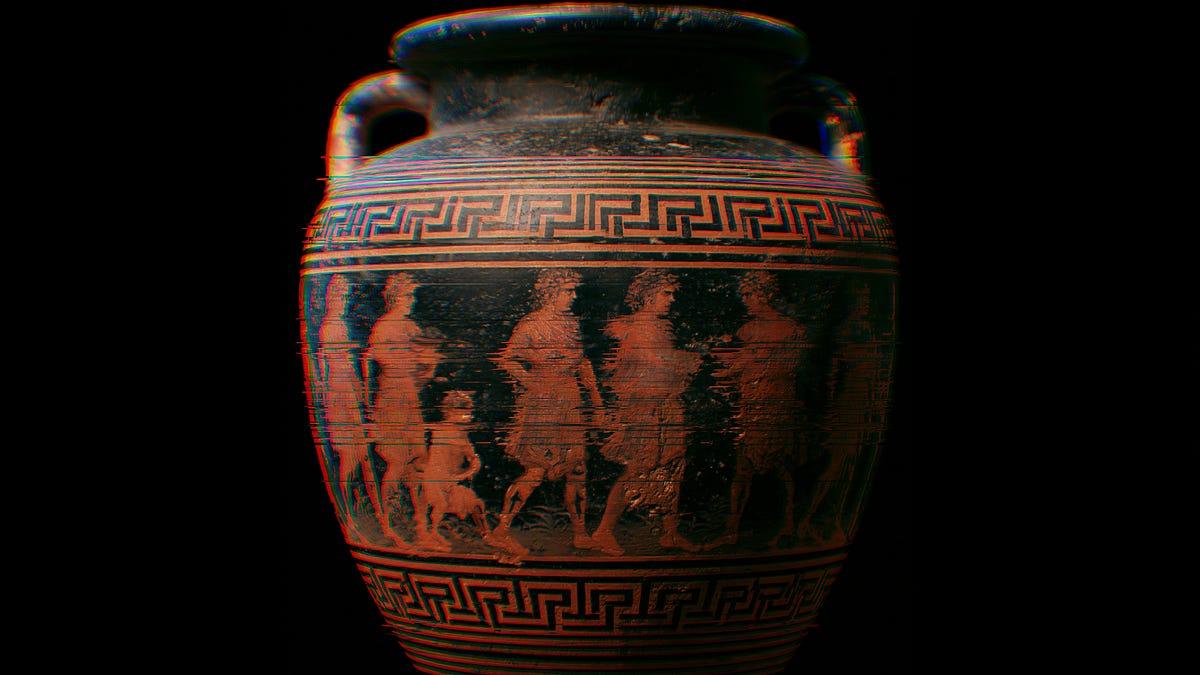
In the same discussion, Priou said the film’s approach felt like a “Trojan horse,” and he pointed to the movie’s depiction of Odysseus sailing “into the unknown West” as a commentary that “misappropriates the West’s roots.”
Separately, Elon Musk publicly criticized Nolan’s Odyssey and said his AI tool Grok Imagine would produce a “historically accurate” film version by the end of the year, claiming it could reconstruct the ancient Aegean world “with absolute fidelity” to Homer’s text.
Musk’s challenge to Nolan’s adaptation also drew attention to the question of whether AI can replace “visionary human filmmaking,” given that The Odyssey is described as a mythological poem filled with “Greek gods” and “legendary monsters.”
Musk vs Casting and Critics
Elon Musk’s hostility toward Christopher Nolan’s Odyssey has included criticism of casting choices, with L’essentiel saying Musk denounced Lupita Nyong'o’s casting as Helen of Troy as “absolutely scandalous” and said it “directly contradicts millennia-old writings.”
L’essentiel also said criticisms intensified after the release of the first trailer, with some defenders comparing Agamemnon’s helmet to Batman’s and describing costumes and props as anachronistic.
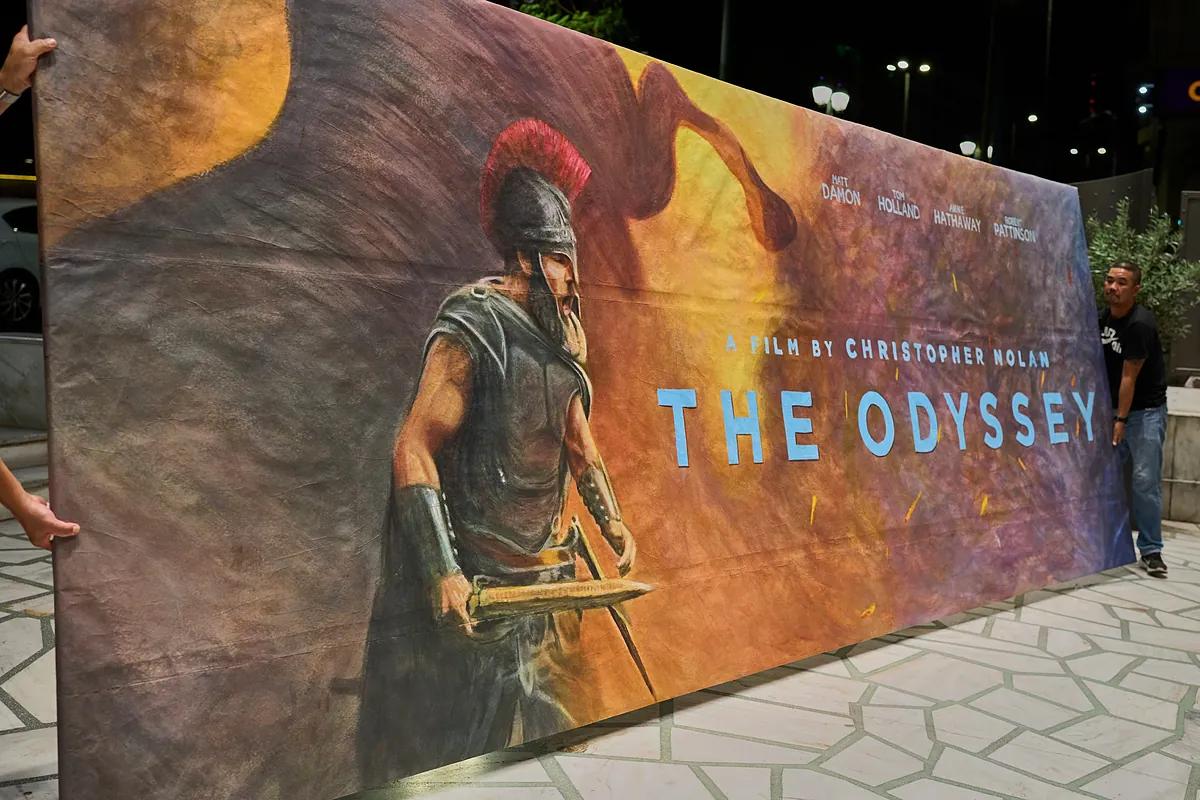
Konbini framed Musk’s announcement as a challenge to Nolan, quoting Musk’s plan for Grok Imagine to produce, by the end of the year, a feature film of The Odyssey “historically accurate and faithful to the art of Homer.”
Konbini added that The Odyssey is “a mythological poem populated by Cyclopes, sirens, witches who turn sailors into pigs, gods who spend their time meddling in human affairs,” and it questioned whether “historical fidelity” is “open to interpretation.”
Box Office, Luck, and Stakes
While the debate over fidelity continues, L’essentiel reported that Odyssey was “widely praised by critics in the United States, Europe, and Switzerland,” and it said the film had “$124.5 million (€109.37 million) in receipts during its first weekend” in the United States.
“If Christopher Nolan thought his journey was over after a triumphant return to the box office, he apparently still has to face an even fiercer monster than his Cyclops to confront… Elon Musk”
The same article said that in France it was “already approaching two million admissions just one week after its release,” placing the film’s commercial momentum alongside the ongoing arguments about how it adapts Homer.
In a separate reflection, Religión Digital described the film’s Odysseus as “worn down by the trauma of the Trojan War,” and it said the adaptation maintains “a deep respect for the essence of the writing attributed to Homer by tradition.”
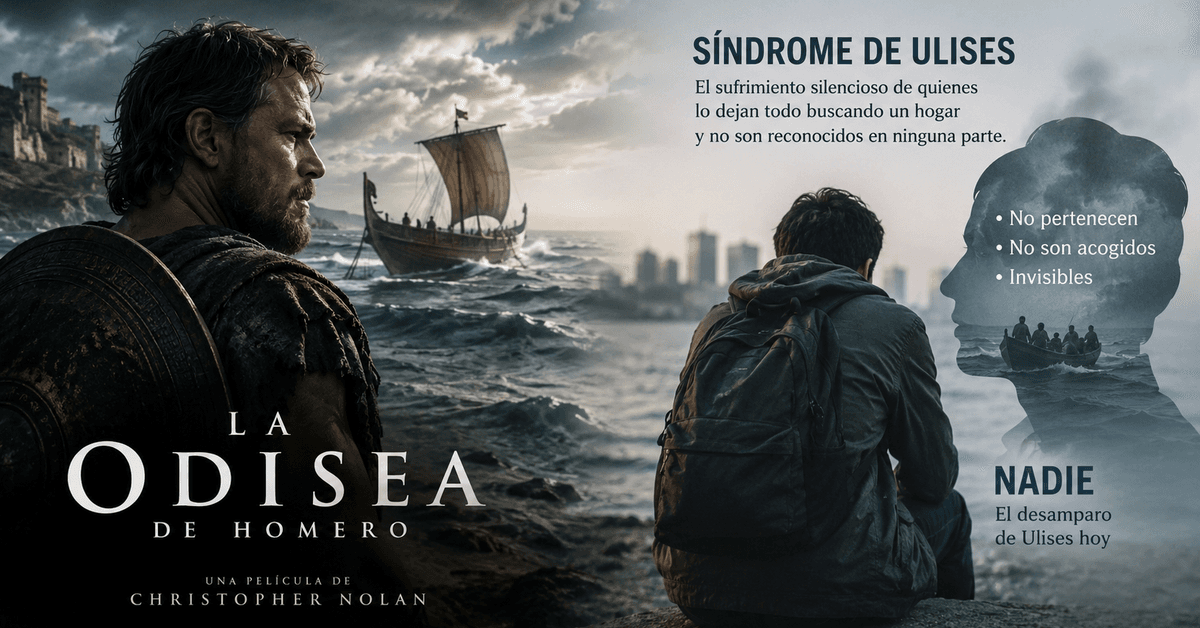
Religión Digital also connected the story to the “Odysseus Syndrome” coined by psychiatrist Joseba Achotegui, describing it as “the silent suffering thousands of people without papers endure when forced to leave their homeland.”
El Mundo’s commentary on the film’s reception emphasized how viewers debate what Nolan has “added, removed, or transformed to appropriate the poem,” while also arguing that Ulises remains interesting because he is “astute and vain, resilient and deceitful.”


