Financeupdated 57m ago3 min read
Elon Musk Says Tesla and SpaceX Form Independent Committees to Study Merger
This article is an automated aggregation of coverage from news outlets. Our editorials offer in-depth analysis curated by the NewsCord team.
Independent director committees formed at Tesla and SpaceX to study a potential merger. Deal could value the combined company at about $3.5–3.6 trillion.
Save coverage image
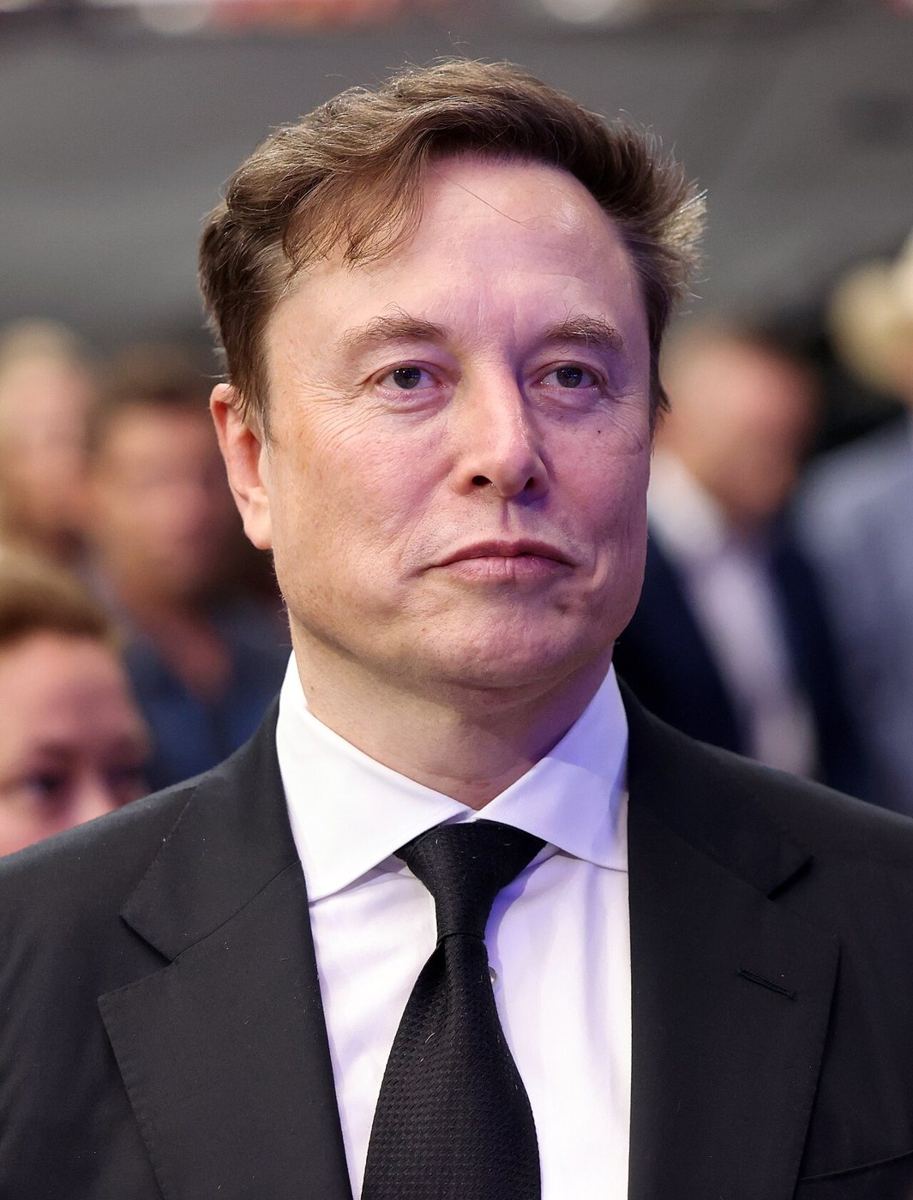
Explore source coverage 6 source types
Directory totals describe our source library, not outlets checked for this story.
20 outlets told this the same way.
Outlets did split on Dennis Crowley Says Infillion Acquisition Paid Equity Holders Exactly $0 →
Merger talks advance
Elon Musk said SpaceX and Tesla have formed special committees to discuss a possible merger, and he told investors that the committees consist of independent directors. Musk also said he sees "a lot of merit to combining the companies," while he added that he cannot take part because he is a "conflicted party." Musk described the merger as far from assured, saying "I think some people out there assume that a SpaceX and Tesla merger is a certainty," and he said the Tesla side would need "a 50% vote of all shares, not just those who vote, but of all shareholders."
Wall Street analysts tied the deal to a valuation near $3.6 trillion, and they said the joint market cap would be approximately US$3.6 trillion, with SpaceX valued at US$2.098 trillion and Tesla at US$1.526 trillion as of October 21. Musk’s committees were set up after October 20, when he confirmed that both companies had established independent committees comprised of board members to review the feasibility of the merger.
Price and voting fight
Wall Street split on the premium Tesla shareholders would receive, with predictions ranging from little or none to 35% for Tesla shareholders swapping into a stock of SpaceX that Musk controls. Akash Sriram wrote that the premium debate runs through a deal where predictions on the premium Tesla shareholders would get to swap into a stock of SpaceX that Elon Musk controls run from little or none to 35%. Justus Parmar said the merger would be "very strategic" because both companies are rapidly transitioning to artificial intelligence and autonomous systems, and he argued it would avoid redundancies and reduce overhead, legal costs and administrative burdens.
Gene Munster said on X that "what Tesla is doing SpaceX needs and what SpaceX is doing Tesla needs," framing the combination as a shared vertical AI vision. The Reuters account emphasized that Tesla needs a majority of shares for approval, and it warned that unexpressed votes and broker abstentions could jeopardize approval.
Financial stakes and obstacles
SpaceX’s latest results provided financial momentum for the talks, with CNBC saying SpaceX reported third-quarter revenue of $14.6 billion, up 161%, and net income of $4.4 billion after a net loss of $1.05 billion in the same period a year earlier. CNBC also said SpaceX’s chief financial officer, Bret Johnsen, pinned the results on recurring revenue from Starlink and significant expansion of its Super Intelligence infrastructure, with SI revenue soaring ninefold to $7.56 billion from $813 million in the same quarter last year. Bloomberg Línea laid out a shareholder hurdle, saying Musk indicated Tesla would need the backing of more than 50% of the total voting shares, not just a majority of votes cast, and it cited an xAI vote that received 54% of votes cast but only 38% of total voting power.
Bloomberg Línea also flagged capital needs for artificial intelligence as a main risk, with Barclays projecting positive free cash flow of US$12 billion for Tesla in 2030 versus a deficit of US$17 billion for SpaceX. The obstacles extended beyond capital and voting, as the Vietnam.vn account said the merger faces many obstacles and noted that Tesla would need the consent of a majority of the total number of shares issued, not just the number of votes cast.