Iran05 June, 20263 min read
Erdogan Pressured Trump to Cancel U.S.-Israeli Plan to Arm Kurdish Militias Against Iran
Erdogan pressured Trump to cancel a U.S.-Israeli plan to arm Kurdish groups against Iran. The plan aimed to seize western Iran border areas by arming Iranian Kurdish militias.

Ynetnews was read line by line by the Watchdog: 2.6. See the score →
Kurdish proxy plan
Israeli and U.S. efforts to arm Kurdish militias for a ground operation against Iran were described as having been captured from Hamas in the Gaza Strip and Hezbollah in Lebanon, with the plan involving the U.S. Central Intelligence Agency before it was canceled by U.S. President Donald Trump after pressure from Turkish President Recep Tayyip Erdogan.
Ynetnews said that at the end of March, Daily Sabah reported Ankara had thwarted an alleged Israeli plan to recruit Kurdish forces as a ground force in the war against Iran, and that Israel, in cooperation with the United States, sought to use Kurdish organizations in Iraq and inside Iran as a proxy force following the opening strike of Operation Roaring Lion in late February.
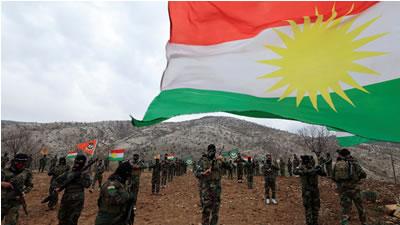
The Türkiye Today account quoted former Israeli military intelligence chief Tamir Hayman, who said a U.S.-Israeli plan aimed at toppling Iran’s leadership was abandoned after Erdogan convinced Trump to cancel a key operation involving Kurdish armed groups.
Hayman also said the broader plan depended on the success of a Kurdish operation intended as the opening stage, and he warned that “I didn't believe that we can topple a regime through aerial campaign,” while arguing military action could damage Iran’s nuclear program but was unlikely by itself to bring about regime change.
Talks, targets, and warnings
Euronews, citing Reuters, said Israel planned to assist Iranian Kurdish paramilitary groups by bombing parts of western Iran to exploit the dispute with Iran and bring towns near the Iranian border under its control, with Reuters reporting that Iranian Kurdish insurgents consulted the United States about how and whether to carry out an attack against Iran’s security forces. Euronews also reported that the initial objective of the Kurdish groups would be to seize Iranian border areas, naming Oshnavieh and Piranshahr as first targets, and it said thousands of armed fighters were gathering on the Iraqi side of the border with Iran to prepare for a possible attack within the next week.
In the same Reuters-framed reporting, an Israeli analyst named Jonathan Spyer said Israel is trying to “do away with” the Iranian regime by any means available, while Dani Sitrinovich said the idea of a revolt in Iran does not enjoy broad support among Iraqi and Iranian Kurds. Euronews further said Iran warned the Kurdistan Region of Iraq that if hostile forces were deployed in border areas, Tehran would retaliate, and it added that Iranian Kurds were providing targeting information for airstrikes.

Aftermath and stakes
The BBC reported that international media outlets described U.S. discussions with influential figures in the Kurdistan Region of Iraq and some Kurdish groups opposed to the Islamic Republic about potential scenarios in the event of broader clashes in Iran, including discussions about the possible role of the CIA and the possibility of supporting opponents of the Islamic Republic. In that BBC account, Caroline Leavitt said at a press briefing on Wednesday (13 Esfand) that “Any report that the President has agreed to such a plan is completely false and should not be published,” while Reuters was cited as reporting that Kurdish armed groups discussed with the United States whether ground operations could be planned to attack Iran via Iraqi Kurdistan.
“Any report that the President has agreed to such a plan is completely false and should not be published.”
DW’s report added that Israeli media reports said Mossad, in collaboration with the U.S. intelligence agency CIA, carried out a plan to arm Kurdish paramilitary forces with weapons seized in clashes with Hamas and Hezbollah, and it said Kurdish forces would receive financial aid and vehicles and be equipped with light weapons, anti-tank launchers, grenades, and mortars. DW also said the plan was described as being halted after leaks, lobbying including Erdogan, and doubts within Kurdish forces themselves, and it warned that the war’s regional dynamics were still being shaped by Tehran’s actions and by the status of the ceasefire described as “fragile.”