.jpg&w=3840&q=75)
Esmail Baghaei Says Iran’s Strikes on U.S. Assets Are Lawful Self-Defense
Key Takeaways
- Iran's strikes on U.S. assets were lawful self-defense.
- The actions are defensive, not a new escalation or military confrontation.
- Iran says U.S. attacks violate international law.
Baghaei rejects “attack”
Iranian Foreign Ministry spokesperson Esmail Baghaei said the situation in the Gulf is not a “military confrontation” but “the continuation of a blatant and unprovoked act of aggression initiated on February 28 by the United States and Israel.”
Baghaei argued that “Iran does not ‘attack,’” and said Iran’s strikes on U.S. military bases and assets in the southern Persian Gulf are “a legitimate and lawful exercise of its inherent right to self-defense under international law.”

The UN Secretary-General Antonio Guterres expressed “deep concern” over renewed military confrontations in the Gulf, warning that a return to full-scale hostilities would have “catastrophic consequences” for the people of the region, international peace and security, and the global economy.
In parallel, the United States launched a fresh round of military strikes against Iran on Sunday, with U.S. Central Command saying the operation was intended to “further degrade Tehran's ability to target civilian mariners and commercial vessels transiting the Strait of Hormuz.”
Talks hinge on Lebanon
Talks between Iran and the United States appeared to be on the verge of collapse after Tasnim News Agency said the Islamic Republic suspended exchanging messages with Washington due to the ongoing war between Israel and Hezbollah in Lebanon.
Tasnim quoted that “given the continued crimes of the Zionist regime in Lebanon... the Iranian negotiating delegation suspended dialogue and the exchange of messages through intermediaries” with Washington, and said “no talks will be conducted” until Iran and the Resistance Front agree on ending the war in Gaza and Lebanon.

Iranian Foreign Ministry spokesman Ismail Bagheri said “We confirm that the ceasefire in Lebanon is an essential condition for any agreement aimed at ending the war,” while Foreign Minister Abbas Araghchi wrote that “The ceasefire between Iran and the United States is, without any doubt, a comprehensive ceasefire across all fronts, including Lebanon.”
The France 24 report said Trump announced that talks with Iran are “continuing at a fast pace,” after Tehran appeared on the brink of collapse with the Islamic Revolutionary Guard Corps signaling it would “open new fronts” unless Israel halts its military operations in Lebanon.
Diplomacy and pressure
In Tehran, Iranian Foreign Ministry spokesman Ismail Bagheri accused the United States of coordinating the attacks with Israel, saying the U.S. “coordinates fully, and cooperates with the Zionist regime in offensive and defensive operations.”
Bagheri also said “ending the war in Lebanon was part of the ceasefire agreement,” and that the diplomatic track is affected when that clause is violated, while he stressed that Iran is committed to the ceasefire but “the other party is the one that breached it.”
The Anadolu Ajansı report said Iran’s Foreign Ministry called the recent American attacks “a clear violation of international law,” and said Tehran responded “within its legitimate right to self-defense” to what it described as American military bases and facilities in the region.
Anadolu Ajansı further reported that the United States imposed a blockade on Iranian ports since 13 April, and that Iran responded by restricting the passage of ships through the strait except in coordination with it, amid concerns about the possible collapse of the ceasefire and the resumption of the war.
More on Iran

United States Launches Another Wave of Strikes on Iran, Hitting Qeshm Island and Farur
10 sources compared
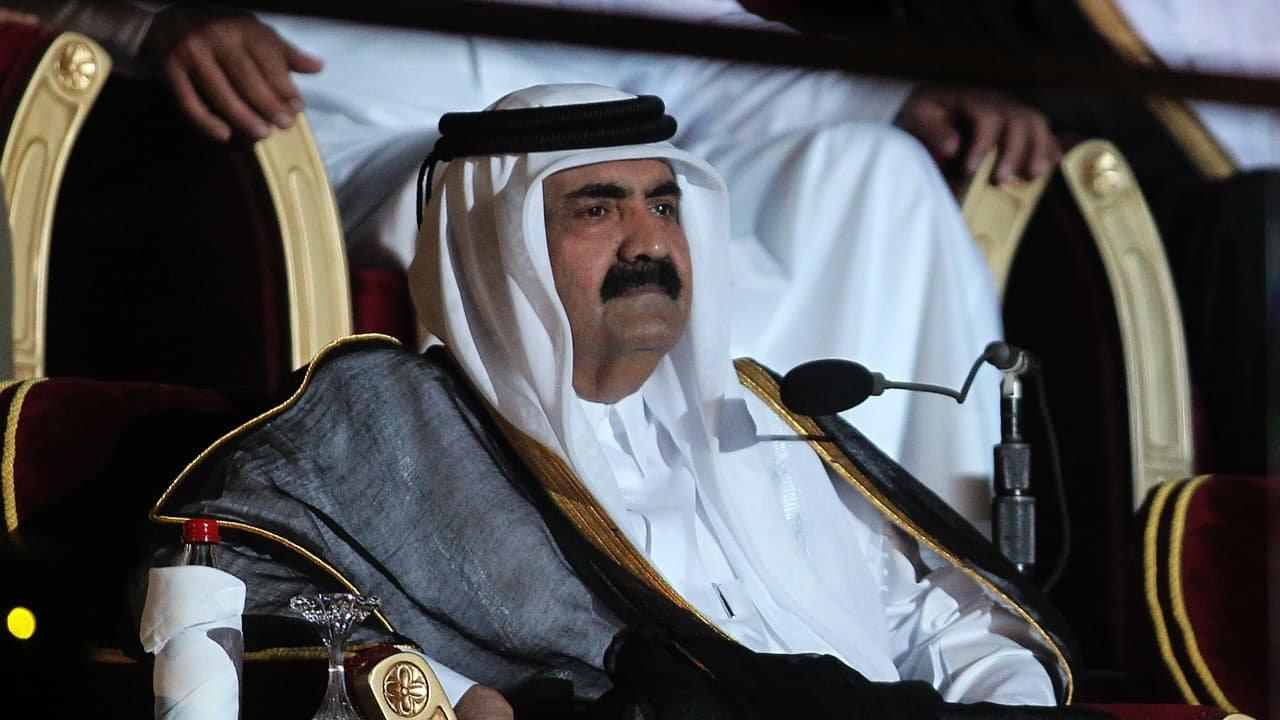
Former Emir of Qatar Sheikh Hamad Bin Khalifa Al Thani Dies At 74
26 sources compared
United States Launches Another Round Of Strikes On Iran After IRGC Attacks Commercial Vessel
13 sources compared
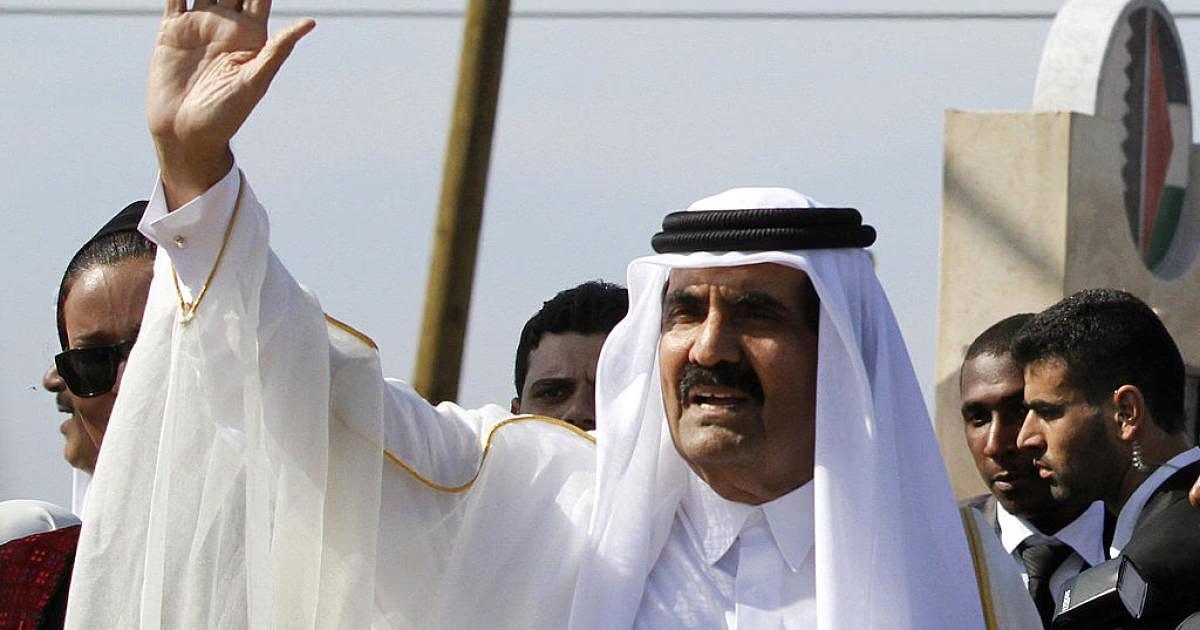
Qatar Holds Funeral Prayers for Former Emir Sheikh Hamad bin Khalifa Al Thani in Doha
21 sources compared