Iran-Israel28 January, 20262 min read
EU Labels Iran's Islamic Revolutionary Guard Corps a Terrorist Organization Over Deadly Crackdown on Protesters
EU foreign ministers unanimously designated Iran’s Islamic Revolutionary Guard Corps as a terrorist organization Designation followed IRGC‑led violent crackdown on nationwide protests that rights groups say killed thousands

76 outlets told this the same way.
Outlets did split on U.S. Intercepts Iran Message Activating Sleeper Cells After U.S.-Israel Strike Kills Khamenei →
EU designates IRGC terrorist
On 29 January 2026, EU foreign ministers agreed politically to designate Iran’s Islamic Revolutionary Guard Corps (IRGC) as a terrorist organisation and to impose targeted sanctions. EU foreign policy chief Kaja Kallas and others framed the decision as a response to a deadly crackdown on nationwide protests.
“Kaja Kallas said the repression ‘cannot go unanswered,’ equating the listing with groups such as al‑Qaeda, Hamas and IS.”
EU leaders said the listing put the IRGC on the same footing as groups such as al-Qaeda, ISIS and Hamas and that it was driven by outrage over reported mass killings and rights abuses during the unrest. EU officials signalled the measure will trigger asset freezes, travel bans and other restrictions once formal procedures are completed, while emphasising that many IRGC members had already been subject to sanctions.
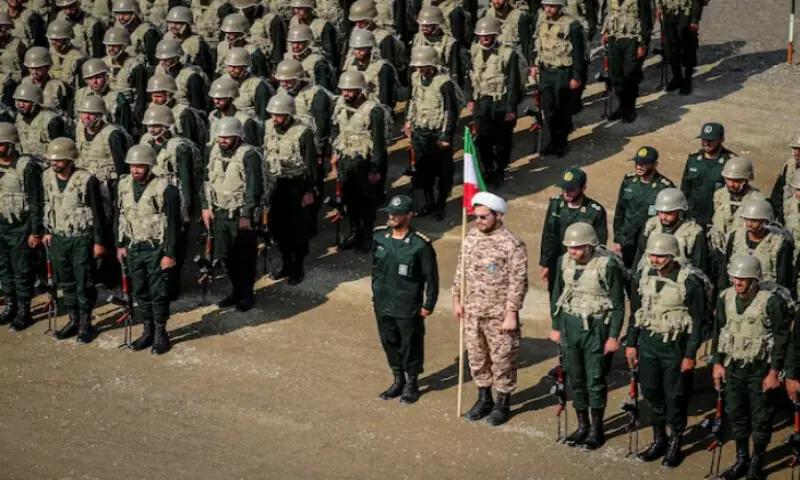
EU sanctions targeting Iran officials
Reported sanctions include travel bans, asset freezes and blacklisting of senior officials and entities linked to the crackdown, though reports vary on the exact scope. Some outlets said the EU sanctioned 15 individuals and six organisations for human rights violations tied to the unrest, while others described broader measures covering about 21 people and entities or additional listings of military-related firms and export bans on drone and missile components. Sanctioned names reported across outlets included Iran's interior minister and the prosecutor general, as well as senior IRGC commanders and bodies linked to internet censorship and disinformation operations.
Human cost reporting
Reporting on the human cost of the crackdown varies sharply. Rights groups cited by multiple outlets put the toll in the thousands, with figures circulated including HRANA's counts (for example 6,479, 6,373 and 6,301 in different reports) and warnings by some groups that casualties could be far higher, while Iranian authorities provided much lower official tolls. Journalists and monitors repeatedly flagged an extended internet blackout and restrictions on medical staff as factors that limit independent verification of deaths and arrests.
“Human Rights Activists News Agency (U.S.-based HRANA) says 6,479 people have died in recent weeks (including 6,092 protesters, 214 government-affiliated forces, 118 children and 55 non-protesting civilians) and more than 47,200 arrests; the AP could not independently verify those figures.”
Reactions to IRGC designation
The designation sharpened regional and global tensions. Several outlets reported U.S. naval movements to the Gulf. Iran threatened retaliation and announced drills in the Strait of Hormuz.
Analysts warned about potential effects on energy markets. Western reporting often framed the move as part of a broader containment strategy.

This framing aligned with U.S., Canadian and Australian proscription of the IRGC. EU officials stressed preserving diplomatic channels even as they increased pressure on Tehran.
Reactions to IRGC designation
Analysts and commentators emphasized the designation's symbolic and political weight while warning about its limited practical effects and divisions within EU member states. Some outlets, including Israeli and exile-oriented sources, hailed the move as a historic or overdue step to constrain the IRGC's global activities, while EU ministries flagged risks to detained nationals and potential diplomatic blowback before joining the consensus. Overall coverage ranged from applause for a tougher accountability stance to cautious commentary about enforcement, legal thresholds, and unintended consequences.
“Israel’s foreign minister Gideon Sa’ar called the decision ‘historic,’ and Israeli officials said the listing will make it easier to prosecute IRGC members.”