Europe · 11 August, 2026 · 2 min read
EU PPWR Takes Effect August 12, 2026, Limits PFAS “Forever Chemicals” in Food Packaging
EU's PPWR takes effect August 12, 2026, tightening PFAS limits in food-contact packaging. New rules require all packaging entering EU market to meet stricter waste and recyclability standards.
Regulation implementation burden on small firms.
12 of 13 outlets skipped it: dfR assigns A/B/C design scores for recyclability.
15outlets compared
Same story, two versions
tap a side to read it in full
Deutsche Welle
“Many small businesses and online traders believe the additional cost and red tape are too cumbersome.”Read the original ↗
Reuters
“non-compliant products should not be immediately removed and member states should issue warnings”Read the original ↗
Deutsche Welle spotlights small-firm red-tape; Reuters and Innovation News Network stress pragmatic rollout
PFAS limits begin Aug 12
New EU packaging rules under the Packaging and Packaging Waste Regulation (PPWR) take effect on 12 August 2026, with the first measures including limits on PFAS “forever chemicals” in food-contact packaging. Reuters said the regulations “set EU-wide limits on PFAS, or "forever chemicals", in food-contact packaging” and also set targets to cut the bloc’s waste, especially of oil-derived plastics.R
The European Commission’s Directorate-General for Communication said the rules “require packaging to be reusable or recoverable, meaning it can be used again or turned into something else after use.” The rules also set a path toward recyclability, with “all packaging must be recyclable by 2030,” and include restrictions on certain single-use packaging formats from 2030 where more sustainable alternatives are available.
Waste targets and labels
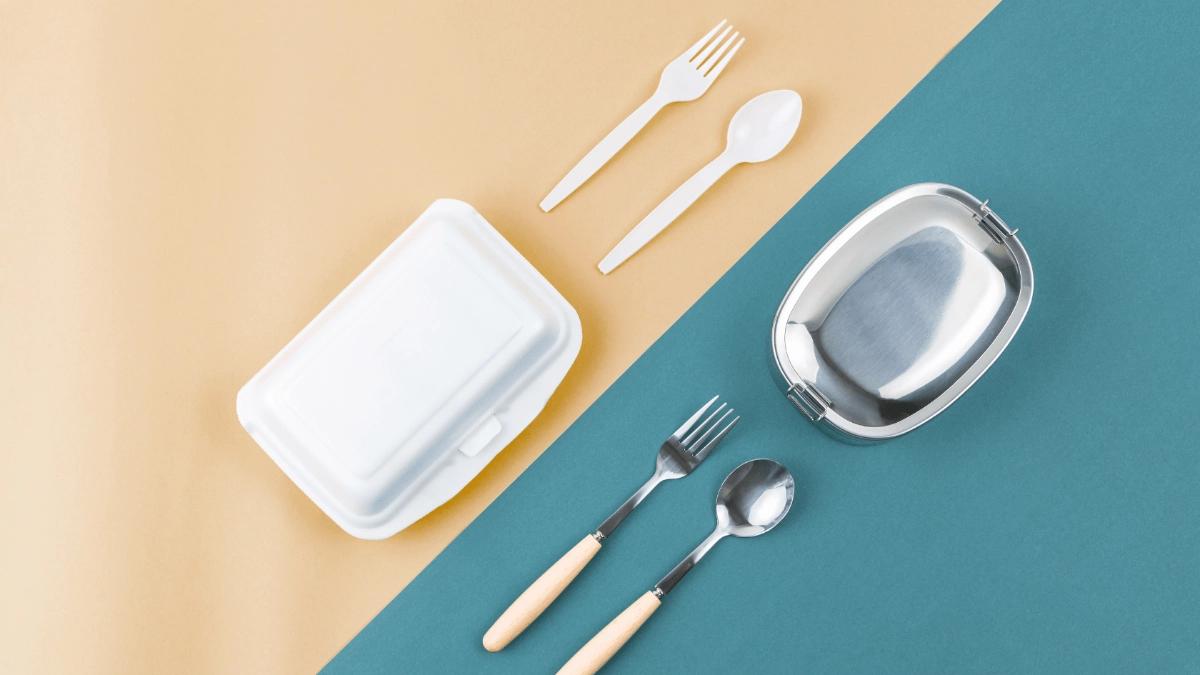
Reuters reported that the law’s most significant measures will not be applied until 2030, while 2028 brings a “new EU-wide labelling system” for waste-sorting to improve efficiency. RThe European Commission said the measures will make packaging “clearly labelled: clear labels and colours make it easier to sort trash for recycling,” including showing what packaging is made of and where to bin it.
Envirotec Magazine said the PPWR requires member states to reduce packaging waste generated per capita by “at least 5% by 2030, 10% by 2035 and 15% by 2040, compared with 2018 levels.” Reuters also said the EU aims to cut waste by “5% by 2030 and 15% by 2040 compared with 2018 levels,” and that packaging must be recyclable in an “economically viable way.”R
Compliance pressure for exporters
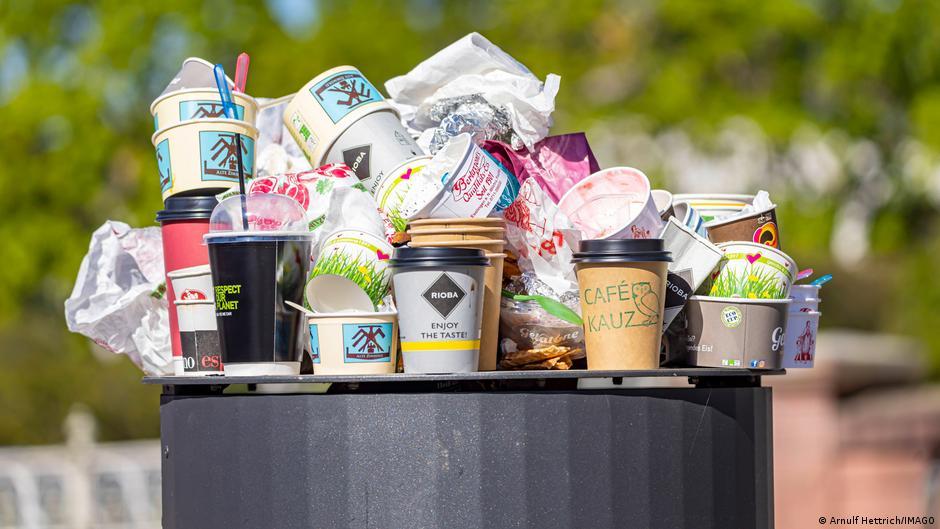
The PPWR is designed to apply directly across EU member states because it is a regulation, and Vinetur said it “applies directly in all 27 member states.” Vinetur reported that for drinks exporters the law ties access to the EU market to packaging conditions including “limits on substances of concern, packaging minimization, recyclability, recycled plastic content, reuse, labeling, technical documentation, traceability and extended producer responsibility fees.”
Reuters said manufacturers must provide information that allows authorities to trace packaging back to its source if concerns arise, and it also reported that “non-compliant products should not be immediately removed” while member states issue warnings rather than penalties. RVinetur added that final distributors such as stores, bars, restaurants and online sellers will, in principle, have to make “at least 10% of covered beverages available in reusable packaging by 2030,” while also noting that most wine categories and spirits under customs code NC 2208 are expressly excluded from that specific 10% beverage reuse target.