Russiaupdated 1h ago2 min read
EU Says Russia Has 40 Icebreakers As It Builds Arctic Maritime Security Strategy
This article is an automated aggregation of coverage from news outlets. Our editorials offer in-depth analysis curated by the NewsCord team.
EU unveils Arctic strategy to expand icebreaker capacity and strengthen maritime security. Russia reportedly has about 40 icebreakers; the EU's fleet is around 10.
10 outlets told this the same way.
Outlets did split on Russian Disinformation Network Matrioshka Amplifies French Riots, Alto Intelligence Tracks Belfast Surge →
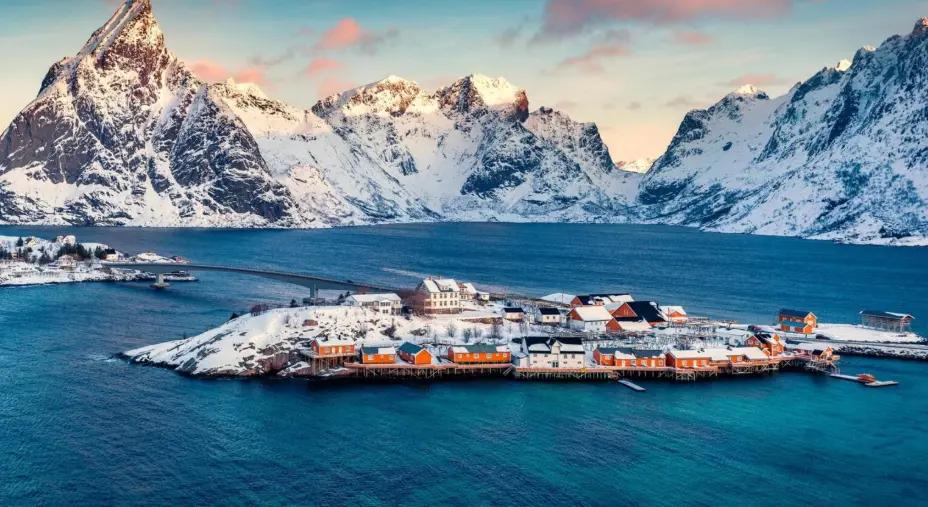
Icebreakers and Arctic leverage
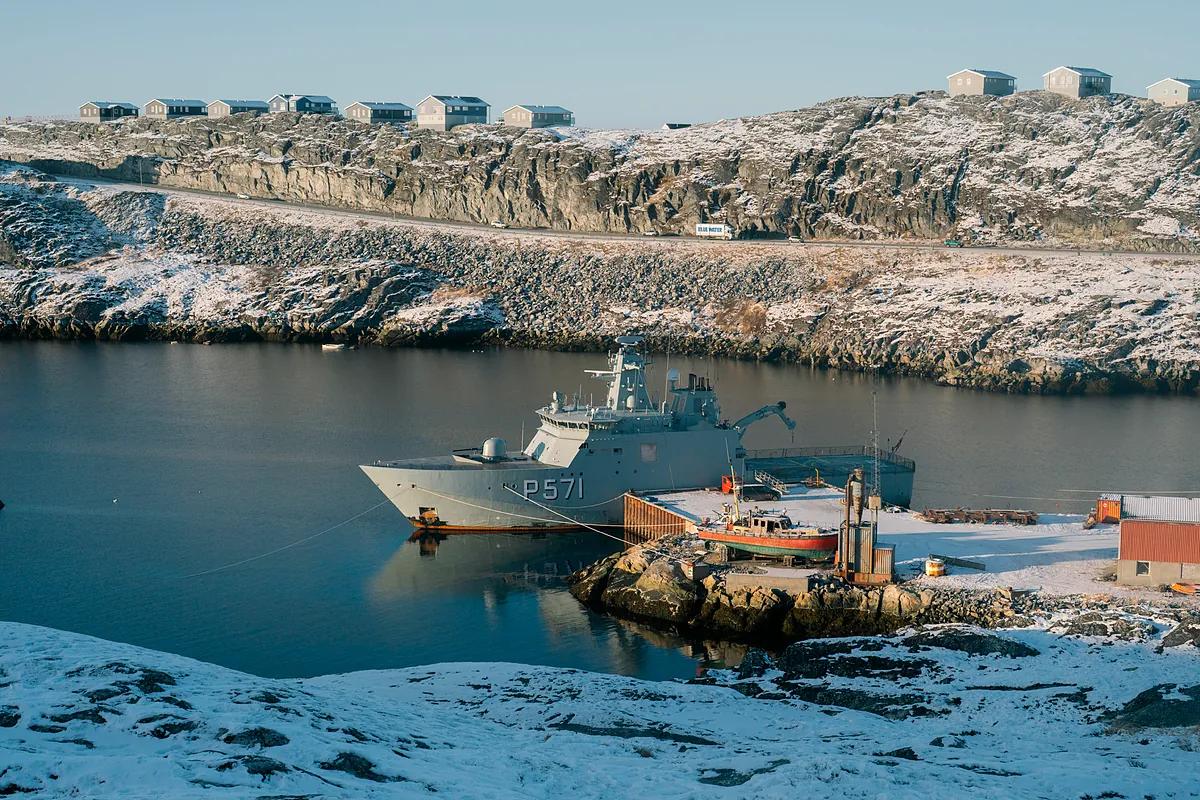
The European Commission said it has around ten icebreakers among EU member states while Russia has about 40, and it added that some of the Russian vessels are designed for partially different environments. Jozef Síkela told reporters in Strasbourg that the EU cannot provide an exact figure of how many icebreakers are prepared to operate in the Arctic, and he said the EU needs a complete view of its current capabilities. Kaja Kallas insisted during the same Strasbourg press conference that the Arctic runs the risk of becoming a new security scenario once the war in Ukraine ends.
Ursula von der Leyen framed the Arctic as a geopolitical collision point, saying, “The Arctic is one place where the tectonic plates of geopolitics are colliding.” Kaja Kallas also said, “In the Arctic, icebreakers are the measure of power,” as the EU moved to put maritime security and icebreakers at the center of its response.
Cables, surveillance, and threats
The EU strategy described a Maritime Security Hub that would strengthen monitoring, data exchange, and coordinated surveillance across the Arctic, with particular attention to protecting submarine cables and other critical assets. Kaja Kallas said Russia had reopened Soviet-era bases and was testing new weapons in the region, and she linked the risk to “Drone incursions, GPS jamming, and the sabotage of undersea cables.” Ursula von der Leyen said, “When we see Russia rebuilding its Arctic military footprint, pursuing hybrid strategies against the neighbors, and reshaping the security of the Arctic, it impacts the European Union as a whole.”
The EU also planned to expand the use of the EU’s Copernicus and Galileo satellite systems for stronger monitoring, and it proposed an Arctic cable hub to help monitor, protect and repair subsea infrastructure. The strategy’s cable plans centered on a secure submarine cable linking Greenland directly to Europe, with a longer-term ambition for a pan-Arctic connection potentially extending towards Asia.
What comes next for Europe
The EU strategy set a direction rather than a completed expansion of Europe’s fleet, and it said joint icebreaker procurement remained something to explore. Jozef Síkela said, “Adopting this strategy is only the beginning,” and he added, “My responsibility now is to ensure that these commitments are fully implemented.” The European Commission said it would assess Europe’s shipbuilding capacities and operational requirements for working in polar waters, while supporting joint procurement and resource sharing among member states.
“‘Adopting this strategy is only the beginning,’ Mr Síkela said.”
The EU also tied its Arctic approach to investment figures, with EU foreign policy chief Kaja Kallas citing €260 million in European Defence Fund investment in technologies including aircraft suited to severe environments. The EU’s new strategy also kept climate change as an underpinning, with the European Commission saying the Arctic was warming nearly four times faster than the global average and with the strategy retaining the commitment to keeping oil, coal and gas underground in the Arctic.