Technology and Scienceupdated 1h ago2 min read
Russia’s Kosmos 2612 Conducts Extreme Proximity Maneuvers Near ICEYE-X36
This article is an automated aggregation of coverage from news outlets. Our editorials offer in-depth analysis curated by the NewsCord team.
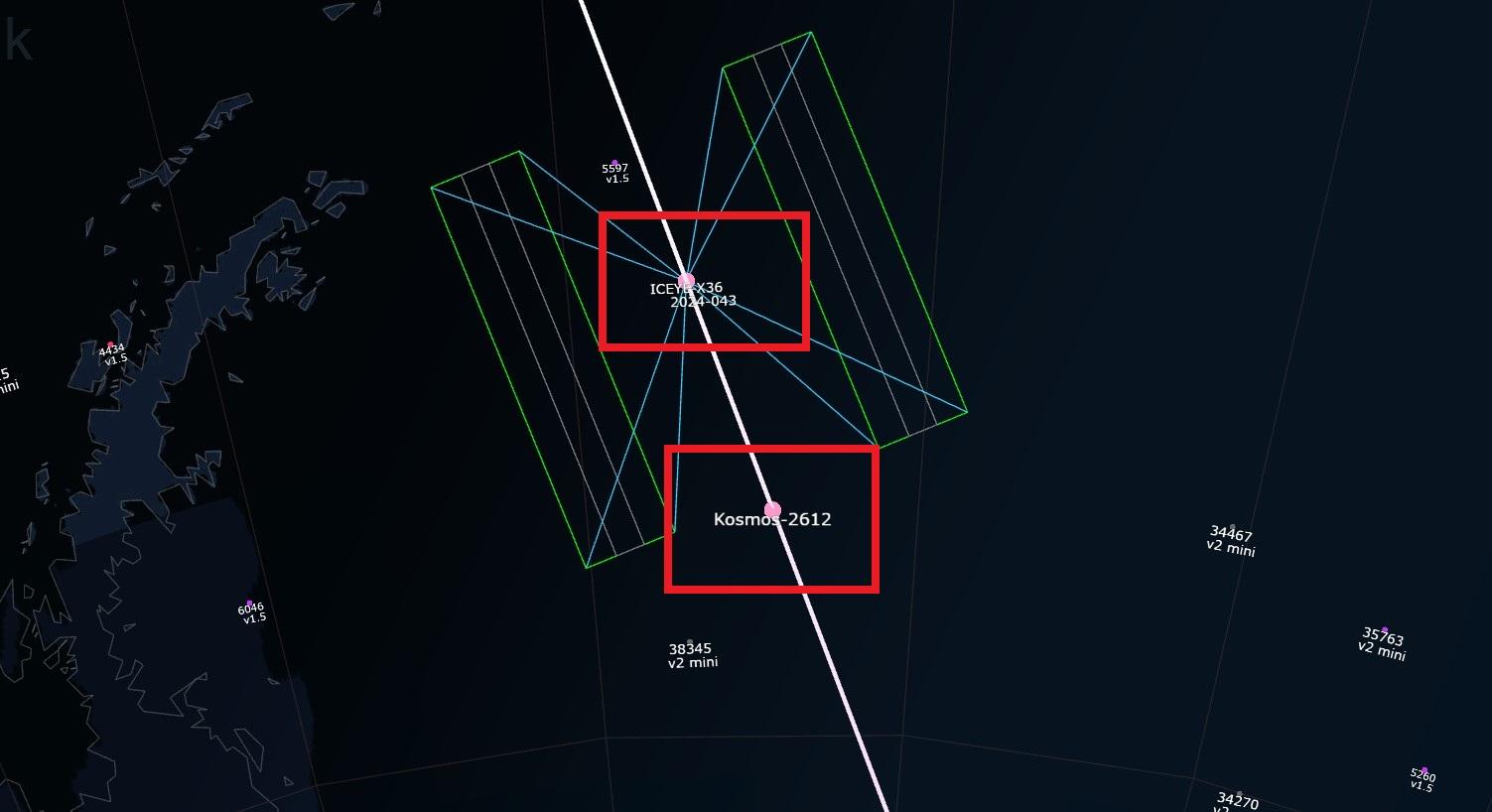
Kosmos 2612 conducted deliberate maneuvers toward ICEYE-X36 in low Earth orbit. Closest approach reported around 26 meters, per monitoring data.
Extreme proximity in orbit
LeoLabs said Russia’s Kosmos 2612 maneuvered in “extreme proximity” of ICEYE-X36, closing from hundreds of kilometers away to “extreme proximity,” then maneuvering around the commercial imaging satellite and remaining nearby before moving away. LeoLabs said Kosmos 2612 was holding station 2 to 3 kilometers away before shifting positions ahead of and behind ICEYE-X36, and the satellites were within 500 meters over the weekend.
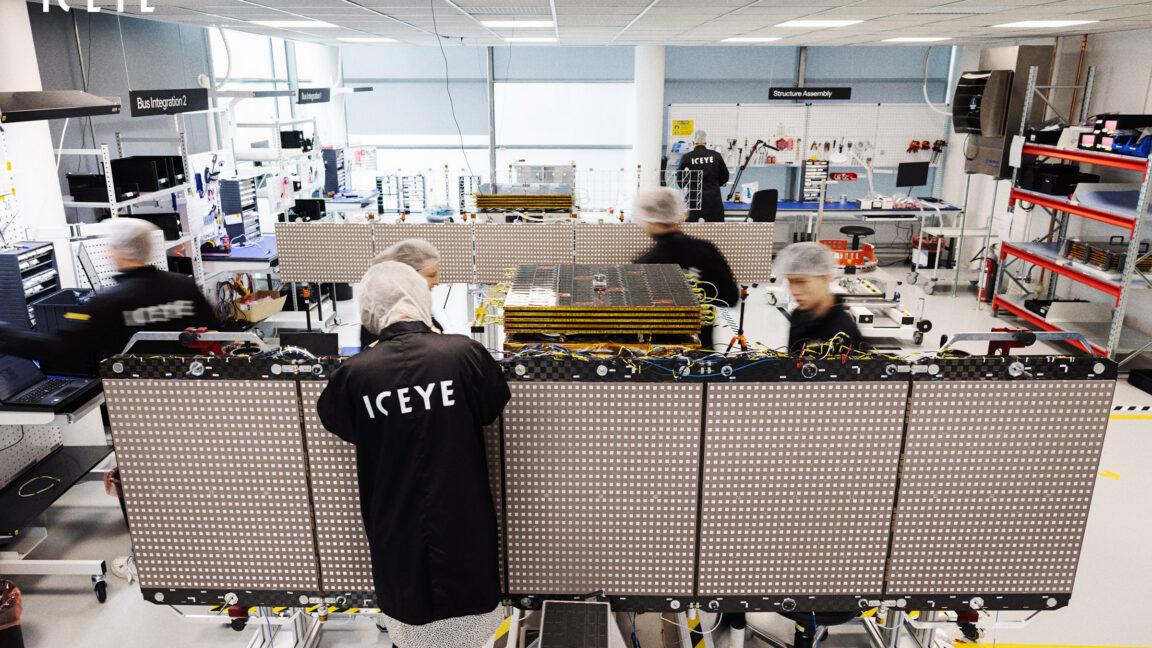
Adam Marsh, LeoLabs’ vice president of technical solutions, said the proximity “occasionally made it difficult to distinguish the two spacecraft independently,” while LeoLabs said “This was not a routine conjunction or ‘fly by.’” LeoLabs described a sequence that included “close-proximity loitering” and “a controlled departure,” and the behavior matched “sophisticated rendezvous and proximity operations (RPO).”
Dates, distances, and tracking
LeoLabs said Kosmos 2612 conducted a deliberate series of maneuvers toward ICEYE-X36 between Oct. 15-19, including “continued maneuvering around ICEYE-X36” and shifting between positions ahead of and behind the commercial satellite.
Breaking Defense reported that Adam Marsh called the episode “This is the most advanced and potentially dangerous uncooperative RPO we’ve observed,” and Victoria Samson said “I don’t think that there has ever been an uncoordinated RPO that was close.”
RBC-Ukraine said satellitemap.space data placed Kosmos-2612 at 02:06 UTC on October 19 approximately 640 meters behind ICEYE-X36 and two kilometers above it, and it said the distance narrowed to 26 meters at 16:07 UTC.
Via Satellite reported LeoLabs said Kosmos 2612 maneuvered within 2 km to 3 km on Oct. 16 and that it came within roughly 500 meters, while LeoLabs said close proximity activity ended as the satellite transitioned away on Oct. 18 and 19.
What it means next
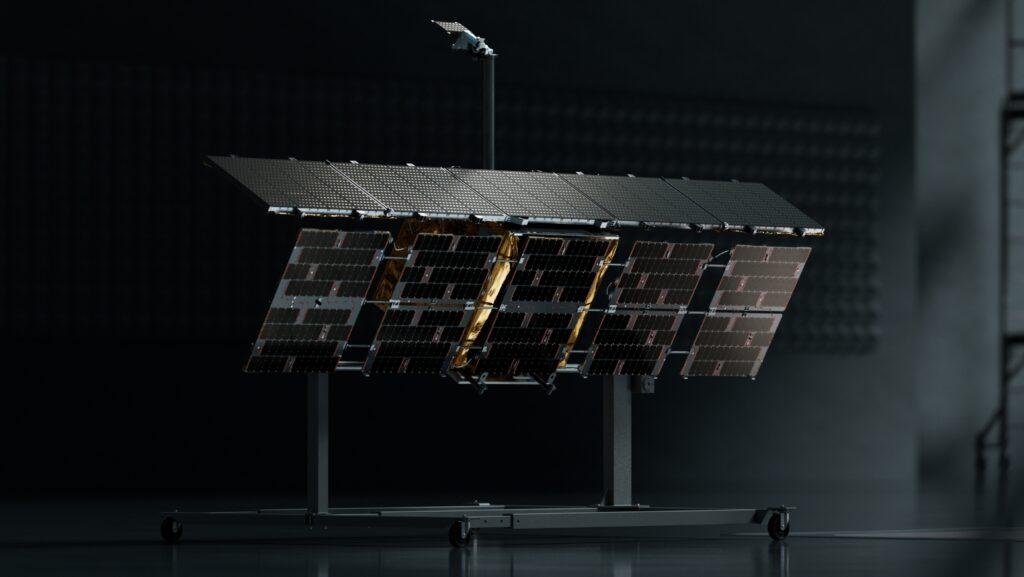
LeoLabs said the observed tactics could be used to “inspect, characterize, shadow, or potentially interfere with another spacecraft,” and it said the demonstration revealed capabilities that could support intelligence collection, on-orbit inspection, coercive signaling, interference, or preparation for future counterspace operations. Clayton Swope said in a web post that Kosmos 2612’s maneuvers should be viewed as a likely threat because the ICEYE satellite “supports Ukraine” in its effort to repel Russia’s 2022 invasion.
The New York Times quoted Clayton Swope saying, “We just don’t know,” as analysts asked what the Russian satellite was doing at such close proximity and what happens next. Via Satellite reported an ICEYE spokesperson said, “Our constellation architecture is designed for continuity and resilience,” while LeoLabs stated the observations do not establish hostile intent and emphasized the contested environment for commercial satellites.