Europe18 July, 20262 min read
EU Tells Antigua and Barbuda, Dominica, Grenada, Saint Kitts and Nevis, Saint Lucia To End Citizenship Programs
This article is an automated aggregation of coverage from news outlets. Our editorials offer in-depth analysis curated by the NewsCord team.
EU demands end to citizenship-by-investment programs or lose visa-free travel. Crackdown framed as ending 'golden passports' schemes used by Caribbean states.
EU visa threat
The European Union told five Eastern Caribbean nations to end their citizenship-by-investment programs or lose visa-free travel to the bloc, giving them two years to comply, according to The Washington Post.
The nations named were Antigua and Barbuda, Dominica, Grenada, Saint Kitts and Nevis, and Saint Lucia, and the bloc’s demand letter said new EU rules make the existence of such programs grounds for suspending visa-free access.
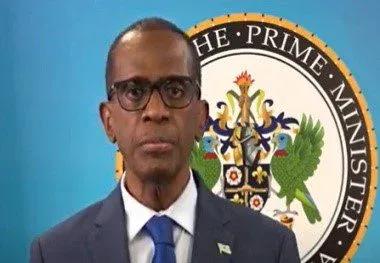
The Washington Post also reported that the prime ministers were coordinating a “collective response” after receiving letters from Brussels last month, while the Caribbean National Weekly said Saint Lucia Prime Minister Philip J. Pierre would intensify discussions with the European Union over proposed changes to its visa suspension mechanism.
Pierre spoke after a special meeting of leaders from participating Eastern Caribbean states held in Dominica on July 10 during his visit for the change of chairmanship ceremony of the Eastern Caribbean Central Bank Monetary Council, and he said the leaders reaffirmed their commitment to “respectful and constructive dialogue.”
CBI fight and quotes
The New York Amsterdam News described the EU and an Organization of Eastern Caribbean States sub-grouping as preparing for a protracted fight over EU demands that small island nations stop selling local passports and citizenships to wealthy foreigners.
It said the EU’s fiat was contained in a demand letter to the governments of Antigua, St. Kitts, Dominica, St. Lucia, and Grenada in late June, and it called for a complete abandonment of the citizenship by investment (CIP) or so-called golden passport scheme.
In the same dispute, Saint Lucia Prime Minister Philip J. Pierre said regional leaders agreed to increase diplomatic engagement with the EU, including a planned high-level mission to Brussels to meet with European officials.
Pierre also said the leaders’ goal was to identify solutions that address international concerns while safeguarding the economic interests of Caribbean nations, and he framed the relationship as a commitment to strengthening the integrity, transparency and security of their CBI programmes.
What’s at stake
The Washington Post reported that citizens of the five nations enjoy visa-free travel to the Schengen area, which includes 25 of the 27 E.U. member states, and it said the bloc has long been wary of citizenship-by-investment programs. It quoted Transparency International program lead Hugh Jorgensen saying the main risk is that “what is being sold is not the actual citizenship in the country itself, it’s what the citizenship offers in getting access to other countries.”
The Washington Post also reported that the prime ministers said the programs’ revenue funded “critical investments in climate resilience, disaster recovery, infrastructure, housing, healthcare, education, and fiscal stability,” and it said the prime ministers argued any changes “must take full account of the economic realities and development vulnerabilities of small island developing states.” In parallel, the Caribbean National Weekly said Pierre highlighted reforms already implemented across the region, including enhanced due diligence measures, improved information sharing, and the creation of the Eastern Caribbean Citizenship by Investment Regulatory Authority to strengthen oversight and regional cooperation.