Entertainment12 December, 20252 min read
Eurovision Winner Nemo Returns Trophy to Protest EBU Allowing Israel to Compete Amid Gaza Genocide
Nemo returns their 2024 Eurovision trophy in protest of Israel's inclusion EBU affirmed Israel's participation for 2026, prompting five countries to withdraw

37 outlets told this the same way.
Outlets did split on Chad Lowe and Kim Painter Mourn Daughter Fiona Hepler Lowe’s Death at 13 →
Eurovision trophy returned in protest
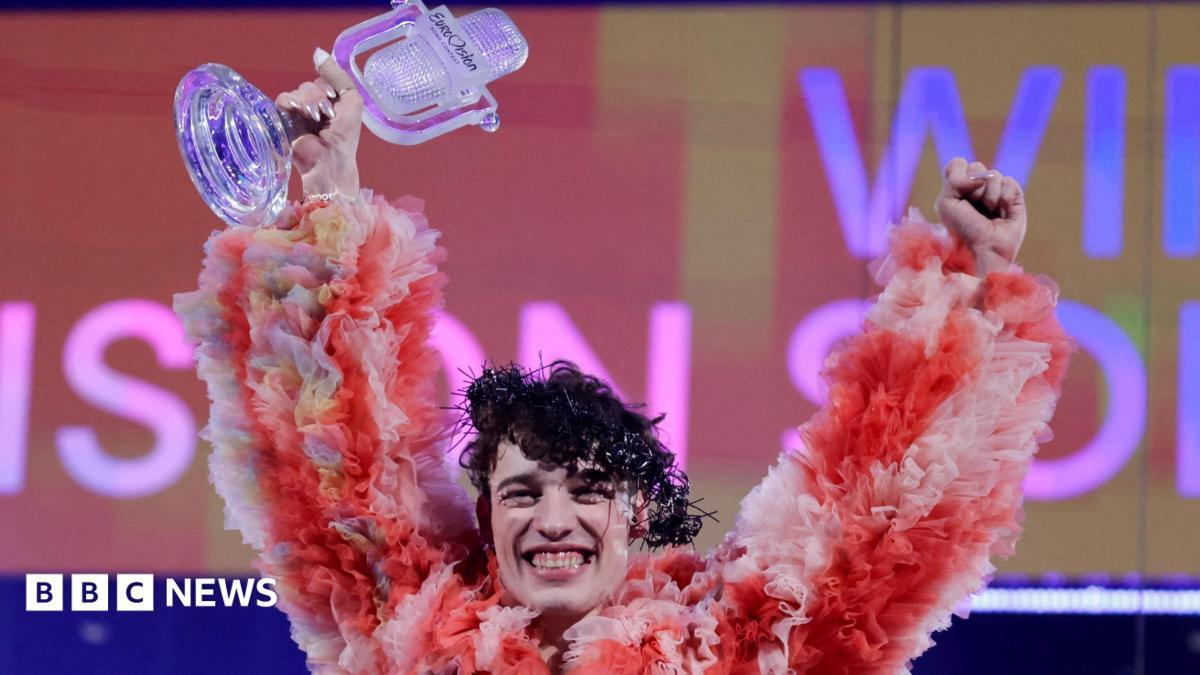
Swiss singer Nemo, winner of the Eurovision Song Contest 2024, announced they are returning their winner’s trophy to the European Broadcasting Union (EBU) in protest after organisers confirmed Israel may compete in Eurovision 2026.
“Nemo, the Swiss non‑binary singer who won Eurovision 2024 with ‘The Code,’ said they will return their trophy in protest after the European Broadcasting Union cleared Israel to take part in next year’s contest.”
Multiple outlets report Nemo posted on Instagram and packed the glass, microphone-shaped trophy for return to the EBU’s Geneva headquarters; some reports say the trophy 'no longer belonged' on their shelf.

The move follows an EBU decision on Dec. 4 not to expel Israel and comes amid a wider dispute over the contest’s political neutrality.
Eurovision protest explanation
Nemo explained the protest in an Instagram post and video, saying Eurovision's stated values of 'unity, inclusion and dignity for all' conflict with permitting Israel to participate while a UN independent inquiry has described actions in Gaza as amounting to genocide. Nemo said the trophy 'no longer belonged on my shelf' and accused the EBU of allowing the contest to be used to 'soften the image' of a state accused of severe wrongdoing. Several outlets reproduce Nemo's words and link them to the UN Independent International Commission of Inquiry's conclusions or to reports of heavy civilian casualties in Gaza.
Eurovision response and reforms
Organisers and broadcasters responded with a mix of regret, procedural defence and policy changes. The EBU said the contest remains non-political and that a majority of members supported proceeding. Eurovision director Martin Green told reporters he was saddened by Nemo's choice but respected their views.
“Eurovision director Martin Green said he was saddened by the move and that Nemo’s views are respected.”
The EBU announced tougher voting safeguards and additional mental-health protections for participants after allegations of vote manipulation and increased pressure. At least five public broadcasters—from Spain, Ireland, the Netherlands, Slovenia and Iceland—have declared they will not participate in 2026 in protest.
Reactions and reporting split
The controversy has prompted strong, divided reactions across countries and outlets. At least five national public broadcasters have said they will boycott the 2026 contest, and many artists in some countries vowed not to participate if chosen. Israel's president and public broadcaster welcomed the EBU decision, while Israeli officials strongly reject labels of genocide.
Reporting also varies on casualty figures and source attribution, with West Asian and Palestinian-linked outlets often citing Gaza health ministry tallies of more than 70,000 killed. Mainstream outlets repeatedly note those figures alongside the EBU's and Israel's denials and the contested legal characterisation.
Media framing of Nemo protest
Coverage and framing of Nemo's protest differ markedly by outlet type. Western mainstream sources typically report Nemo's protest alongside institutional responses and balancing quotes. West Asian and regional outlets foreground humanitarian figures and the UN inquiry's findings.
“Eurovision director Martin Green said he was saddened by the move and that Nemo’s views are respected.”
Western alternative outlets push a more activist narrative urging boycotts and systemic change at the EBU. Tabloids emphasise drama and personal details, such as packed trophy photos and quotes like 'I felt very alone'.
Some local and alternative outlets highlight calls from artists and broadcasters for broader cultural or editorial responses. This divergence reflects editorial priorities: whether to emphasise Nemo's moral stance, institutional procedure, contested legal labels like 'genocide', or the practical fallout for Eurovision 2026.