
Sports · 01 July, 2026 · 2 min read
EWTN News Highlights Croatia’s Catholic Mass and Scotland’s Return After 28-Year Absence
No provided article covers Croatia’s Catholic Mass or Scotland’s 28-year return. Sources largely focus on World Cup 2026 coverage and faith integration.
Whether FIFA permits/controls religious expression.
2 of 3 outlets skipped it: argentina’s Virgin of Luján is invoked for unity..
28outlets compared
Same story, two versions
tap a side to read it in full
Religión Digital
“‘La FIFA sanciona… cualquier ‘eslogan, declaración o imagen’ religiosa’”Read the original ↗
Los Angeles Times
“Mi identidad realmente me importa y me convierte en un mejor futbolista”Read the original ↗
Frames differ: regulation-and-constraints versus faith-and-inclusion benefits.
Faith on the pitch
The 2026 FIFA World Cup has been framed by multiple outlets as a tournament where faith shows up alongside football, including moments of prayer and public religious gestures by players and teams.
“Before the World Cup, the players and coaching staff left their training session to attend Mass on the solemnity of the Most Holy Trinity.”
EWTN News described Croatia’s Catholic practice before the World Cup, saying that “Before the World Cup, the players and coaching staff left their training session to attend Mass on the solemnity of the Most Holy Trinity.”
In the same coverage, EWTN News also highlighted Scotland’s return after a 28-year absence and quoted Ben Gannon-Doak in a BBC interview about the role of Catholic faith, noting that “He carries a medal of St. Michael the Archangel and prays and reads the Bible before every match.”
Other reporting tied faith to specific match-day scenes, including a Mexico City tradition where players and coaching staff pass through a restricted-access Catholic chapel before taking the field, and a plaque that says the image was blessed by St. John Paul II in 1999 during his fourth visit to Mexico.
Sujood and shared prayer
Coverage of the tournament also emphasized Islamic expressions of gratitude, including sujood after key results, and it linked those gestures to widely shared viral moments. Gulf News said Morocco’s players “collectively performed Sujood, bowing down in prostration to thank Allah” after winning their Round of 32 penalty shootout against the Netherlands, which the outlet said they won 3-2 on penalties after a 1-1 draw.
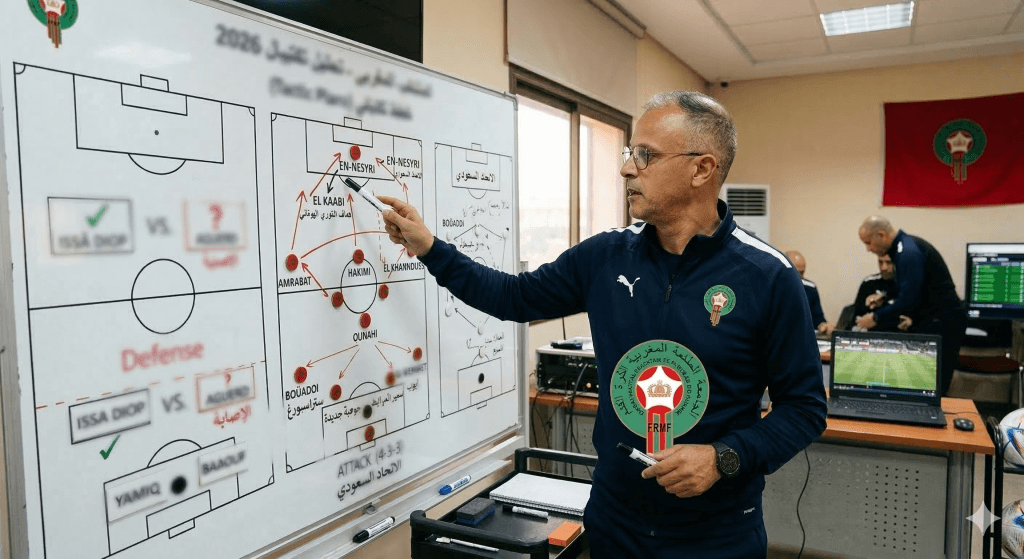
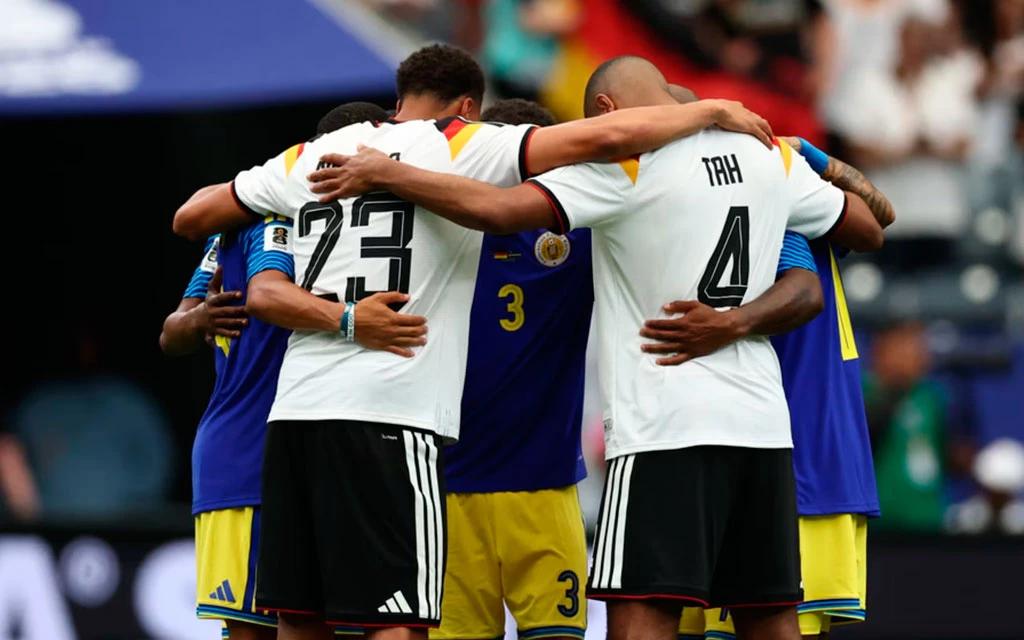
The same Gulf News report described the pre-shootout moment when head coach Mohamed Ouahbi and his players gathered in a circle to recite verses from the Holy Qur'an and pray before stepping up to take their penalties. In parallel, Los Angeles Times highlighted how religious openness among players is presented as a form of unity, quoting Interfaith America president Eboo Patel saying, “Es simbólico, pero también sustantivo” about the World Cup teams’ religious diversity.L
Faith, rules, and scrutiny
While faith is shown in match-day rituals, at least one outlet also described how FIFA regulations intersect with religious expression, including restrictions on what players can display. Religión Digital said FIFA sanctions in its regulations any “eslogan, declaración o imagen de carácter político, religioso o personal” that players might wear or carry, while also stating that FIFA cannot prevent players from joining together to pray or celebrating a goal by looking to the sky, kneeling, or making the sign of the cross.R
The same Religión Digital piece connected those rules to examples of on-field religious practice, including that Mohamed Salah “se arrodilla simulando el rezo islámico.” Separately, Los Angeles Times tied faith to player identity and cooperation, quoting Eboo Patel that “Marcan, cada uno hace su respectiva oración y luego se abrazan,” describing a sequence of prayer and team embrace as part of building community.