
Technology and Science · updated 1h ago · 3 min read
FAA Prepares SMART AI Tool for Washington, DC Air Traffic With $875 Million Funding
$875 million over 12 years awarded to Air Space Intelligence for SMART. SMART analyzes weather, schedules, runway capacity to predict conflicts.
12 outlets, one story, no spin found.
7 of 8 outlets skipped it: SMART expands conflict-spotting window from 15 minutes to two hours.
12outlets compared
SMART set for D.C. rollout
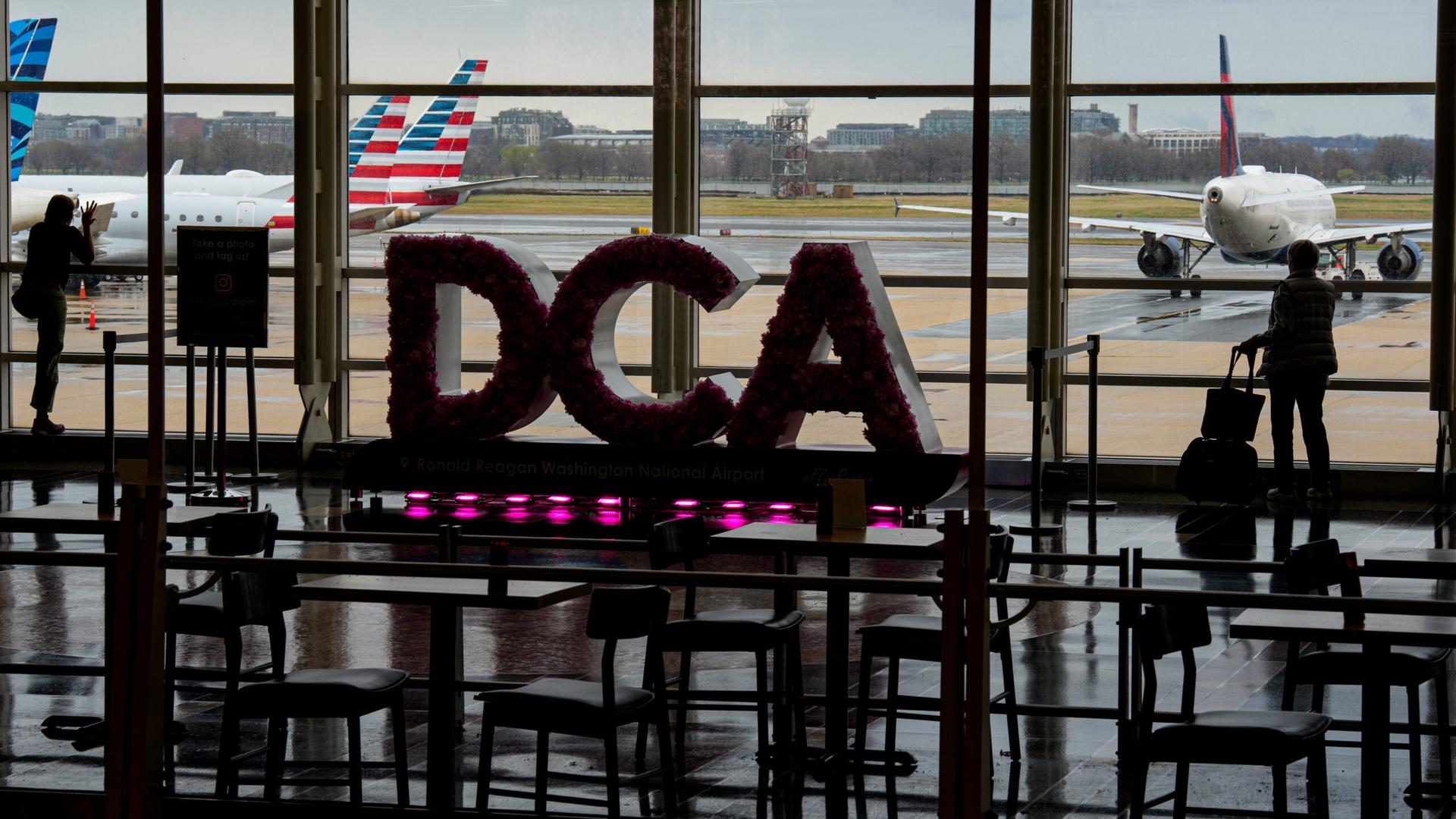
The Federal Aviation Administration is preparing to start advising air traffic controllers with an AI tool called SMART in the congested airspace above the Washington, DC, area, with a limited launch that could begin as soon as Monday, September 21.
“as soon as Monday, September 21”
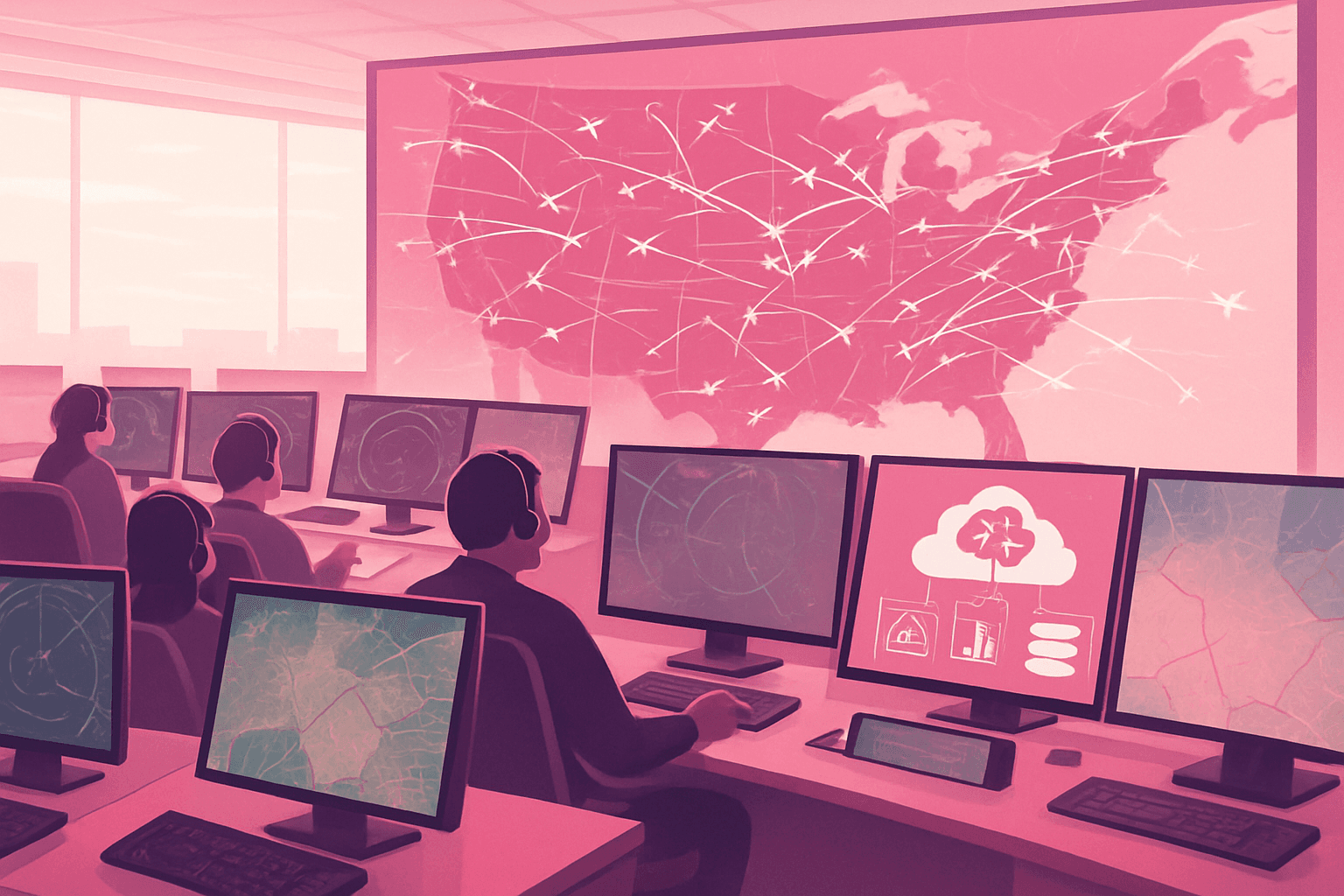
Ars Technica says SMART is described by the FAA as using AI models to predict air traffic flows and identify potential conflicts based on factors including airline schedules, weather, airport capacity, and airspace conditions.
The planned rollout is framed as the first step toward a nationwide deployment covering the 29 million square miles of US national airspace overseen by the FAA.
Ars Technica also reports that US government and industry officials told The Wall Street Journal that SMART could debut for the three major airports in the Washington, DC, area as soon as Monday, September 21.
The FAA’s SMART effort is funded up to $875 million over 12 years, with the first deployment in the Washington, D.C. metropolitan area before expanding to other regions, according to Brief IA.
Debate over procedures and jobs
Ars Technica reports that the airline industry was reportedly confused for weeks about the agency’s plans to deploy SMART, and that anonymous airline officials told Politico their concerns eased after the FAA said the SMART AI tool would not change any procedures for air traffic controllers or airlines.
In the same account, Ars Technica says the FAA described SMART as producing “alternative route information” made available through existing FAA systems, while Philip Mann of Vector Strategic Consulting LLC argued that “Every cut in scope shrinks the unknowns.”
NewsNation frames the rollout as coming amid public concern about AI, and it quotes Transportation Secretary Sean Duffy saying in a statement when the technology was officially announced back in June that “Once implemented, we will fundamentally reshape how the airspace is managed – slashing thousands of delays and cancellations in the process.”
NewsNation also includes former air traffic controller Dave Riley’s view that the technology would operate as a “piece of equipment that can predict (airport) delays and take action on these delays, whereas now it’s a human taking that action.”
Quartz adds that Nick Daniels, union chief of the National Air Traffic Controllers Association, pushed back on the idea that the upgrades threaten jobs, calling them “not competition for the controller workforce.”
Modernization, staffing, and timelines
The FAA’s SMART program is positioned as part of a broader effort to address a nationwide air traffic controller shortage and modernize aging air traffic control systems, with Brief IA describing the initiative as fitting into “a broader effort to address the shortage of controllers and modernize the systems.”
“a broader effort to address the shortage of controllers and modernize the systems”
Quartz reports that the Department of Transportation’s goal is to complete the full system overhaul by the end of 2028, while it also describes SMART as ingesting airline schedules together with variables such as weather conditions and runway capacity to anticipate traffic patterns and surface potential conflicts in advance.
Quartz says Transportation Secretary Sean Duffy told CBS News, “AI is a tool, but we do not replace humans in how we manage the airspace,” and it adds that the system is envisioned as helping controllers resolve potential delays before they occur.
Ars Technica says SMART’s goals include reducing aircraft fuel burn, improving on-time performance for flights, and speeding up recovery from weather and air traffic congestion events, while also noting that SMART’s risk is described by Mann as “a national-scale system with AI components carrying more unknowns than anything the FAA has fielded.”
Quartz further states that Duffy asked Congress for $6 billion to $10 billion to integrate AI into the air traffic control system, on top of $12.5 billion already allocated for wider infrastructure upgrades.