Technology and Scienceupdated 23m ago3 min read
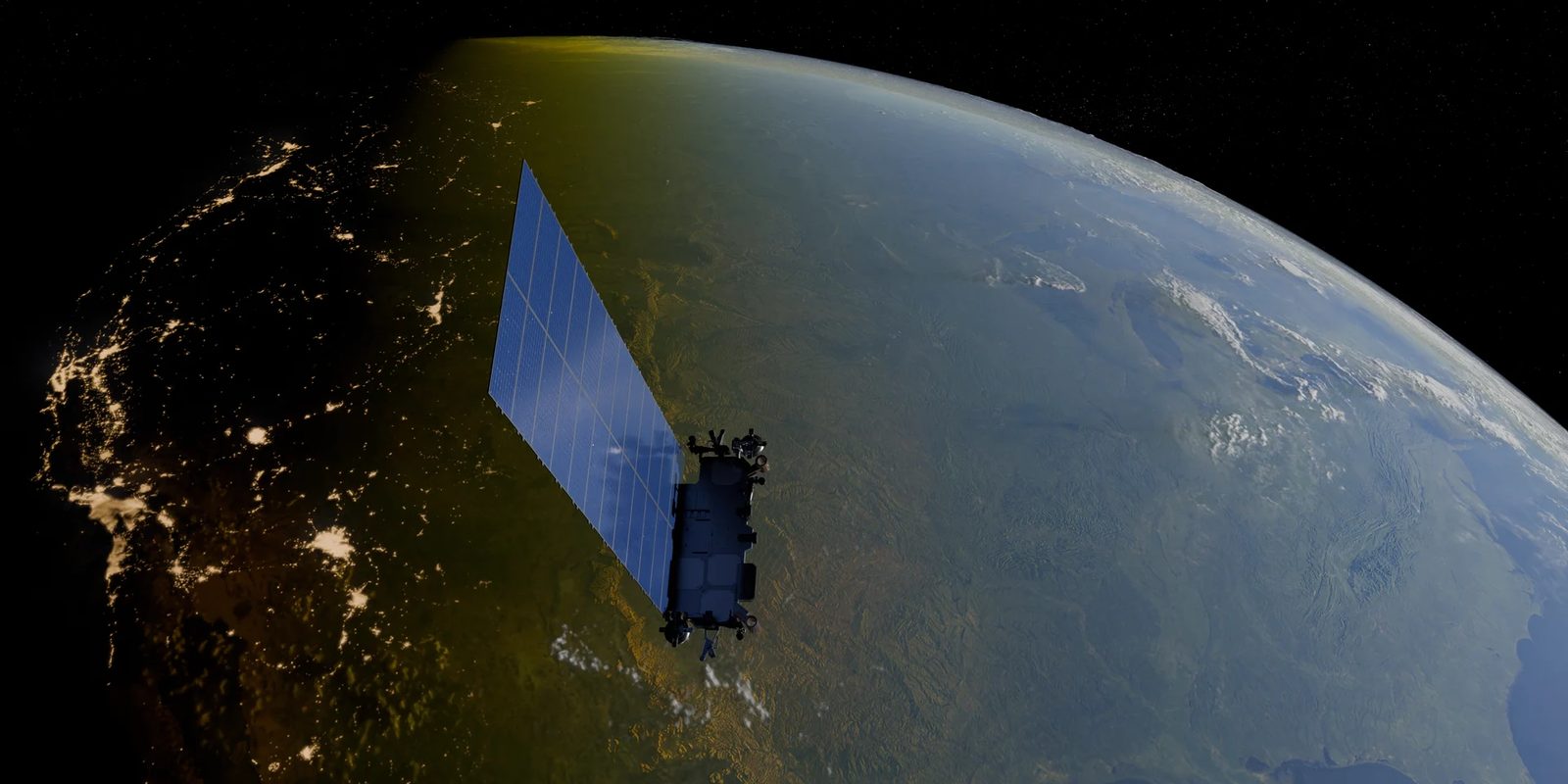
Archive photo · 13 May 2025FCC Authorizes SpaceX To Launch Up To One Million Starmind Satellites Through 2040
“called the prospect of launching a million satellites into space to create data centers ‘a fantasy.’”
“the FCC touted today’s decision as ‘the first authorization in U.S. history for a constellation of data centers in space’”
This article is an automated aggregation of coverage from news outlets. Our editorials offer in-depth analysis curated by the NewsCord team.
FCC authorized SpaceX to deploy up to one million satellites for data centers in space. Authorization runs through 2040 and constitutes first-ever license for space-based data centers.
Save coverage image
FCC clears Starmind
The U.S. Federal Communications Commission authorized SpaceX to launch up to one million satellites for its Starmind orbital data center network, with the authorization running through 2040, according to an FCC document published Wednesday on the agency’s website.
FCC Chairman Brendan Carr said the plan “opens a bold new frontier for the computing infrastructure needed to power America’s leadership and growth,” and the FCC framed the decision as “the first authorization in U.S. history for a constellation of data centers in space.”
SpaceX CEO Elon Musk replied to Carr on X, saying “Much appreciated. This will be a great asset to America and the world,” as the FCC set deployment milestones for the constellation.
The FCC order required SpaceX to deploy the first of the Starmind satellites by Nov. 25, 2033, to reach 50 percent deployment by Nov. 25, 2038, and to complete the full constellation by Nov. 25, 2040.
The FCC also authorized SpaceX to operate Starmind satellites at orbits ranging from 500 to 1,002 kilometers in altitude, and it said the satellites would be deployed “into orbital shells each spanning 50 km at altitudes from 500 to 1,002 km.”
Backers, rivals, and conditions
SpaceX said it had struck a deal with Nvidia to supply its latest-generation processors, the Vera Rubin, and the FCC authorization covered Starmind’s use of communications backups and regular updates. The FCC attached conditions including requirements for communications backups, regular updates and a detailed plan for orbital debris mitigation, and it also set rules for how SpaceX could use Ka-band frequencies. The FCC said it would allow Ka-band use “only in the event its optical links experience a failure,” and it described the authorization as addressing concerns submitted by Viasat, Amazon and the American Astronomical Society.
The American Astronomical Society said it was “disheartened and dismayed” by the FCC’s decision and called the constellation “at odds with a spirit of cooperation and goodwill.” SpaceX said the Starmind satellites would include Nvidia Rubin GPUs and Vera CPUs for datacenter-class space compute, and the FCC said the constellation would communicate over optical links.
Skepticism and what’s next
Scientists and industry experts raised skepticism about the scale of launching up to one million satellites, and astrophysicist Adam Becker called the prospect “a fantasy.” Becker warned that “You could end up with a cascading set of space junk collisions,” and he said such crashes could create “a cloud of debris” in low Earth orbit. The FCC maintained in its ruling that the Starmind constellation operates consistently with its orbital debris rules and said it dismissed environmental concerns it said it did not have authority over.
The FCC also said it received a “substantial number” of public comments leading up to the authorization, including petitions to deny SpaceX’s request, and the regulator said it found the deployment “serves the public interest.” The FCC said it would continue to review additional orbital data center proposals and intends to issue decisions on each proposal “according to the agency’s regular procedures,” while other companies including Blue Origin, Starcloud, Cowboy Space and Google pursued their own applications.