Crime09 September, 20263 min read
Five Baby Orangutans Rescued From Odisha’s Balasore Forest; Odisha Police STF Probes
This article is an automated aggregation of coverage from news outlets. Our editorials offer in-depth analysis curated by the NewsCord team.
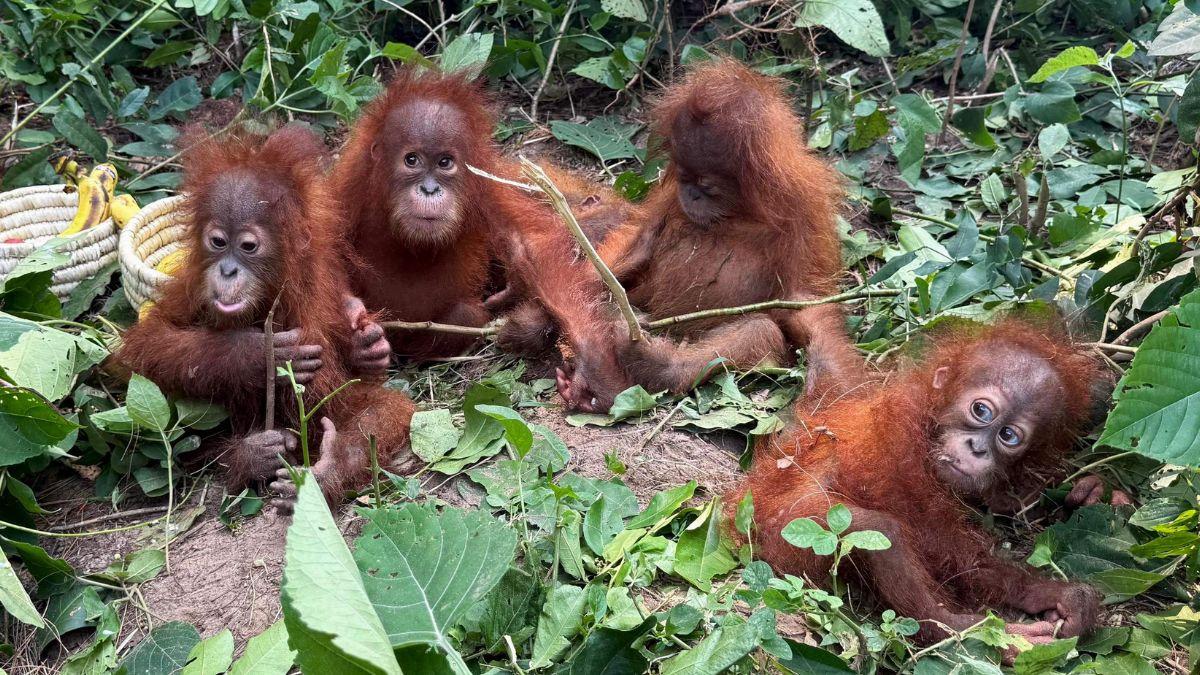
Five baby orangutans found in a Balasore forest in Odisha. Orangutans are not native to India; trafficking networks suspected.
Five rescued, probe begins
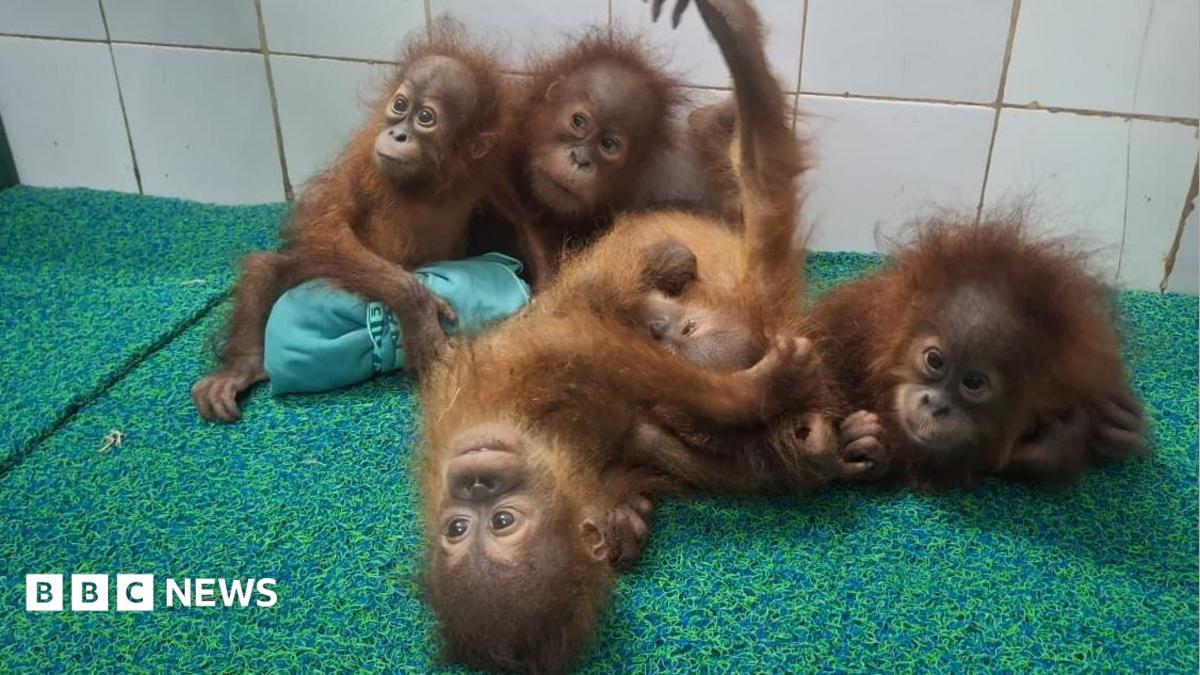
Five baby orangutans were rescued from a forest in Odisha’s Balasore district after local people spotted them early on Tuesday in the Bhograi area, and officials moved them to a forest office before shifting them to Nandankanan Zoological Park for quarantine. Balasore Divisional Forest Officer Pratik Prakash Indalkar told The Week that the animals were “handed them over to Nandankanan officials” and were “now under quarantine at Nandankanan,” after preliminary examinations by veterinary doctors. On Wednesday (September 9, 2026), Odisha Police’s Special Task Force (STF) began a probe into the circumstances surrounding the rescue, and the Odisha Forest and Environment Department also approached the Wildlife Crime Control Bureau (WCCB) for expertise.
Odisha Forest and Environment Minister Ganesh Ram Singhkhuntia said the five orangutans—three males and two females—were quarantined after being brought to Nandankanan Zoological Park, and that any decision on public display would require permission from the Central Zoo Authority. The BBC reported that the orangutans were found in Ranakata, a proposed reserve forest in Bhogarai block near the West Bengal border, and that officials said the area was close to a state highway and not a dense forest.
Trafficking suspicions and voices
Odisha’s forest minister said investigators were examining whether the animals were trafficked into the country by an international smuggling network and abandoned near a highway, and the BBC described the inquiry as involving police, forest officials and a special task force. The BBC quoted Balasore District Forest Officer Pratik Prakash Indalkar saying, “the animals could not have reached Odisha naturally,” and added that they may have been transported there by road. Kanwar Vishal Singh, Deputy Inspector General of Police, STF, said, “We have sent a team to Balasore to initiate a probe,” and described forest officials as cooperative while STF held discussions on the circumstances under which the orangutans were spotted.
The Hindu reported that the STF faces the task of tracing the route through which the animals may have been transported—whether by sea or land—and identifying those involved in the suspected trafficking network. The Times of India said authorities suspect the critically endangered apes may have been abandoned by traffickers fearing arrest, and it quoted IG (STF) Himanshu Kumar Lal saying, “We have sent our personnel to Balasore to start the probe.”
Quarantine, monitoring, and next steps
After rescue, the orangutans were taken to Nandankanan Zoological Park in the state capital, Bhubaneswar, where officials said they were in quarantine and being monitored by veterinarians and zoo staff. The Week said the animals were kept under observation at Nandankanan while veterinarians assessed their health and condition, and it noted that their exact ages were yet to be established. The Hindu added that the park authorities were taking care of the animals in accordance with prescribed protocols and in consultation with central agencies, and it reported that the animals were fed bananas and apples initially while younger ones were given mashed potatoes and apples.
The BBC said officials believed the orangutans had been in the area for only two or three days and that a search of the forest found no other orangutans or clues as to how the animals got there. Hindustan Times reported that Odisha forest minister Ganesh Ram Singh Khuntia said, “An international mafia may be involved in trafficking them,” and it said police were informed and a team from Nandankanan Zoological Park would take the animals, which would remain in quarantine before further decisions about their care.