Europeupdated 1h ago2 min read
France Protests Escalate As Macron Vows Prosecution Over Vandalism And Looting
This article is an automated aggregation of coverage from news outlets. Our editorials offer in-depth analysis curated by the NewsCord team.
Protests spread nationwide across Paris, Lyon, Marseille and other cities over costs and schooling. Violence and property damage surge, including historic sites, with mass clashes.
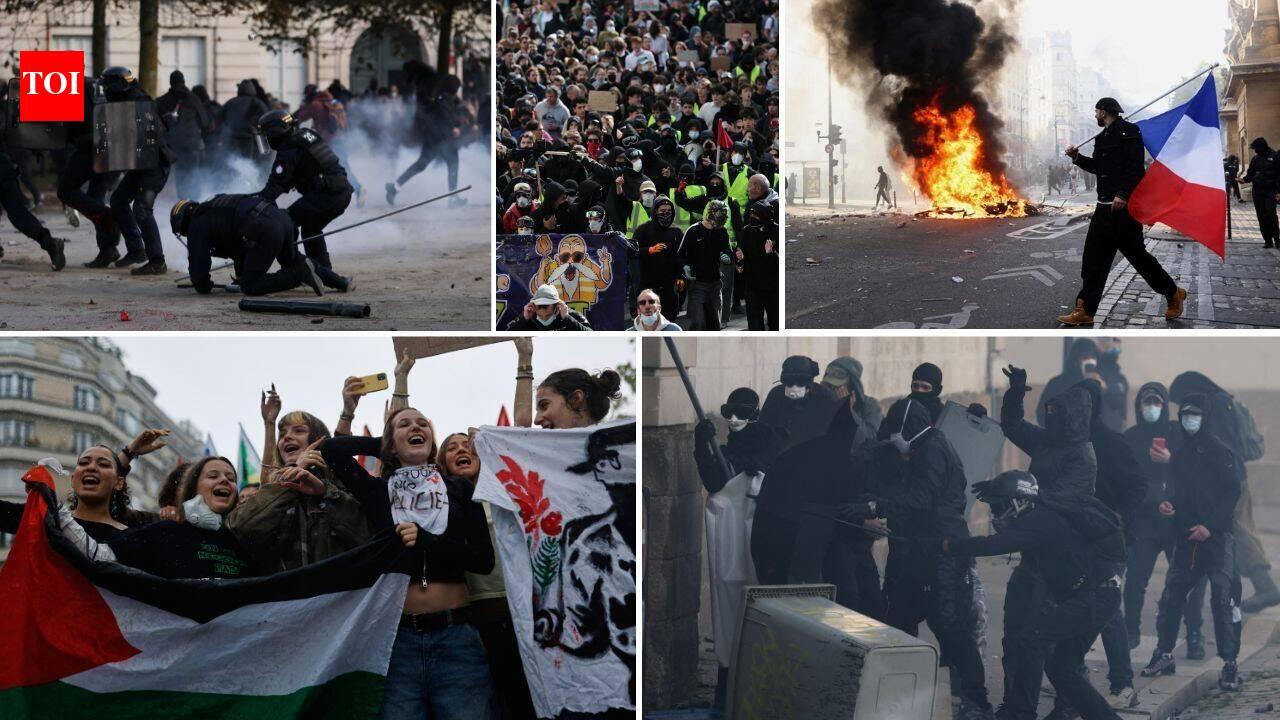
Protests across France
France saw widespread protests on 17 October 2026 against rising living costs and declining public services, with demonstrations erupting in Paris and dozens of other cities. The Interior Ministry reported 272 arrests by mid-afternoon, while the CGT union estimated up to 800,000 participants nationwide.
The unrest followed weeks of student-led actions and expanded as labour unions and various social groups joined, with the “yellow vest” movement seeing a revival. President Emmanuel Macron vowed to prosecute those responsible for vandalism and looting, posting on X, “We will all stand united against the sowers of chaos, who only seek to undermine our institutions and prevent those who peacefully express their demands from doing so,”.

Violence and heritage
Masked protesters set fires in multiple cities, and the 143-year-old Limoges Town Hall was largely destroyed by fire after masked protesters set a police car alight and then ignited the building. Local officials described the Limoges Town Hall incident as a “catastrophe for heritage,” as fires also broke out in a tourist office in Lyon and town halls in Marseille and Lille.
The protests included extensive property damage, with dozens of shops looted and metro stations near key government buildings closed. Prime Minister Sebastien Lecornu stated that over 1,200 people had been arrested, and more than 150 police officers were injured as details emerged.
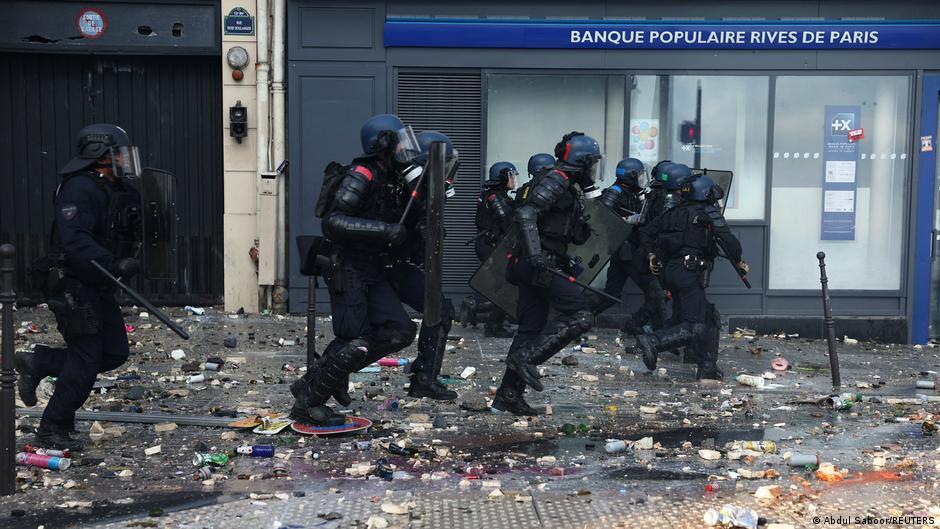
Education, policing, and stakes
The protests began in September in high schools suffering from teacher shortages, crowded classes, and deteriorating facilities, and the movement broadened to include the cost of living, rising fuel prices, and declining public services. The Guardian said the protests began in a Paris suburb because of poor school conditions, and it framed the police response by arguing that authorities treated schoolchildren as if they were ‘enemies to crush.’
The Financial Times described the standoff as France between the bond market and the barricades, noting that public debt was approaching 120 percent of GDP and that borrowing costs were at their highest in about a quarter of a century. Sonia Mabrouk, a protester from a Paris suburb, said, “There’s a general sense of frustration and anger,” as the unrest put pressure on the government ahead of the presidential election in six months.