Russiaupdated 1h ago3 min read
Russian Drones Strike Romania And Ukraine Waters, NATO Boosts Counter-Drone Capabilities
This article is an automated aggregation of coverage from news outlets. Our editorials offer in-depth analysis curated by the NewsCord team.
Russian drones attacked ships in NATO waters and Romanian waters, including a tanker near Sulina. At least seven ships attacked in NATO EEZs, with an incident near Sulina confirmed.
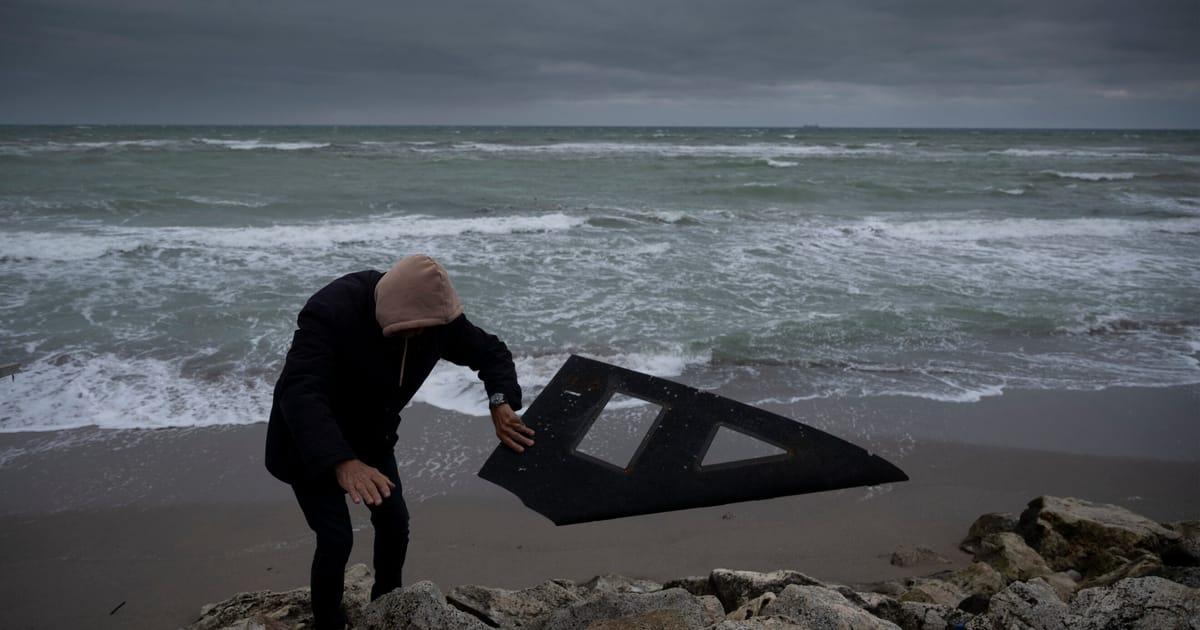
Drones in NATO waters
Russian drones were suspected of sinking a cargo ship and leaving chemical tankers ablaze near the Black Sea coasts of Bulgaria and Romania, with the latest attacks entering NATO member territory in ways that raised calls for more counter-drone protection. NATO Secretary General Mark Rutte said in a social media post on October 15 that NATO increased “counter-drone capabilities” along the alliance’s eastern flank after meeting with the leaders of Bulgaria and Romania. The attacks occurred within 24 hours between October 14 and October 15, when the two chemical tankers were set afire after Russian drones were detected in Romanian airspace, according to Deutsche Welle.
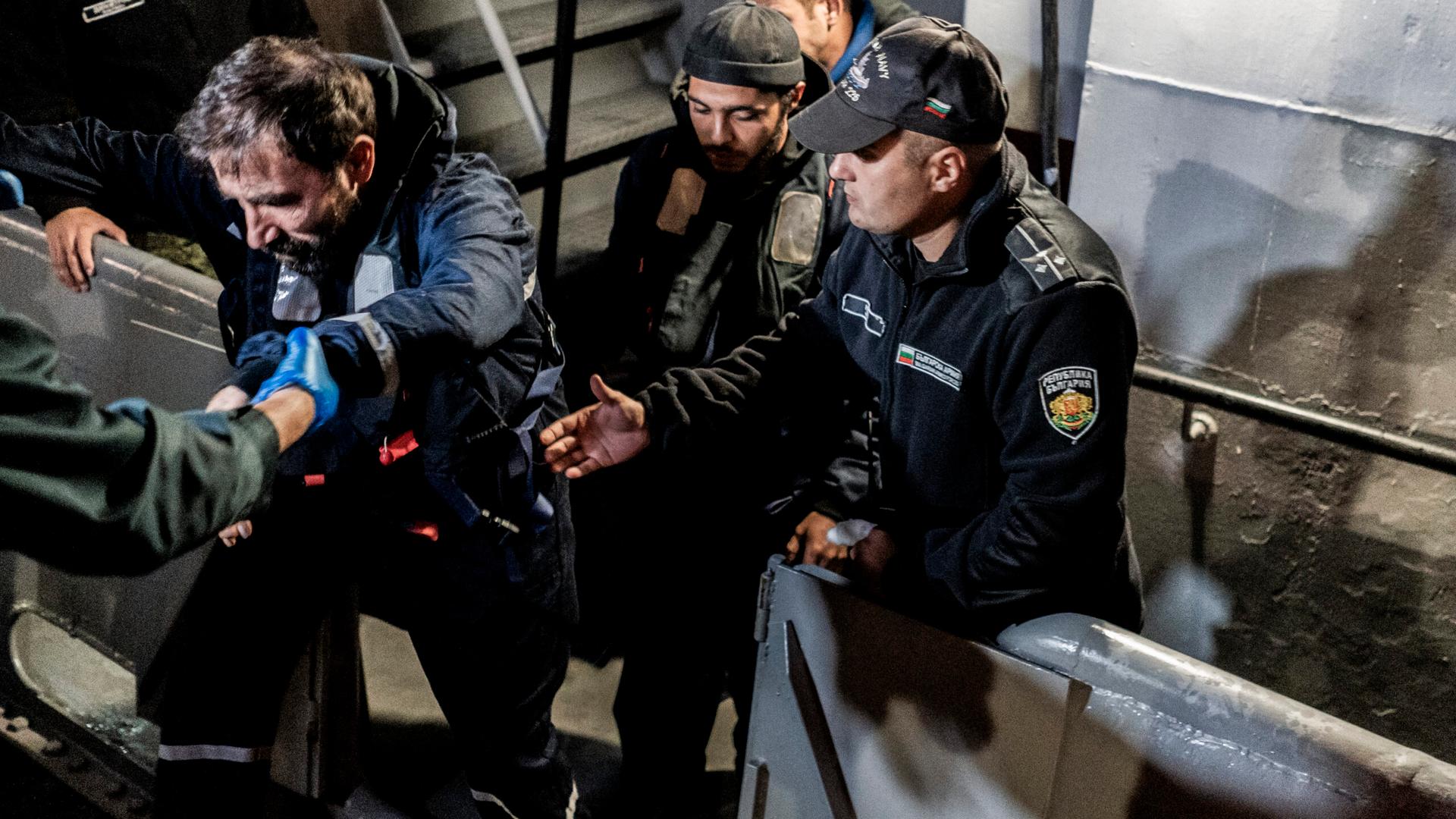
Romanian authorities reported that the Comoros-flagged chemical tanker Yara J was struck within Romania’s territorial waters, and Reuters reported that Romanian authorities were still searching for seven missing sailors after rescuing five people from the San Marino-flagged tanker Wine Trader. A NATO statement described a Marshall Islands-flagged bulk carrier named Sea Destiny as also having been targeted inside Romanian waters overnight, along with a Tanzanian-flagged tanker named Dania J coming under attack in the Danube port city of Izmail in Ukraine.
Automation and deterrence
Latvia moved to build automated anti-drone defenses along its border with Russia, with defense minister Raivis Melnis telling Business Insider that soldiers would be responsible only for deciding when and whether to fire.
Melnis said Latvia aims to detect and neutralize “any drone which flies in,” and he described the goal as building “an autonomous system” that leverages technology to “reduce the number of soldiers” required to operate the defenses.
NATO Secretary General Mark Rutte said in June that “long-term we cannot continue by shooting down drones with very costly interceptors, so we have to find interception techniques which are of the same costs as the drones.”
Melnis said Latvia’s system is designed so jets serve only as “the secondary means” of stopping any drone that penetrates the wall, and he framed the border as “a Russia-NATO, Russia-Europe border.”
Melnis added that “Any drone that crosses the border” is “the drone coming into NATO airspace. That's the drone coming into Europe.”
Trade, grain, and missing sailors
Black Sea countries sought alliance support after lethal drone attacks in NATO waters, with POLITICO describing a growing European security and commercial risk as drones hit ships and killing sailors, while grain routes faced strain. POLITICO reported that five commercial vessels had been hit in Bulgarian and Romanian waters over the past week alone, leaving at least four people dead, several sailors missing and others injured, and it said Black Sea countries raised the issue at NATO for more focus on the region. Bulgarian Prime Minister Rumen Radev said on X that “The attack within Bulgaria’s exclusive economic zone is absolutely unacceptable,” and he added that it “will further jeopardise safe navigation in the Black Sea.”
“The attack within Bulgaria’s exclusive economic zone is absolutely unacceptable.”
POLITICO said investigators still had not proven that Russia was behind the strikes, and it quoted Radev’s reticence as part of a broadly softer approach toward the Kremlin. The article said draft European Council conclusions obtained by POLITICO expected leaders to discuss the “immediate restoration of safe passage for grain cargo ships,” while it warned that the security risk threatens Ukraine’s export gateway and the case for rebuilding in ports near Odesa.