Russiaupdated 2h ago2 min read
U.S. Air Force Gen. Alexus Grynkewich Unveils NATO “Block, Blunt, Break” Plan at Warsaw Forum
This article is an automated aggregation of coverage from news outlets. Our editorials offer in-depth analysis curated by the NewsCord team.
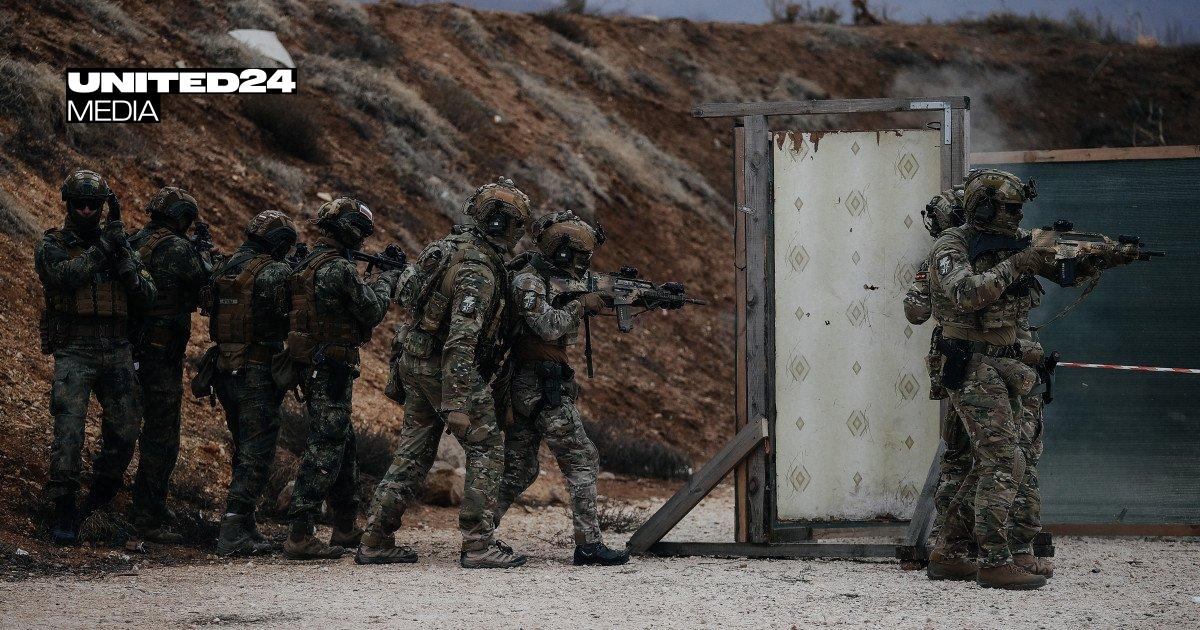
NATO unveiled the 'Theory of Victory' to deter and defeat a Russian attack. The plan's 'block, blunt, break' approach aims to deny attacker footholds and defeat forces.
12 outlets told this the same way.
NATO’s “Theory of Victory”
NATO’s top military commander, U.S. Air Force Gen. Alexus Grynkewich, unveiled a new Russia war plan at the Warsaw Security Forum built around three strategies to stop an attack, “block, blunt and break”.
“What I want to do is assure the one billion citizens of our alliance that we’ve got this.”
Grynkewich told the forum that NATO does not view a military confrontation with Russia as “imminent or inevitable”, but he said the alliance would still be ready for war.

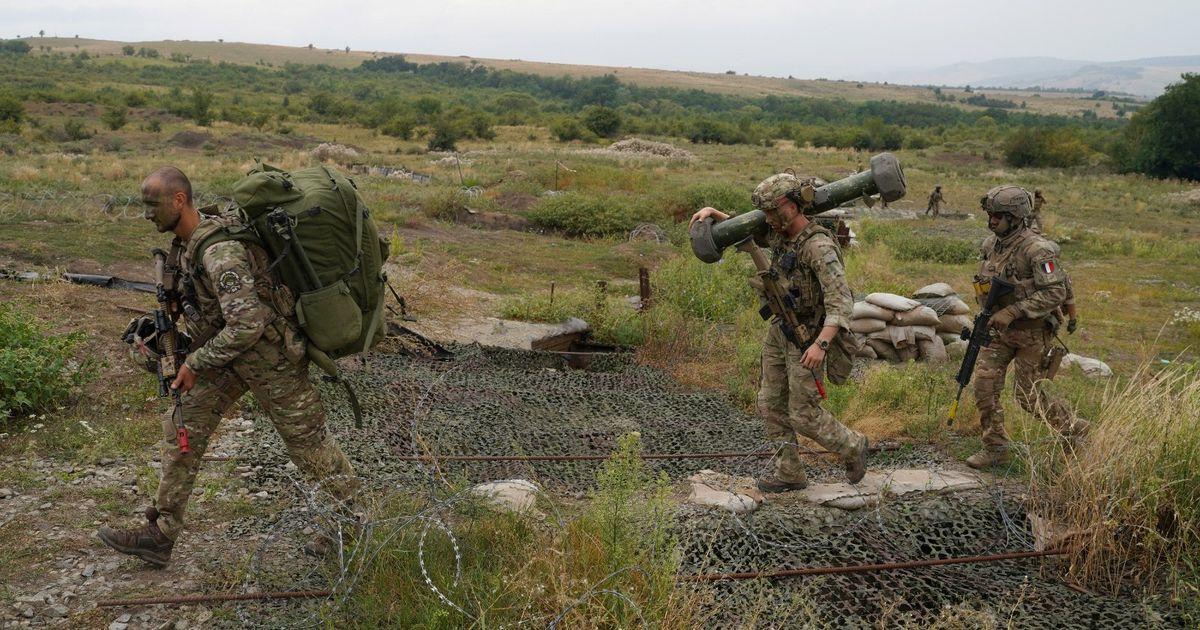
Grynkewich said NATO’s forces would “block” an attack at the border, then “blunt” it by hitting incoming troops from the air, sea, and land, and finally “break” the enemy by targeting supply chains and command networks.
Grynkewich said the plan draws on lessons from fighting in Ukraine and the Middle East and relies on precision weapons with “affordable mass,” including drones and other autonomous systems.
Grynkewich also framed the disclosure as a way to reassure alliance populations, saying, “What I want to do is assure the one billion citizens of our alliance that we’ve got this.”
Warnings, unity, and rifts
European intelligence agencies warned of rising threats from Russia, including the prospect of conventional military action and “hybrid warfare”, which can include tactics from cyberattacks to tampering with undersea cables.
Grynkewich said NATO would respond to any attack with sensors, autonomous systems and military force, and he told the Warsaw conference, “We will block the initial attack. If the attack persists, we will blunt it and prevent any enemy advance.”
POLITICO reported that Grynkewich aimed to send a clear signal to the Kremlin that the alliance will resist any attack, while Lithuanian Defense Minister Robertas Kaunas said the theory “will send a strong message to our adversaries that we are going to defend ourselves.”
The New York Times described geopolitical contradictions at the forum, pointing to President Donald Trump’s decision to unilaterally ease sanctions on the Kremlin to purchase Russian diesel fuel.
The New York Times also reported that Trump appeared on Saturday as if blaming Ukraine for the war and urged Kyiv to “elect a new president.”
What NATO says is at stake
Grynkewich said NATO’s approach is designed to stop an invasion without seeking to occupy hostile territory, and he described the strategy as aiming to deny an adversary any foothold and dismantle combat capabilities. Stars and Stripes reported that Grynkewich said NATO would defeat invading Russian forces, sever their supply lines and cripple their command systems, while stopping short of pursuing a wider war. Grynkewich said NATO’s attack would focus on defeating the forces involved in an invasion and the military systems supporting them, and he argued that any attempt by Russia to escalate would strengthen NATO’s unity.
“We have no plans, intentions, or ambitions beyond protecting our people and defending our lands.”
Euronews reported that Grynkewich stressed the plan was “defensive in nature,” and he said, “We have no plans, intentions, or ambitions beyond protecting our people and defending our lands.” The New York Times said NATO disclosed the blueprint because Russia was intensifying sabotage, arson and cyberattacks against European nations supporting Ukraine, and it described the plan as a way to deter the Kremlin in the event of outright war.