Russia09 October, 20263 min read
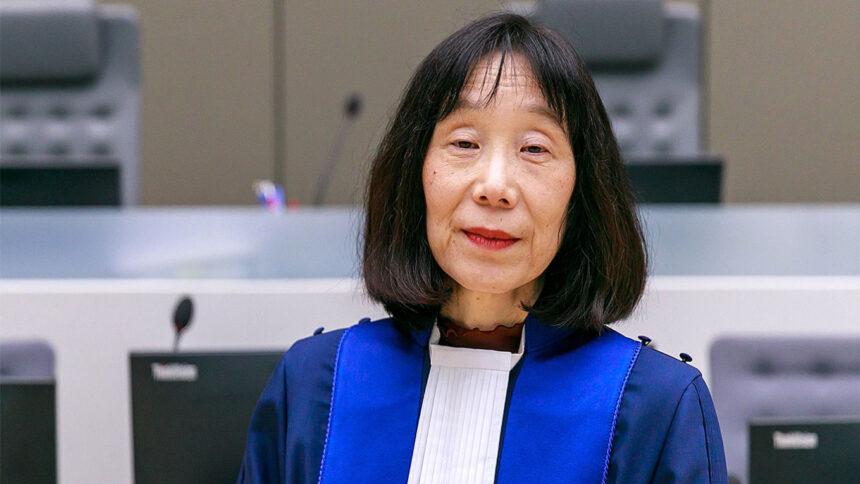
Russia Seeks Extradition of ICC President Tomoko Akane, Eight Other Officials
This article is an automated aggregation of coverage from news outlets. Our editorials offer in-depth analysis curated by the NewsCord team.
Russia seeks detention and extradition of ICC President Tomoko Akane and eight officials. Extradition requests tied to ICC's 2023 Putin arrest warrant over Ukraine war.

8 outlets told this the same way.
Russia seeks ICC judge extradition
Russia’s Prosecutor General’s Office asked the Netherlands to detain and extradite International Criminal Court President Tomoko Akane and eight other current and former ICC officials, after Moscow issued warrants in response to the ICC’s 2023 arrest warrant for Vladimir Putin over the war in Ukraine. The Russian Prosecutor General’s Office submitted requests to several governments for the extradition of nine current and former ICC officials, including Karim Khan, who served as the court’s chief prosecutor when the arrest warrant against Putin was issued in March 2023. Moscow City Court convicted the nine ICC officials in absentia in December 2025 and sentenced them to prison terms ranging from three and a half to 15 years, for alleged offences tied to investigations and judicial decisions concerning Russian officials suspected of international crimes.
The ICC’s arrest warrants against Putin and Maria Lvova-Belova were issued on 17 March 2023 over the alleged unlawful deportation and transfer of Ukrainian children from occupied areas to Russia, and the warrants remain in force even though neither suspect has been brought before the court. The ICC investigation covers whether children were unlawfully deported or transferred from occupied territory, conduct prohibited under international humanitarian law, while Russia maintains the transfers were humanitarian evacuations.
Japan protests, cites unfairness
Japan condemned Russia’s extradition requests for Tomoko Akane and eight other ICC officials based in the Netherlands, and Deputy Chief Cabinet Secretary Masanao Ozaki said Tokyo had expressed its protest to Moscow over the requests. Ozaki told reporters, “Measures targeting individuals connected to the ICC are unjust and unacceptable,” and he added, “We regret that Russia made extradition requests to multiple countries nevertheless.” Prime Minister Sanae Takaichi reaffirmed Japan’s support for the ICC during a parliamentary session on Friday, saying Tokyo would continue to defend the institution as part of its commitment to international law.
The Russian state news agency Tass accused the ICC of issuing arrest warrants against Russian citizens in violation of fundamental principles and norms of international law without any evidence, as Japan weighed its response. The confrontation between Moscow and the ICC intensified after the court issued arrest warrants on March 17, 2023, and Russia placed Akane and other ICC officials on wanted lists after opening criminal cases against ICC prosecutors and judges involved in proceedings concerning Russian officials.
Extradition stakes and travel
Russia’s extradition demands coincide with a separate dispute between the ICC and the United States, after President Donald Trump’s administration imposed sanctions on Akane and senior ICC trial lawyer Abdoulaye Seye on 18 August 2026. The EU Today account said Russia’s latest move is unlikely to secure Akane’s extradition from the Netherlands, which hosts the ICC and is among its principal supporters, while it also said Russian authorities were seeking cooperation from several countries. The EU Today account warned that the existence of arrest warrants could complicate international travel and expose those named to detention pending legal proceedings, even though Russian convictions would not automatically require another state to surrender an ICC official.
Mediazona said Russia’s Prosecutor General’s Office sent requests to the Dutch Ministry of Justice and Security and to several other countries it did not name, asking them to detain and extradite nine current and former officials of the International Criminal Court in The Hague. Mediazona reported that the Prosecutor General’s Office repeated claims that the ICC presidium, “in the absence of legal grounds,” instructed judges to issue “knowingly unlawful” arrest warrants, and it said Khan received 15 years in a penal colony while the others received sentences ranging from three and a half to 15 years.