Europe06 October, 20263 min read
France Student Protests: Riyad Rani, Nathanael Combari, Pierre Sorsa Lead Actions
This article is an automated aggregation of coverage from news outlets. Our editorials offer in-depth analysis curated by the NewsCord team.
Riyad Rani, Nathanael Combari, and Pierre Sorsa lead nationwide student protests. Up to 500 schools closed nationwide due to the movement.

France school protests leaders
France’s student protests have produced three named leaders, Riyad Rani of the Union of High School Students, Nathanael Combari from the movement Renewing Students, and Pierre Sorsa, head of the association High School Students, as a French magazine Le Point report dated October 5, 2026 described differing political orientations and methods of action. Riyad Rani, described as a prominent voice close to the left, said “he is not a member of any political party” while emphasizing that he “rejects government accusations of using the protests on the left” and denounces acts of violence accompanying some movements.
Nathanael Combari, who has been a member of the Renaissance Party since 2024, rejected demonizing Parcoursup and stressed the need to improve school conditions, address teacher shortages, and improve infrastructure. Pierre Sorsa said his organization holds “four seats out of four on the Higher Education Council,” and he called for “a comprehensive rethink of the mechanisms by which high school students are represented.”

LFI and government narrative war
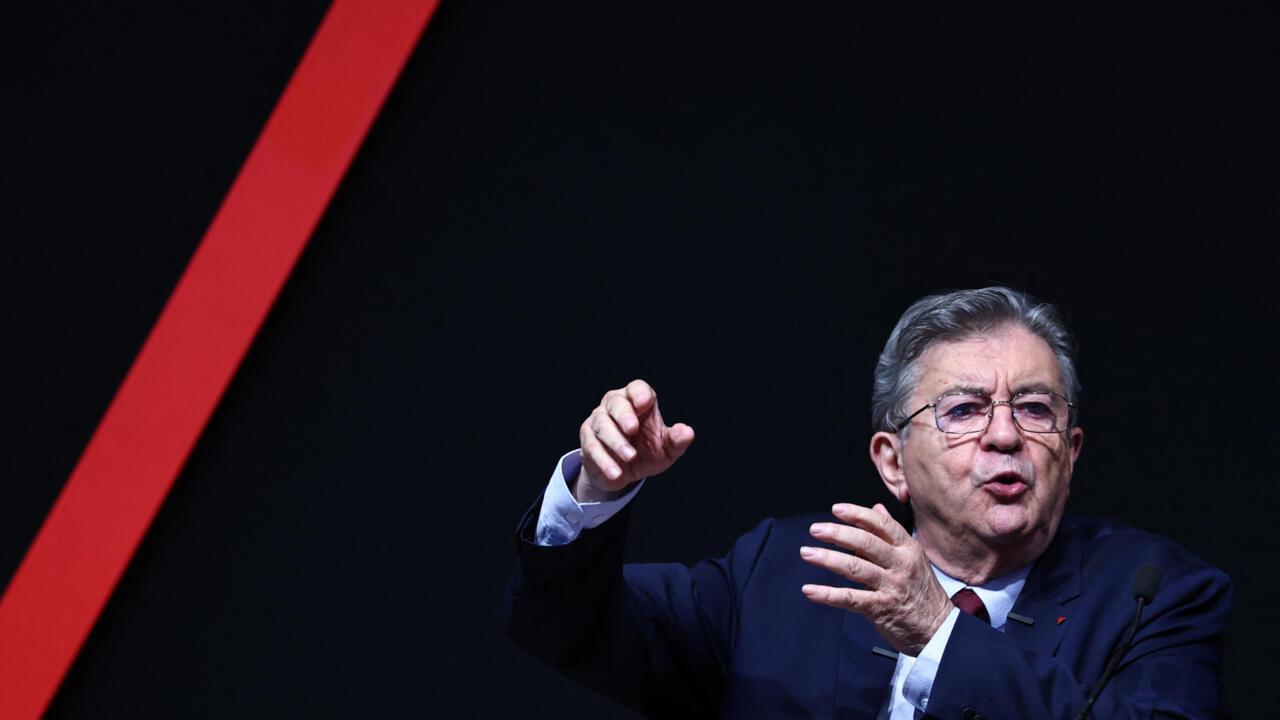
France’s government and La France insoumise have fought a narrative battle over the high school movement, with the government targeting the Insoumis for their role in the movement and in disturbances of recent days while La France insoumise responds with a counter-narrative on police violence. Political scientist Bruno Cautrès, a researcher at Sciences Po’s Political Research Center (Cevipof), said, “If there is a great mobilization, with a lot of people supporting the youth, it will no longer be the same story for the government,” as Jean-Luc Mélenchon sought to make protection of youth the central element of the October 6 mobilization day.
Matignon stated on Thursday, October 1 that the Insoumis were “at the origin” of the high school movement that shifted toward “urban violence,” and the Prime Minister’s services denounced it as “a maneuver organized by LFI and its ultra-left proxies.” The Paris police prefect, Patrice Faure, took the matter to court against Bally Bagayoko for “alleged acts of incitement to commit a crime,” after the mayor’s comments presented “the violent reaction as a potentially understandable or legitimate response.”
Arrests, injuries, and school closures
France braced for nationwide demonstrations on Tuesday as union leaders vowed to join high school students who had spent two weeks blockading their schools over understaffing, overcrowded classrooms, and dilapidated buildings. France’s prime minister, Sébastien Lecornu, said the government had announced measures to address demands, but the Union Syndicale Lycéenne (USL) said the government had offered “nothing concrete,” and the organization called on people to join its mobilisation on Tuesday in the face of “this political deadlock and what we describe as unprecedented repression of the movement.”
Education Minister Édouard Geffray said 24 schools had been “burned and ransacked” since the start of the student movement, and he described Tuesday’s mass mobilization as a test of the longevity of a movement that began last month in a single school in the suburbs of Paris. The French Interior Ministry announced the arrest of 984 people on Monday as part of the high school student protests, while French Minister of National Education Idwar Joufri said 589 educational institutions had witnessed student protests on Monday and the government said more than 5,000 people had been detained, most of them minors.