Europeupdated 2h ago2 min read
French Police Fire Tear Gas And Water Cannons As 266,000 Protesters Demand More Education Funding
Police fired tear gas and water cannons during nationwide protests demanding more education funding. Over 250,000 people joined protests; organizers claimed up to 450,000.
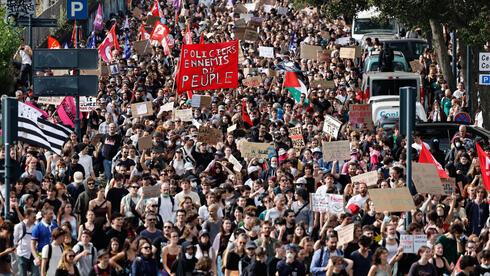
Macron faces school unrest
French police fired tear gas to control crowds in Paris and elsewhere in France on Tuesday as more than a quarter of a million people rallied nationwide for high school students demanding more education funding. Interior Ministry figures put participation at 266,000 people across the country on Tuesday, including 56,000 in Paris, where small groups of protesters clashed with riot officers at a city square at the end of a largely peaceful march. Riot-control violence escalated as police used tear gas and water cannon in Rennes, while demonstrators waved flags and placards in cities including Marseille and Strasbourg.
Laurent Nuñez said the police response had been proportionate in "almost all cases" and that the protests had at times turned into riots, requiring police intervention. Sébastien Lecornu said the government and school leaders must listen to students' concerns and find solutions as the protests increased pressure on the administration of outgoing President Emmanuel Macron.
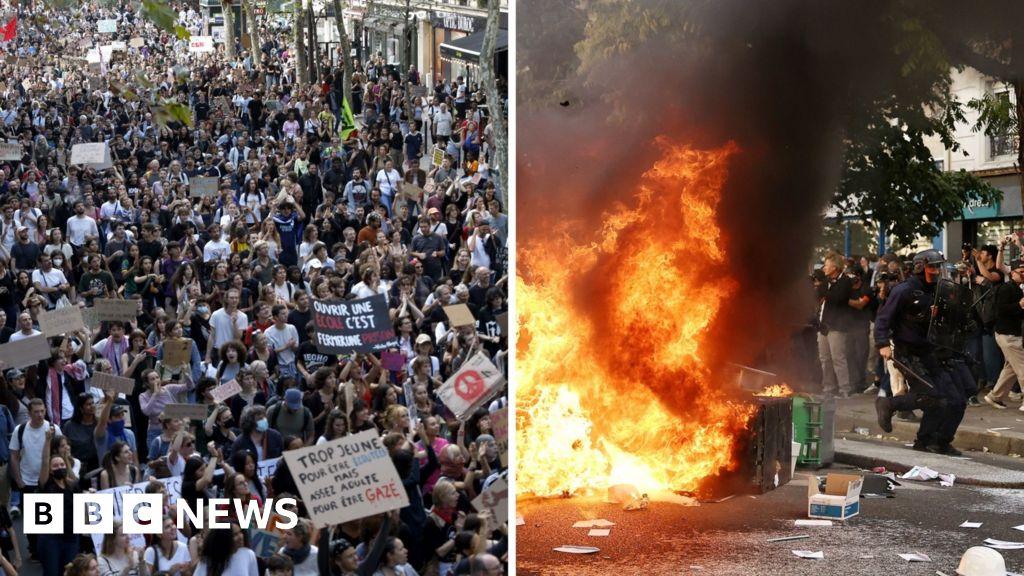
Detentions and injuries mount
The Interior Ministry estimated that 266,000 people took part in demonstrations across the country on Tuesday, and the ministry said nearly 500 people were detained Tuesday.
Hugo Vetzel said in Strasbourg, "There is such a gap between the elites and us," as police fired tear gas and water cannons at protesters blockading French high schools.

Sébastien Lecornu told lawmakers that at least 215 teenagers and 85 school staff had so far been injured in clashes, and his office said more than 700 police officers were also hurt.
The protests also produced severe injuries, as a 15-year-old boy lost a hand Monday in an incident involving a police stun grenade.
Jean-Luc Mélenchon said, "All the young people are in the streets. Everywhere there aren't police, everything is going smoothly," as the far-left France Unbowed presidential candidate backed the protests.
Government response and stakes
Prime Minister Sébastien Lecornu ordered ministers to tackle students' leading demands, including ensuring absent teachers are replaced, reviewing the length of the 8 a.m. to 6 p.m. school day, and providing longer lunch breaks. The government also said it would look at repairs needed to aging school buildings, and Lecornu demanded ministers send in their first proposals by the end of October. Lecornu denounced "ultra violence" threatening schools in parliament, while he pledged that any "accidents" would be investigated and described allegations that the police are racist as a "lie."
The protests have become a flashpoint in the early days of the presidential election campaign, with more than 6,500 arrests, mostly of minors, cited as the policing intensified. Léa Monimart said, "We need to listen to them," as she argued the 17-year-old protesters were "not completely clueless" and knew what they were talking about.