Crimeupdated 1h ago3 min read
Archive photo · 6 July 2025International Military Tribunal Opens Nuremberg Trial of Leading Nazi Officials on Nov. 20, 1945
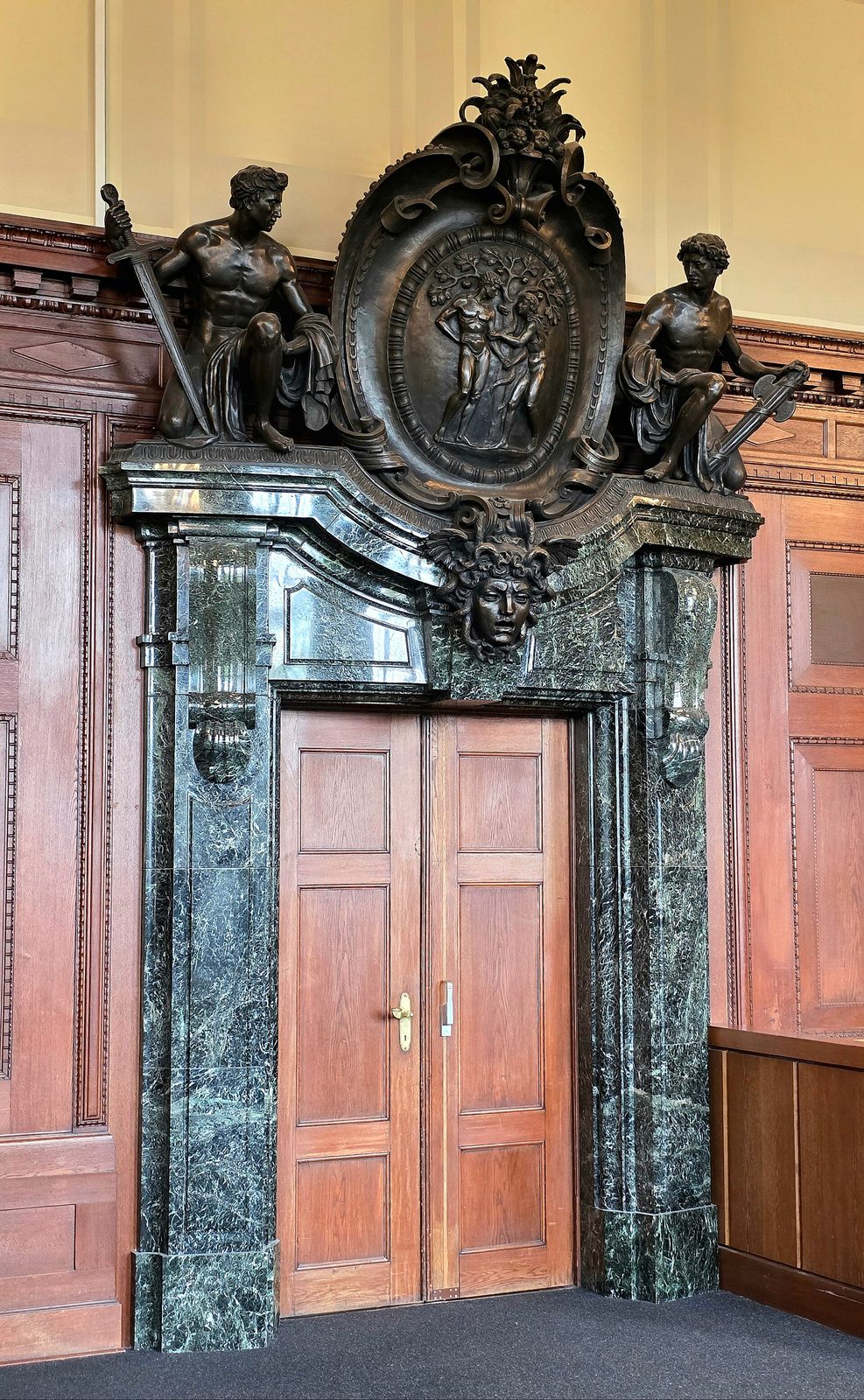
3 Western Mainstream1 Local Western1 Western AlternativePhoto: JensKunstfreund, CC BY-SA 4.0 · Cropped for layout
This article is an automated aggregation of coverage from news outlets. Our editorials offer in-depth analysis curated by the NewsCord team.
The International Military Tribunal opened in Nuremberg on November 20, 1945 to try Nazi officials. It established individual accountability for leaders in war crimes and crimes against humanity.
Save coverage image
5 outlets in this story. Read their headlines below.
Nuremberg Trials, Nov. 20, 1945
The International Military Tribunal opened the trial of leading Nazi officials in Nuremberg, Germany on Nov. 20, 1945, with the accused filing by threes into the court room in the Palace of Justice thirty minutes before the convocation.
“The International Military Tribunal opened the trial of leading Nazi officials in Nuremberg, Germany.”
Kathleen McLaughlin’s front-page account described “Four of the world’s great powers” sitting in judgment on “twenty top Germans” charged with major responsibility for plunging the world into World War II.
The Sud Ouest ephemeris placed the Nuremberg trial’s opening within a longer procedural timeline, noting that an inaugural session was held in Berlin on October 18, 1945 for reading of the indictment.
The Sud Ouest ephemeris also stated that preliminary hearings took place in Nuremberg on November 14, 15 and 17, 1945, preparing the conduct of the foundational trial that would last nearly a year.
The New York Times framing emphasized that the trial helped establish that national leaders could be held individually accountable for war crimes and crimes against humanity.
Accountability, evidence, and hate
Dr. Bill Tinglin, a Holocaust historian who sat on a panel at the Museum of American Armor in Bethpage, said, “We must hold people accountable [even if] they have uniforms or they’re doing things that they said they were led by their government to do,” linking the lesson to how Nuremberg defendants were held accountable.
Joshua Liebman, a partner with the Garden City-based law firm Rosenberg, Calica, Birney, Liebman & Ross, participated in the panel discussion that focused on “ways to make sure something like the Holocaust is never repeated.”
Museum spokesperson Gary Lewi wrote in an email to Newsday that he was “citing ‘today’s events that are happening out there with swastikas on synagogues.’”
The Anti-Defamation League figure in the Newsday account put antisemitic incidents nationwide in 2024 and 2025 combined at roughly 16,000.
Retired U.S. Army Col. Jason Halloren, the museum’s senior trustee, said the trials set an international legal foundation “for holding people accountable,” and he added that allowing the creation of a perception that a certain population is evil to go on is “criminal in nature.”
Nuremberg’s reach and today’s links
The New York Times excerpt described how the accused filed into the court room in the Palace of Justice “thirty minutes before the convocation of the International Military Tribunal,” and it said they spent “five and one-quarter hours” listening to preliminary formalities laying groundwork for the prosecution. Sud Ouest stated that the trial was initiated by the Allied powers, naming the United States, the United Kingdom, the USSR, and France, and it said the defendants were to answer four counts including “crimes against humanity.” Eurasia Review’s book review of “The Nuremberg Women” said Natalie Livingstone addressed “the part played by some women in the prosecution of the Nazi leaders responsible for the war crimes, crimes against humanity and genocide.”
“The defendants, including Hermann Göring and Rudolf Hess, were to answer four counts: conspiracy, crimes against peace, war crimes, and, for the first time, crimes against humanity.”
Eurasia Review listed eight women connected to the trials, including Marie-Claude Vaillant-Couturier, described as “the French Resistance member and Auschwitz survivor,” whose testimony “described the concentration camps and the systematic extermination of their victims.” Newsday’s panel discussion at the Museum of American Armor in Bethpage connected Nuremberg’s legacy to contemporary antisemitism, with Gary Lewi citing “today’s events that are happening out there with swastikas on synagogues.”