
Europe · updated 4h ago · 2 min read
Friedrich Merz Rejects Leadership Challenge After CDU Loses Mecklenburg-Vorpommern Vote to AfD
AfD tops Mecklenburg-Vorpommern; CDU fails to enter parliament (misses 5%). Merz rejects leadership challenge and pledges to stay on as chancellor.
Whether Merz will leave office soon.
9 of 11 outlets skipped it: merz makes an unusually early TV address minutes after exit polls.
32outlets compared
Same story, two versions
tap a side to read it in full
Euronews
“The AfD predicted on Monday that Chancellor Friedrich Merz will be out of office before the end of the year”Read the original ↗
BBC
“Merz calls state election a 'disaster' for his party but vows to stay in post”Read the original ↗
BBC frames Merz as staying in post despite defeat, while Euronews highlights AfD claims he will be out before year end.
Merz vows to stay
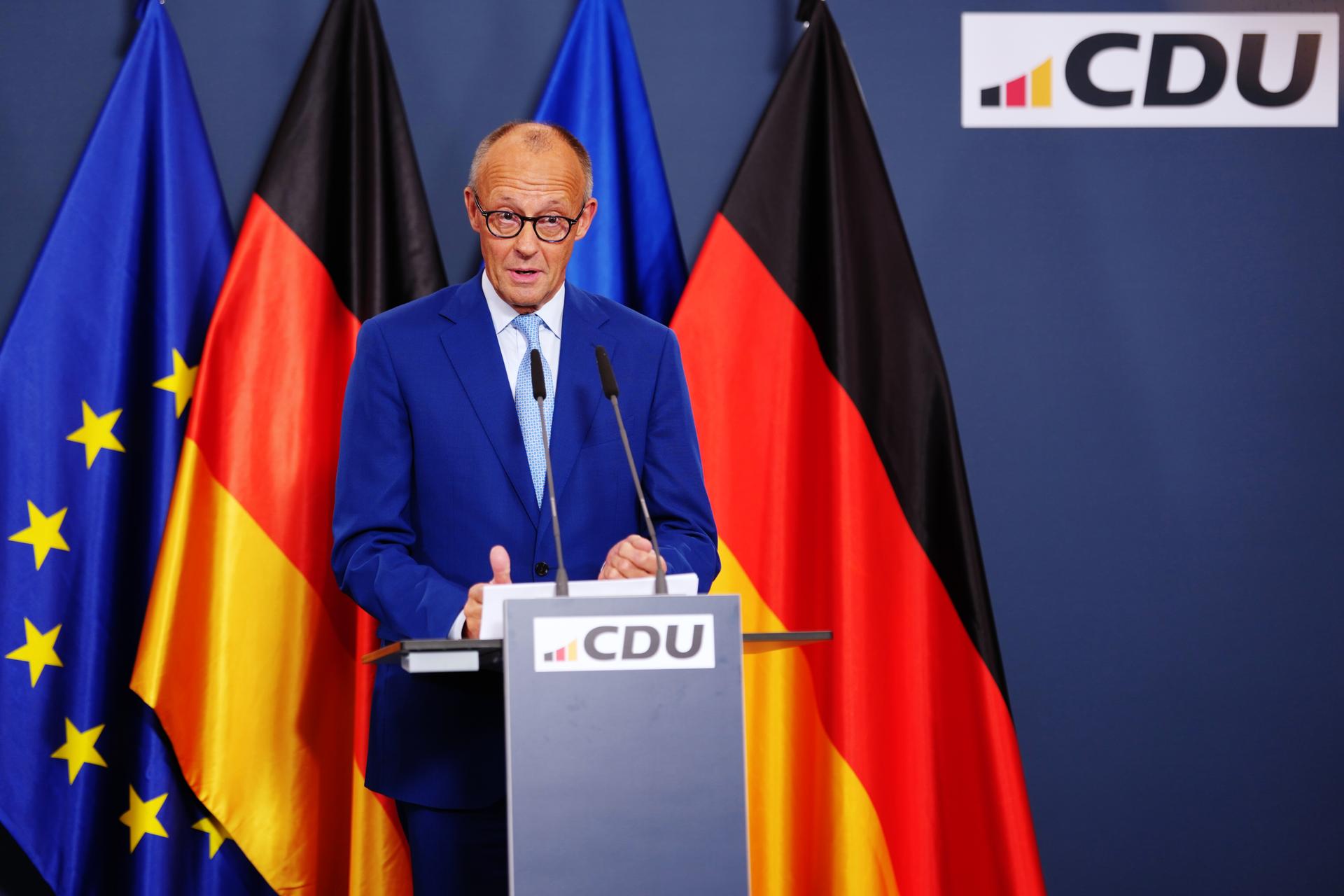
German Chancellor Friedrich Merz called his party’s state election defeat in Mecklenburg-Vorpommern a "heavy blow" while ruling out any internal leadership challenge, and he said there had been "no personnel debate" about his leadership. Merz said the CDU failed to provide satisfactory answers to public concerns, and he dismissed allegations of an internal rebellion as he spoke at a press conference in Berlin. The CDU secured only 4.9 percent of the vote in Mecklenburg-Vorpommern and failed to enter the state parliament for the first time, while the far-right Alternative for Germany (AfD) won with 38.2 percent and the Social Democratic Party (SPD) took 35.5 percent.
Merz also pointed to the SPD’s intention to stick with the coalition in Berlin, and he said the two parties would discuss the path forward for their cooperation. The Guardian described Merz as vowing to keep his fractious coalition government together for the good of the country’s "democratic future" after his conservative party suffered a drubbing at the polls in two state elections.

AfD presses for change
AfD co-leader Alice Weidel told the BBC how long Merz has left in office, replying, in English, "Pretty soon, he's going to leave". Merz insisted on Monday that the reforms have to come, and he told reporters, "The reforms have to come," as he said he was taking on responsibility to move the country forward. In Mecklenburg-Vorpommern, the BBC reported that the CDU fell short of a 5% threshold to enter parliament, while it said the AfD was on track to win the most votes but was unlikely to govern as other parties refuse to work with it.B
In Berlin, the BBC said the ruling CDU was on course to be beaten by Die Linke, and it described Merz as under mounting pressure after months of poor approval ratings. BEuronews said Friedrich Merz called the result a "disaster" and quoted him saying his party had been "pushed aside" as the competition narrowed to a duel between the SPD and the AfD.E
Coalition math and risk
In Berlin, Die Linke led with 25.7% of the vote in the Infratest dimap projection, while the CDU finished second with 18.8% and the AfD placed third with 16.3%, according to Euronews. EEuronews said the CDU suffered heavy losses in both states and that the result meant the former CDU-SPD coalition in the capital no longer holds a majority. EIn Mecklenburg-Vorpommern, Euronews said the AfD led with 38.2% and the SPD trailed at 35.5%, while it said the CDU recorded its worst result in the state’s history with only 4.9%.E
The Guardian reported that the AfD’s leaders predicted Merz would be out of office in months as they set their sights on securing victory at the next federal election in 2029. NPR said Merz conceded that the night spells "disaster" for the political center, but it said he assured the public he would push ahead with his federal agenda of tax and welfare reforms, describing them as "the antidote to the poison of authoritarianism."