Europeupdated 59m ago2 min read
Archive photo · 5 October 2016Óscar Puente Resigns as Spain Transport Minister After Urda Train Crash Kills 69
“removes one of Sánchez’s most prominent political allies less than four weeks before Spain’s general election on 29 November.”
“Many observers see the accident as a massive electoral setback to the Socialist-led government”
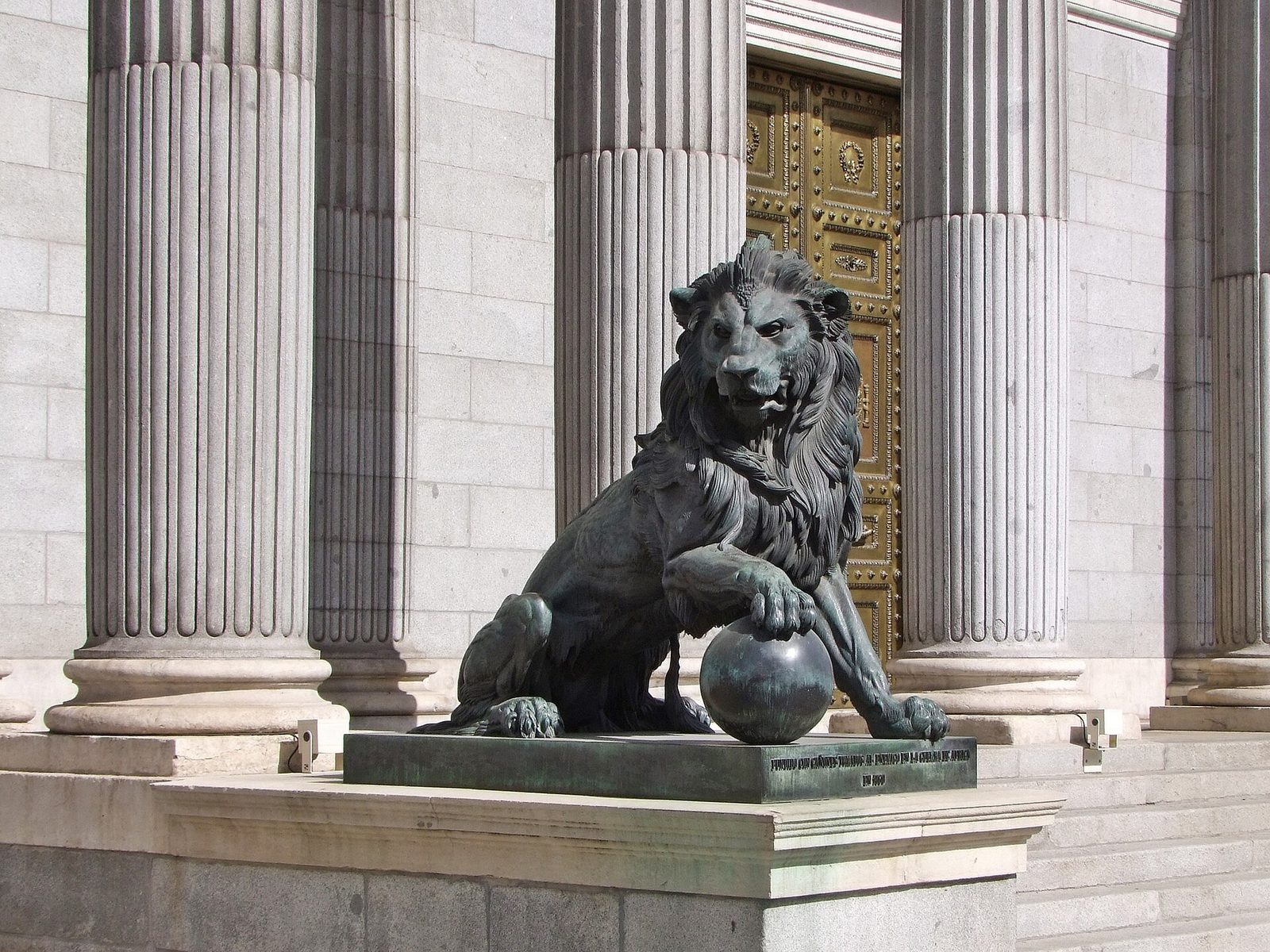
Photo: Alta Falisa, CC BY-SA 4.0 · Cropped for layout
This article is an automated aggregation of coverage from news outlets. Our editorials offer in-depth analysis curated by the NewsCord team.
Puente resigns as Spain's transport minister after Urda train crash killing 69. Resignation announced in Congress after six days of the disaster.
Save coverage image
Puente resigns after Urda
Spain’s Transport Minister Óscar Puente resigned after the Urda railway accident in Toledo that killed 69 people, and the resignation came as Prime Minister Pedro Sánchez faced a deepening political crisis less than four weeks before Spain’s general election on 29 November. Sánchez said Puente “assumed his responsibility out of empathy with the victims and to restore confidence in the rail system,” and he added that Puente later opened “an investigation to clarify what the origins and causes are.”
Carlos Cuerpo provisionally assumed responsibility for the Transport Ministry, and the government confirmed the departure of Luis Pedro Marco de la Peña, chairman of Adif. Puente told lawmakers, “A transport minister in a country like Spain cannot continue in office with two accidents of this severity in less than a year,” and Puente also withdrew his name from the list of parliamentary election candidates.
Parliament, pressure, and procedure
Puente’s last hours unfolded as he appeared before Congress and then addressed the chair designated for the witness, with the question “Are you going to resign?” hanging over the hallway. Puente told the Permanent Diputación, “A minister of transport in a country like Spain cannot remain in office with two accidents of this gravity in less than a year,” and it quoted him adding “political dignity and empathy with the victims.”
Carlos Cuerpo met with the chair of Adif, Luis Pedro Marco de la Peña, who presented his resignation to him, and Cuerpo clarified the decision was “wise” in light of the “need to start a new phase and restore confidence in the railway system.” Sánchez demanded explanations from Feijóo after an audio in which Koldo García claimed he agreed with the PP’s lawyer to pay one million euros in exchange for information to bring down Sánchez himself.
What changes next
Puente presented new rail safety measures that included plans for control center software to issue automatic alerts and an AI agent for system oversight to “minimize the possibility of human error.” Investigators were examining the circumstances of two fatal accidents on the Madrid–Seville high-speed line, including the October 28 collision near Urda and an earlier disaster in January near Adamuz in Córdoba province that killed 46 people.
Sánchez praised UN Secretary-General Antonio Guterres, describing his work as “the last great voyage of his mandate” at the helm of the organization, which will be replaced in 2027. Carlos Cuerpo announced that on Thursday he will meet with the railway unions to urgently address the conflict in the sector, as the political campaign continued ten days into its start.