Technology and Scienceupdated 1h ago3 min read
MapHackers Program French Blood Storage To Heat To 110°C, Authorities Say No Samples Compromised
7 Western Mainstream3 Local Western1 Asian2 Other source typesMap: © OpenStreetMap contributors, ODbL · Cropped for layout
This article is an automated aggregation of coverage from news outlets. Our editorials offer in-depth analysis curated by the NewsCord team.
Cyberattack hit EFS cold storage at three French blood bank sites. Hackers tried to raise temps to 110°C; no blood products compromised.
Save coverage image
Blood cold rooms heated
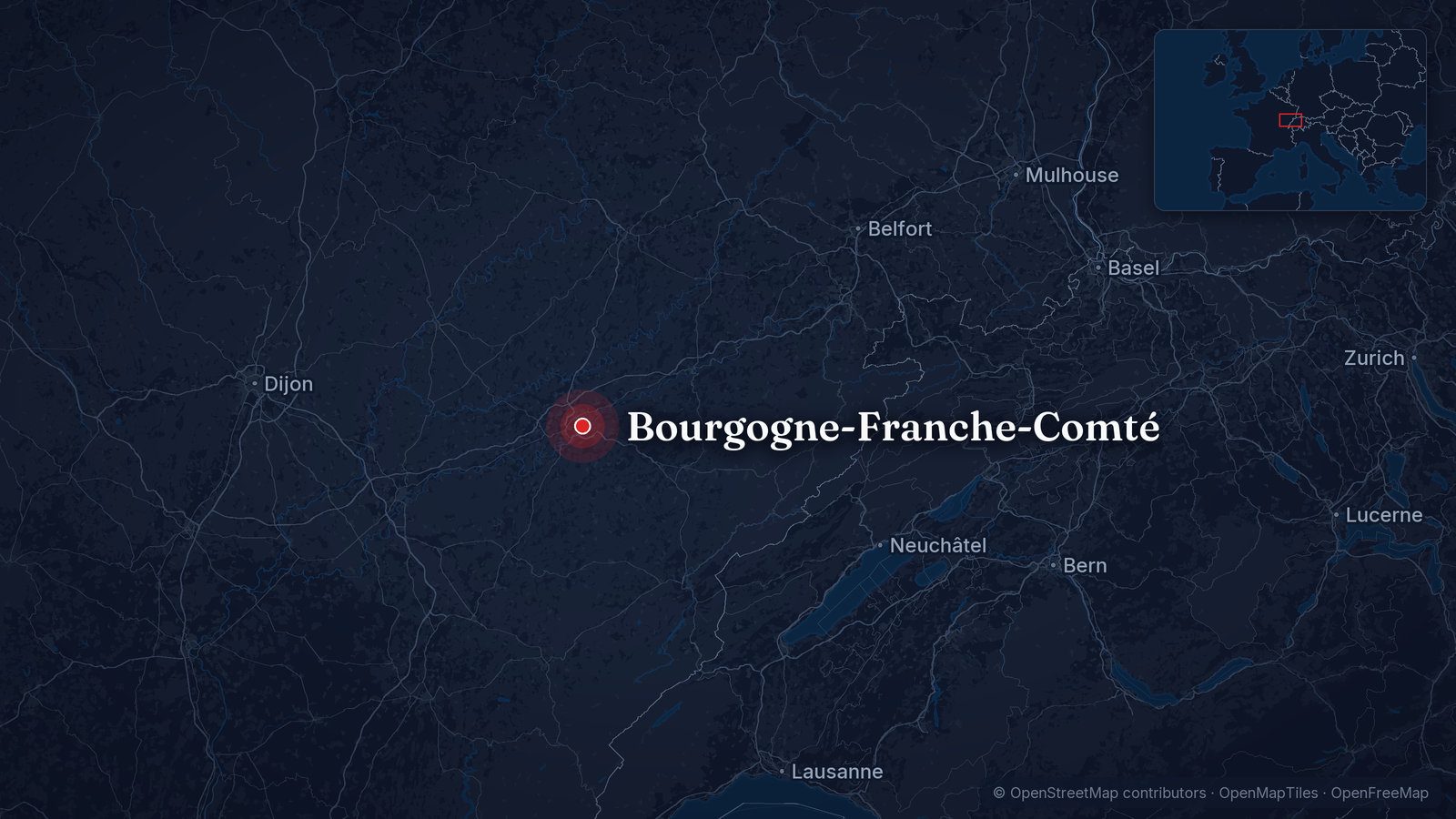
French authorities said a cyberattack targeted cold storage facilities used by France's national blood service, with hackers programming units containing blood samples to reach temperatures of 110 degrees Celsius. The French Blood Establishment said “temperature and defrosting thresholds were raised to extremely high levels” on Monday at three of its cold-storage sites for plasma, but monitoring systems detected the problem in time so that “no blood products or samples were compromised.” Le Canard Enchaîné reported that the attack occurred overnight from Sunday to Monday and targeted Coolworld, a company responsible for maintaining storage containers for the French Blood Establishment, including in the Bourgogne-Franche-Comte region.
The EFS said the storage units were normally maintained at minus 30 degrees Celsius to preserve donor blood samples, and it said the products stored were bags of plasma intended for transfusions and plasma used to manufacture medicines. Coolworld said it “is aware” of the cybersecurity incident and said the vulnerability “was outside Coolworld’s direct control.”
Honeypots and shifting theories
The BBC reported that French authorities said fridges used in medical facilities to store blood for donations were impacted by recent cyber-attacks by unknown hackers, but staff intervened to protect blood supplies. The EFS told the BBC that “No health impact has been identified and no loss of blood products is to be reported,” and the BBC said rumors circulated online about Russian hacktivist groups claiming they worked together to hack one of the systems used in the attacks. Ryan Dewhurst from Spanish cyber-security company Previdian told the BBC that “The fact that all these fridge freezers were hit simultaneously suggests planning and coordination,” while the BBC said three separate cyber-security firms deployed honeypots to monitor how hackers attempted to use them.
Lupovis founder Dr Xavier Bellekens told the BBC that “We saw none of our honeypots in places like Africa or South America targeted at all,” and he said even pots in Ukraine were left alone. A Sekoia spokesperson told the BBC that “To date, we have no technical evidence indicating the involvement of Russian-speaking groups,” and the spokesperson said the team remained sceptical of NoName057’s alleged claim of responsibility.
Cold chain continuity
The Guardian said France’s national blood service (EFS) reported hackers accessed control systems and boosted temperatures at three cold stores stocking vital blood products, and it said alarm systems allowed technicians to intervene before the products were compromised. The EFS said temperature and defrosting thresholds had been raised to “very high levels,” and it said products stored in the affected rooms, including plasma bags for transfusions and medicine manufacturing, had been moved to other sites. The Guardian said the EFS is France’s public blood transfusion operator, collecting, testing, preparing and distributing products such as blood, plasma and platelets to more than 1,900 hospitals around the country.
The Guardian reported that in a wave of attacks in France last month, hackers seized control of cooling units in as many as 700 supermarkets, and it said the EFS attack came as supermarket refrigeration systems in almost a dozen European countries soared as high as 50C (122F). France’s Health Ministry said the situation was “under control” and “being closely monitored,” and it said the safety of blood supplies was preserved “thanks to the facilities' monitoring and alarm systems, as well as precautionary measures immediately implemented.”