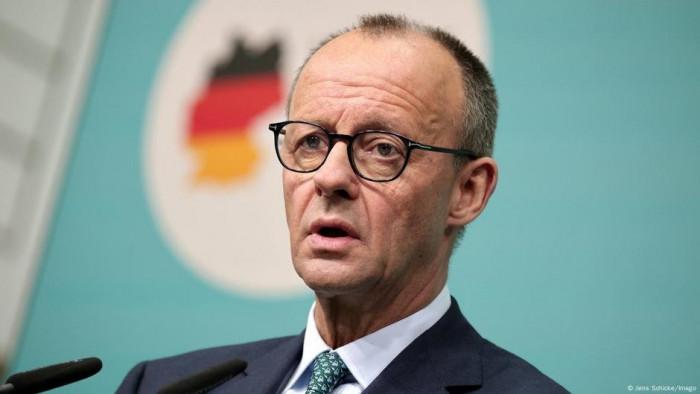
Friedrich Merz Seeks Sanctions Relief For Iran If Strait Of Hormuz Stays Open
Key Takeaways
- Merz, Germany's chancellor, seeks sanctions relief for Iran contingent on a comprehensive agreement.
- Merz opposes lifting Russian oil sanctions, urging maintained pressure on Moscow.
- Financial Times reports Russia benefits from Middle East war via oil sanctions relief.
Sanctions, ceasefire, and conditions
A live-ticker account from DIE WELT says the fragile ceasefire between Israel and Hezbollah was “on the brink of ending,” and it ties that moment to a new U.S. move: “Now Trump announces an extension.”
“The fragile ceasefire between Israel and Hezbollah stood on the brink of ending”
In that same account, Chancellor Friedrich Merz “envisions sanctions relief for Iran — under certain conditions,” and it places the discussion at an EU summit in Cyprus.
DIE WELT reports that Merz signaled “the easing of some sanctions against the country” if there is a “comprehensive agreement” with the United States.
The conditions, as Merz laid them out after the EU summit, include “the permanent opening of the Strait of Hormuz,” “the end of Iran's nuclear program,” and that “Israel must no longer be threatened.”
The article adds that Merz said there must be “a quick, clear understanding for free navigation through the Strait of Hormuz,” and it notes that “we are not there yet, the chancellor conceded.”
DIE WELT also says EU heads of state and government in Cyprus discussed the Iran war with “representatives from the Middle East and the Gulf region.”
Diplomacy in motion
Beyond sanctions, DIE WELT’s live ticker describes Iran diplomacy as actively moving through regional capitals.
It says: “Iran's foreign minister apparently travels to Pakistan,” adding that Iran’s Foreign Minister Abbas Araghtschi travels “for talks,” accompanied by “a small government delegation.”

DIE WELT reports that “two Pakistani government officials said” Araghtschi would arrive in Pakistan later on Friday, and that IRNA confirmed the trip.
The same account says Araghtschi would also travel to Oman and Russia, with the focus described as “the 'situation related to the war waged by the United States and Israel against Iran.'”
The article also frames Pakistan’s role by saying “Pakistan has been seeking for some time to restart talks between Iran and the United States.”
In parallel, DIE WELT says “Iran negotiations, according to US insiders, are endangered by Trump's threats,” and it links that risk to “provocative social media posts by Donald Trump.”
It quotes the content of those posts as part of the diplomatic pressure, including that Trump said he could “blow up the rest of your country” and “send it back to the Stone Age.”
Nuclear rhetoric and U.S. signals
DIE WELT’s live ticker also includes direct U.S. statements about nuclear weapons and frames them alongside earlier threats.
“The German chancellor, Friedrich Merz, strongly criticized the United States' decision to grant temporary exemptions for purchasing Russian oil, describing them as "a completely wrong step" for any reason, and emphasizing the need to increase pressure on Moscow rather than easing it”
It reports that “US President Trump rules out the use of nuclear weapons,” and it gives Trump’s response to reporters: “No, I would not use it, Trump told reporters at the White House.”
The same passage says Trump argued, “Why should I use a nuclear weapon if we could defeat them entirely by conventional means without decimating them?” and it adds that “A nuclear bomb should never be used by anyone, the president clarified.”
DIE WELT then recalls that Trump “sparked widespread outrage on April 7 with a drastic threat against Iran,” quoting: “An entire civilization will die tonight and never come back to life,” Trump warned.
It also brings in Vice President J.D. Vance, stating that “Vice President J.D. Vance, in turn, said the United States has tools in the toolbox whose use we have not yet decided to employ in the conflict with Iran.”
The article says the White House “subsequently denied that Vance had threatened the Iran with the use of nuclear weapons.”
In the same live ticker, DIE WELT notes that U.S. threats and “provocative social media posts” were harming “ongoing talks with mediators such as Pakistan,” according to “two US officials familiar with the matter.”
Strait of Hormuz and oil sanctions
While the DIE WELT ticker focuses on Iran, the other sources connect the Strait of Hormuz to broader sanctions and shipping constraints.
Al Jazeera’s Arabic-language report (الجزيرة نت) says Merz criticized the United States’ decision to grant “temporary exemptions for purchasing Russian oil,” calling it “a completely wrong step” and arguing for “the need to increase pressure on Moscow rather than easing it.”
It says Merz asked about the “real motives” behind the U.S. decision and noted that “six of the G7 countries had expressed explicit opposition to any easing of sanctions during a meeting held last week.”
The same report says Merz rejected any justification for providing Russia a “financial lifeline,” and it also addressed sea routes by confirming that “there is no reason for Germany to consider providing military protection for the Strait of Hormuz or to participate in naval alliances there.”
“Germany is not a party to this war, and does not wish to become one,” Merz said, and the report adds that Berlin prefers to focus on “economic stability and energy security away from direct military involvement in the US–Israeli conflict against Iran.”
In parallel, the Financial Times account carried by الجزيرة نت says the war in Iran diverted U.S. attention from Ukraine talks and that Russia benefited from “lifting U.S. sanctions on Russian oil.”
That same report states that the U.S. Treasury Department issued “a temporary 30-day license” allowing countries to buy Russian crude oil shipments and petroleum products stranded at sea, citing a move aimed at easing pressure on global supplies as “navigation through the Strait of Hormuz has nearly halted.”
It adds that American officials told European counterparts “there would be no further sanctions on the Russian oil industry,” and it quotes Macron saying closing the Strait of Hormuz “in no way justifies lifting sanctions on Russia.”
European reactions and competing frames
The sources also show how European leaders and outlets frame the same strategic environment—Iran, sanctions, and shipping—through different lenses.
“The Financial Times reported that the war in the Middle East diverted the attention of the administration of U”
DIE WELT presents Merz as linking any sanctions easing for Iran to concrete conditions, saying the chancellor’s approach depends on “the permanent opening of the Strait of Hormuz” and “the end of Iran's nuclear program,” while also insisting that “Israel must no longer be threatened.”
In contrast, the Financial Times reporting relayed by الجزيرة نت emphasizes that the Iran war has produced spillover benefits for Russia, describing it as “has given Russia an unexpected lifeline” and tying that to “oil prices rose” and “additional profits estimated at about $150 million a day.”
The same report says the U.S. Treasury Department issued a “temporary 30-day license,” and it frames the rationale as easing pressure on global supplies because “navigation through the Strait of Hormuz has nearly halted.”
It then adds that Merz “quickly criticized the American decision” during a visit to Norway on Friday, saying, “Relaxing the sanctions now, for any reason, is wrong. We believe this is the wrong path.”
Macron’s position is also quoted in this account, with Macron saying closing the Strait of Hormuz “in no way justifies lifting sanctions on Russia,” and it places that statement after a “virtual meeting of G7 leaders.”
Taken together, the reporting creates a contrast between a conditional sanctions-relief pathway for Iran described by DIE WELT and a sanctions-relief pathway for Russia described by الجزيرة نت, with Merz opposing the latter while supporting the former only under specified terms.
The same DIE WELT ticker also includes a separate U.S. diplomatic signal about Iran’s presence in sports, reporting that “No one from the United States has told them they cannot come,” as U.S. Secretary of State Marco Rubio said regarding the Iranian national team at the World Cup.
More on Iran

Trump Administration Sanctions Hengli Petrochemical And 40 Shippers Over Iranian Oil
16 sources compared

Iranian FM Abbas Araghchi Visits Pakistan as US-Iran Ceasefire Talks Stall
16 sources compared
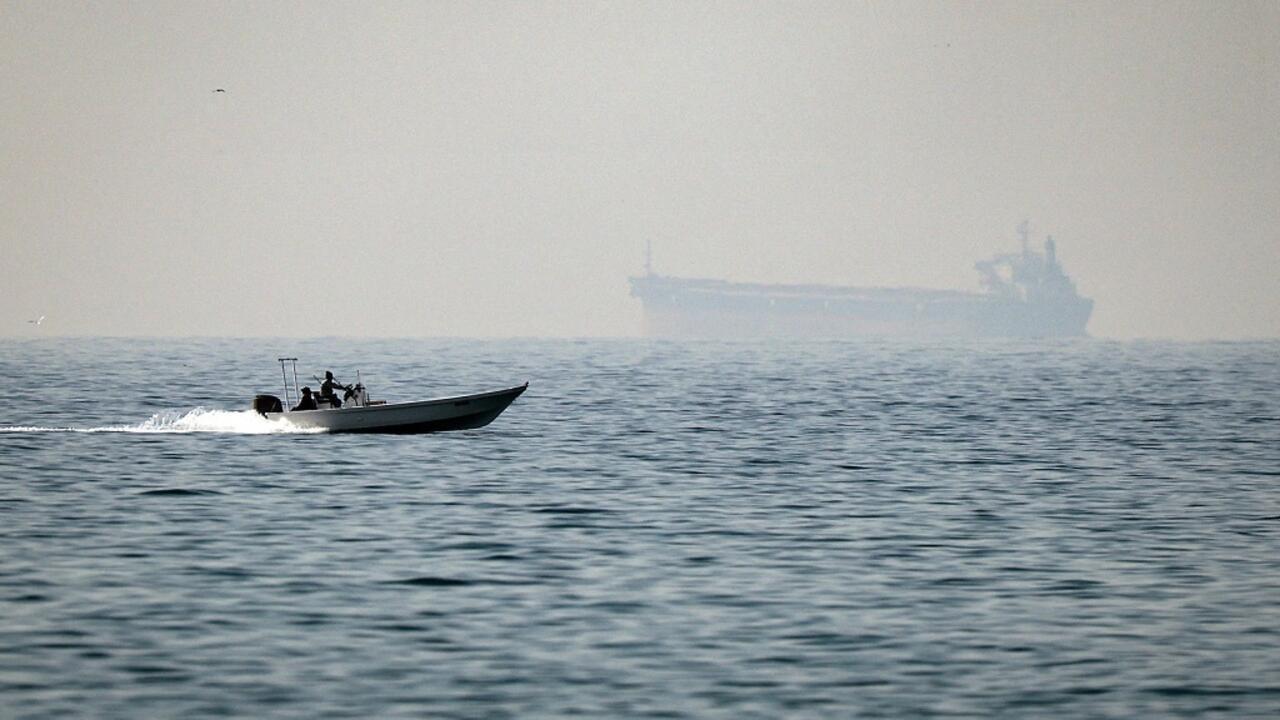
U.S. Naval Blockade of Iranian Ports Pressures Tehran in Strait of Hormuz Standoff
14 sources compared
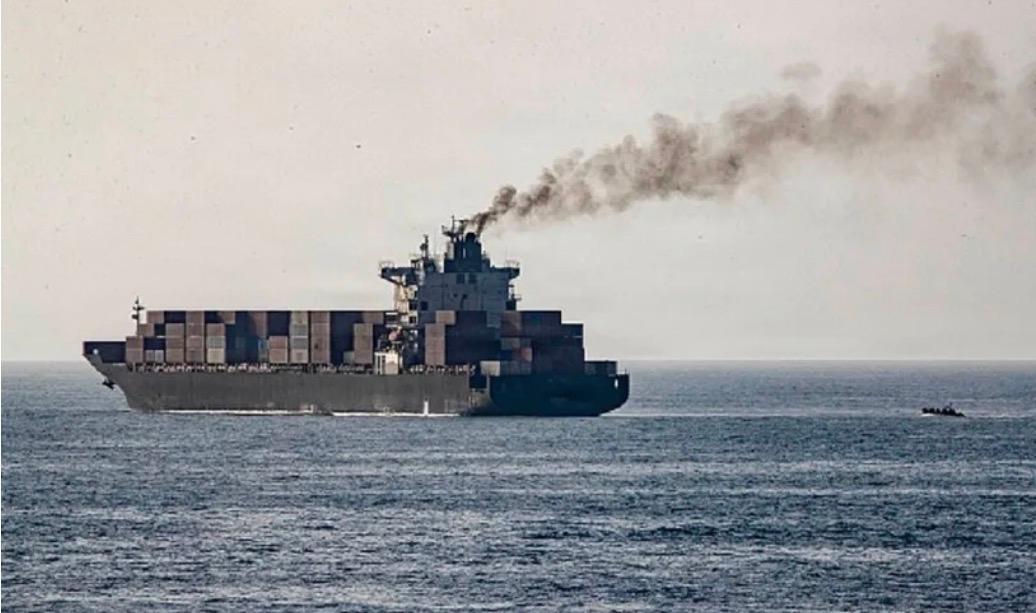
Iran Grants Russia Strait Of Hormuz Transit Fee Exemptions, Ambassador Kazem Jalali Says
16 sources compared