U.S. Naval Blockade of Iranian Ports Pressures Tehran in Strait of Hormuz Standoff
Key Takeaways
- U.S. naval blockade of Iranian ports is inflicting significant economic pressure on Iran.
- Hormuz remains central, with blockade threatening about 20% of global oil shipments.
- Analysts disagree whether blockade will topple Iran's economy or provoke resilience.
Blockade and Economic Attrition
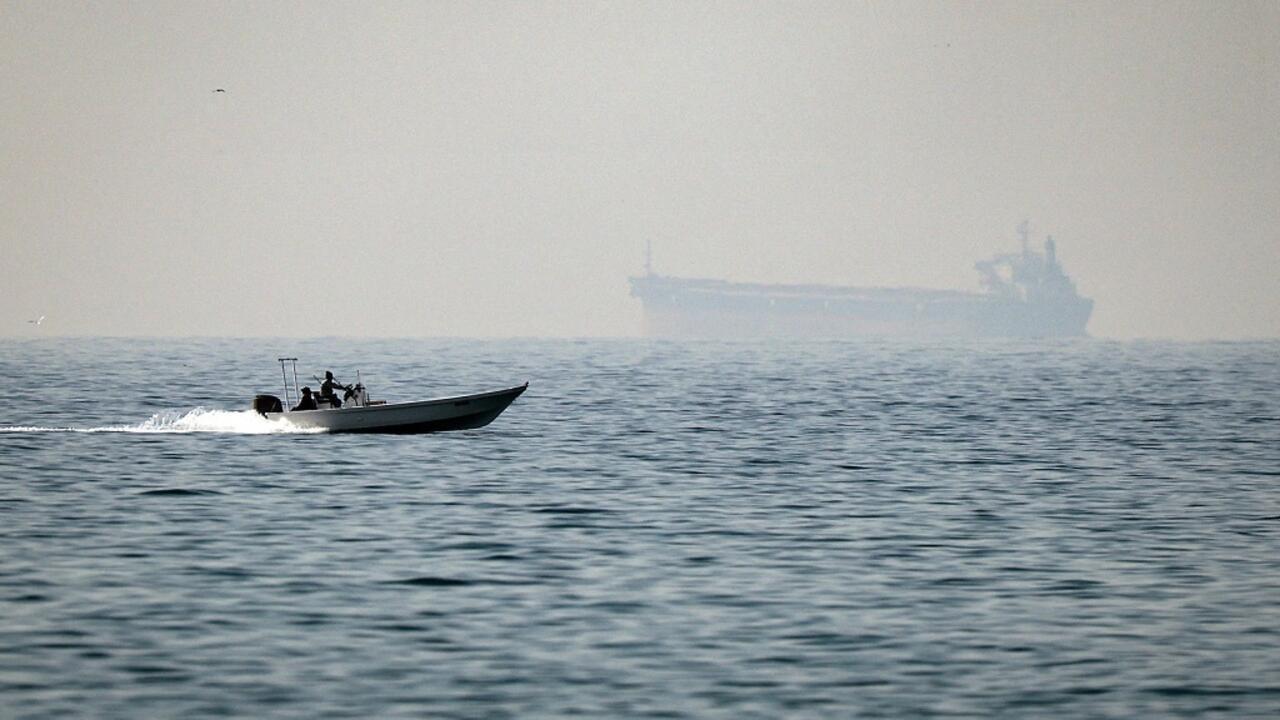
The United States’ naval blockade of Iranian ports has become the central instrument of pressure in the standoff over the Strait of Hormuz, as multiple outlets describe a shift from battlefield dynamics to “economic attrition.”
“United States President Donald Trump has claimed Iran is “collapsing financially” and said the country is losing millions of dollars a day due to Washington’s naval blockade of Iranian ports”
El País frames the change as Washington choosing “economic attrition” by “pressuring Iranian maritime trade with the aim of forcing Tehran to withdraw,” after earlier efforts to reopen the strait failed through force or diplomacy.

Al Jazeera reports that the blockade began at 14:00 GMT on April 13, and that the U.S. has “fired on and seized an Iranian-flagged tanker near the Strait of Hormuz” while redirecting ships carrying cargo to or from Iran.
MS NOW similarly describes a “race” in which “President Donald Trump is using a U.S. naval blockade to slowly strangle Iran’s economy,” while Iran bets that closing the strait will send oil prices soaring.
Foreign Policy characterizes the situation as an “economic war of attrition,” saying “the United States is continuing its blockade of Iranian ports” and that Tehran calls it “a cease-fire violation.”
PBS adds that Iran’s leverage over the strait gives it power during “a shaky ceasefire,” because “the widening economic risks” could force the Republican president to end the blockade on Iran’s ports and coastline.
Across the reporting, the blockade is tied to the same strategic objective: to force concessions by tightening the flow of oil and other goods through the chokepoint that outlets describe as vital to global energy.
Timeline, Claims, and Counter-Blockades
The reporting lays out a timeline in which the U.S. blockade and Iran’s closure of the Strait of Hormuz reinforce each other, with both sides describing the other’s actions as illegal or unacceptable.
Al Jazeera says that “Soon after the start of the US-Israel war on Iran on February 28, authorities in Tehran implemented the effective closure of the Strait of Hormuz,” and that Iran “has closed the Strait of Hormuz to all foreign shipping and has captured several foreign-flagged ships.”

It also reports that the U.S. blockade began on April 13 and that Iran’s armed forces have called the blockade “an illegal act” that “amounts to piracy.”
In a separate account, Foreign Policy says the U.S. “has seized multiple Iran-linked vessels—including a cargo ship in the Arabian Sea and two oil tankers in the Indian Ocean—in recent days,” while noting that “some ships are getting through.”
PBS adds that “The U.S. military on Thursday announced the seizure of another tanker associated with the smuggling of Iranian oil,” and that “a day after Iran's paramilitary Revolutionary Guards took control of two vessels in the crucial waterway.”
Al Jazeera also includes statements from Iranian officials that tie security in the strait to the lifting of economic pressure, quoting First Vice President Mohammad Reza Aref: “One cannot restrict Iran’s oil exports while expecting free security for others.”
The same outlet reports that Iran’s parliamentary speaker and lead negotiator in the ceasefire talks, Mohammad Bagher Ghalibaf, said “a full ceasefire could only work if the US naval blockade is lifted.”
Economic Pressure and Oil Revenue
Several outlets quantify how the blockade and strait closure are expected to translate into economic pain, while also reporting competing assessments of how quickly Iran’s oil system can absorb the disruption.
“Food prices in Iran have surged, with basic goods slipping out of reach as economic conditions worsen”
Al Jazeera reports that Iran exports oil, gas and other goods by sea, and says “Iran’s oil exports through the Strait of Hormuz account for about 80 percent of its total oil exports.”
It adds that Kpler data show Iran exported “1.84 million barrels per day (bpd) of crude oil in March” and “1.71 million bpd so far in April,” and that from “March 15 to April 14, it exported 55.22 million barrels of oil.”
The outlet also states that the price per barrel of Iranian oil “has not fallen below $90 per barrel over the past month,” and that “Even at the conservative estimate of $90 a barrel, Iran has earned at least $4.97bn over the past month from its ongoing oil exports.”
El País, meanwhile, describes the broader fragility of Iran’s economy under sanctions and internal conditions, citing that “Between 2011 and 2020, the Iranian economy recorded an average annual decline of 0.6% in per capita GDP,” and that “inflation near 40% and the rial's devaluation steadily eroded the standard of living.”
CNBC adds a different set of figures, saying inflation exceeded 50% in 2025 and that the rial “had lost 60% of its value in the months after the 12-day war against the U.S. last July,” while also citing the IMF estimate that “the Iranian economy will shrink by 6.1% in 2026, with 68.9% inflation.”
The Times of Israel (AFP) reports that analysts expect the blockade to squeeze output, quoting Saeed Laylaz: “If the blockade lasts for more than two or three months, it can cause more damage,” while also citing Global Risk Management’s Arne Lohmann Rasmussen that Iran “was expected to run out of storage capacity within approximately one month.”
Voices: Trump, Iranian Leaders, and Analysts
The dispute is accompanied by sharply worded statements from political leaders and competing interpretations from analysts about whether the blockade will force Iran to change course.
Al Jazeera reports that U.S. President Donald Trump claimed Iran is “collapsing financially” and wrote on Truth Social: “Iran is collapsing financially! They want the Strait of Hormuz opened immediately – Starving for cash! Losing 500 Million Dollars a day. Military and Police complaining that they are not getting paid. SOS!!!”

It also quotes Iran’s First Vice President Mohammad Reza Aref on X: “The choice is clear: either a free oil market for all, or the risk of significant costs for everyone,” and says Iran’s parliamentary speaker Mohammad Bagher Ghalibaf linked any ceasefire to lifting the blockade.
MS NOW includes a different set of expert voices, with Dan Pickering saying, “The battlefield has moved from the military to the economy, for right now,” and Alex Vatanka arguing that “The Iranian economy obviously has been sanctioned, isolated for a long time,” adding that the regime “doesn’t really care that much in terms of public opinion in Iran.”
Aaron David Miller tells MS NOW, “There is no political accountability,” while Robin Brooks of Brookings predicts that “The blockade has a medium-term effect via lower oil exports and a short-term effect via panic and capital flight. This panic channel hits now and compounds all the damage the war has done to Iran. So Iran is vulnerable.”
PBS adds a separate analytic voice, quoting Max Boot: “It’s really a question now of which country, the U.S. or Iran, has a greater pain tolerance,” and also quoting Adm. Brad Cooper’s claim that “no ship has evaded U.S. forces.”
The Guardian adds still another set of official claims, quoting Gholamhossein Mohseni-Eje’i: “The enemy is not in a position to set a timeline for us,” and quoting U.S. Treasury Secretary Scott Bessent that “Kharg Island storage will be full and the fragile Iranian oil wells will be shut in.”
Enforcement, Evasion, and Next Steps
As the blockade continues, outlets describe both enforcement actions and the persistence of shipping flows through evasion tactics, while also tying the next phase of negotiations to whether the blockade is lifted.
“An Economic War of Attrition The U”
PBS reports that the U.S. command overseeing the Middle East “has directed 31 ships to turn around or return to port as of Wednesday,” while also noting that “Merchant shipping groups are skeptical.”
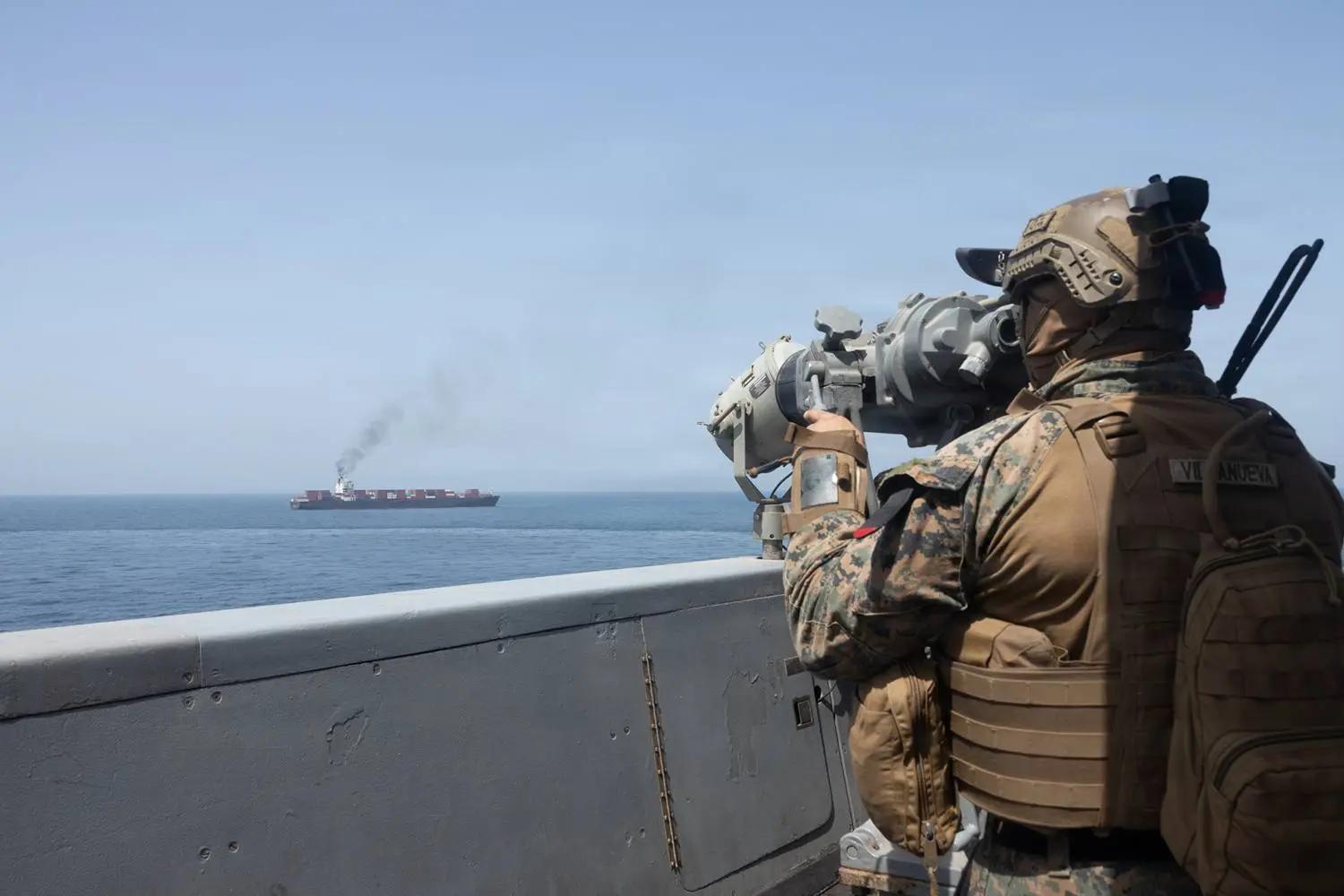
It adds that Lloyd's List Intelligence said “a steady flow of shadow fleet traffic” has passed in and out of the Persian Gulf, including “11 tankers with Iranian cargo that have left the Gulf of Oman outside the strait since April 13,” and that Windward said Iranian traffic continues to flow “via deception.”
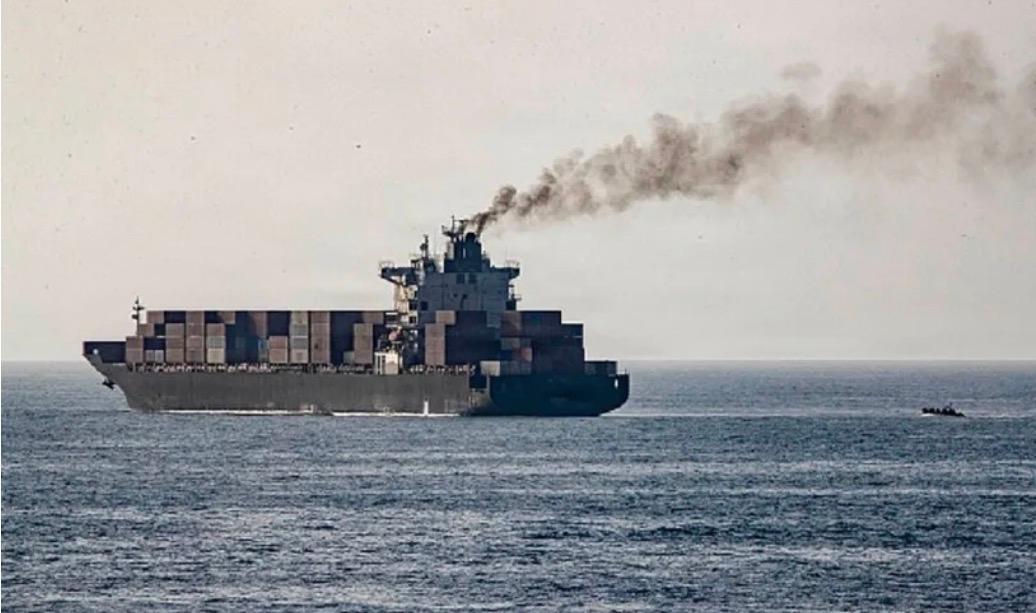
The Guardian reports that Vortexa has found at least “34 tankers linked to Iran have circumvented the US blockade since it began,” with “19 exiting the Gulf and 15 entering from the Arabian Sea,” and it provides figures for “Six outbound tankers carried approximately 10.7m barrels of Iranian crude oil.”
Foreign Policy adds that “Though reports indicate that some ships are getting through,” the blockade aims to inflict enough pain for Iran to agree to Trump’s demands on issues like its nuclear program.
On the political track, Stratfor says Trump “announced that he would indefinitely extend the unilateral U.S. ceasefire with Iran,” and that the U.S. would maintain its blockade in the Strait of Hormuz after a planned second round of talks in Pakistan failed to take place during the week of April 20.
مونت كارلو الدولية quotes Iran’s lead negotiator Mohammad Bagher Ghalibaf saying, “The ceasefire only makes sense when it is not tied to the naval blockade and the seizure of the world economy,” and it reiterates that “the Strait of Hormuz will not open as long as the flagrant violations of the ceasefire continue.”
More on Iran

Iranian FM Abbas Araghchi Visits Pakistan as US-Iran Ceasefire Talks Stall
16 sources compared
Iran Grants Russia Strait Of Hormuz Transit Fee Exemptions, Ambassador Kazem Jalali Says
16 sources compared

Protester Throws Red Liquid at Exiled Iranian Crown Prince Reza Pahlavi in Berlin
15 sources compared
Russian General Yevgeny Ilyin Praises Iran’s Defense Against US-Israeli Aggression
13 sources compared