Iran Grants Russia Strait Of Hormuz Transit Fee Exemptions, Ambassador Kazem Jalali Says
Key Takeaways
- Iran exempts transit fees for Russia and other friendly countries through Strait of Hormuz.
- Ambassador Kazem Jalali says exemptions are currently applied and the Foreign Ministry is implementing them.
- Future status of exemptions is uncertain; Iran may adjust policy.
Hormuz toll exemptions
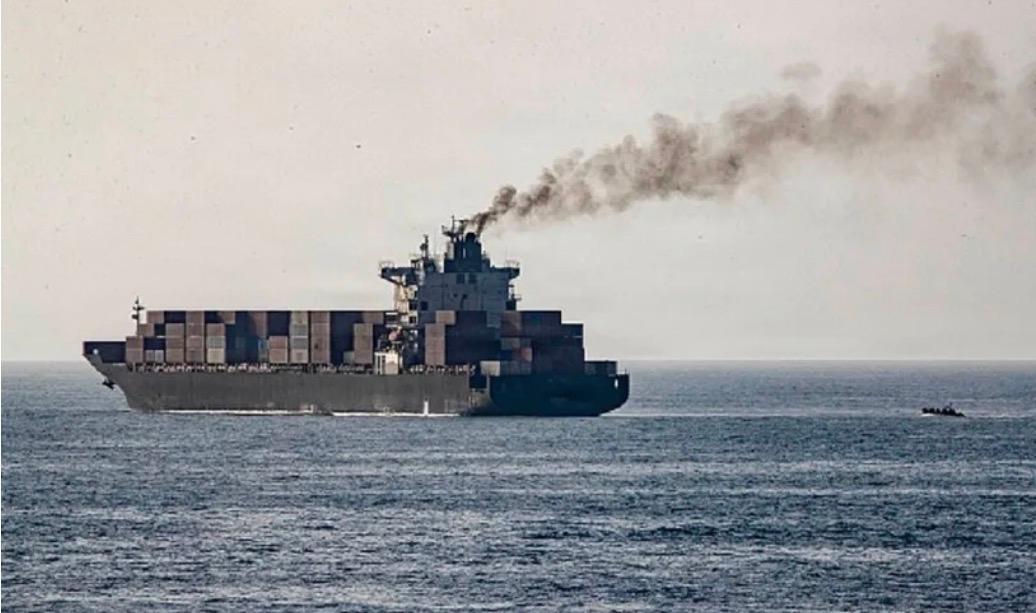
Iran has granted exemptions to some countries, including Russia, from newly introduced transit fees for passage through the Strait of Hormuz, Iranian Ambassador to Russia Kazem Jalali said in comments carried by RIA Novosti.
“Iran has granted exemptions to some countries, including Russia, from transit fees for passage through the Strait of Hormuz, Iranian Ambassador to Russia Kazem Jalali has said, quoted by RIA Novosti”
Jalali told Russian media in Moscow, "We've currently provided exceptions for some countries, but I don't know what will happen in the future," adding that Iran’s foreign ministry is trying to implement exceptions envisioned for friendly countries "such as Russia."

Multiple outlets tie the exemption policy to Iran’s broader decision to impose tolls on ships transiting the Strait of Hormuz after U.S.-Israeli attacks, with Iran citing costs associated with ensuring security of the waterway.
Iran also said it closed the strait and would reopen it once the U.S. naval blockade is fully lifted, according to the Global Times and Bernama-Sputnik/RIA Novosti reporting.
The policy is described as temporary and uncertain, with the Business Standard noting that future decisions remain unclear beyond Russia.
In parallel, several reports say Iran began collecting toll revenue for the first time this week, with funds transferred to Iran’s central bank, citing statements by First Deputy Speaker of the Iranian parliament Hamid Reza Haji Babaei.
The Strait of Hormuz is framed in the reporting as a narrow chokepoint between the Persian Gulf and the Gulf of Oman, and as the only maritime outlet to the open ocean, with about 20 million barrels of oil passing through it daily before the war—about a fifth of global consumption, according to Global Times and News.Az.
Why Tehran imposed tolls
Iran’s decision to introduce transit fees for passage through the Strait of Hormuz is presented in the reporting as a response to U.S.-Israeli attacks against Iran, with Tehran citing the costs of ensuring security for the strategic waterway.
Global Times says Iran announced plans to charge fees for passage through the Strait of Hormuz following U.S.-Israeli attacks, and that it closed the strait and would reopen it once the U.S. naval blockade is fully lifted.
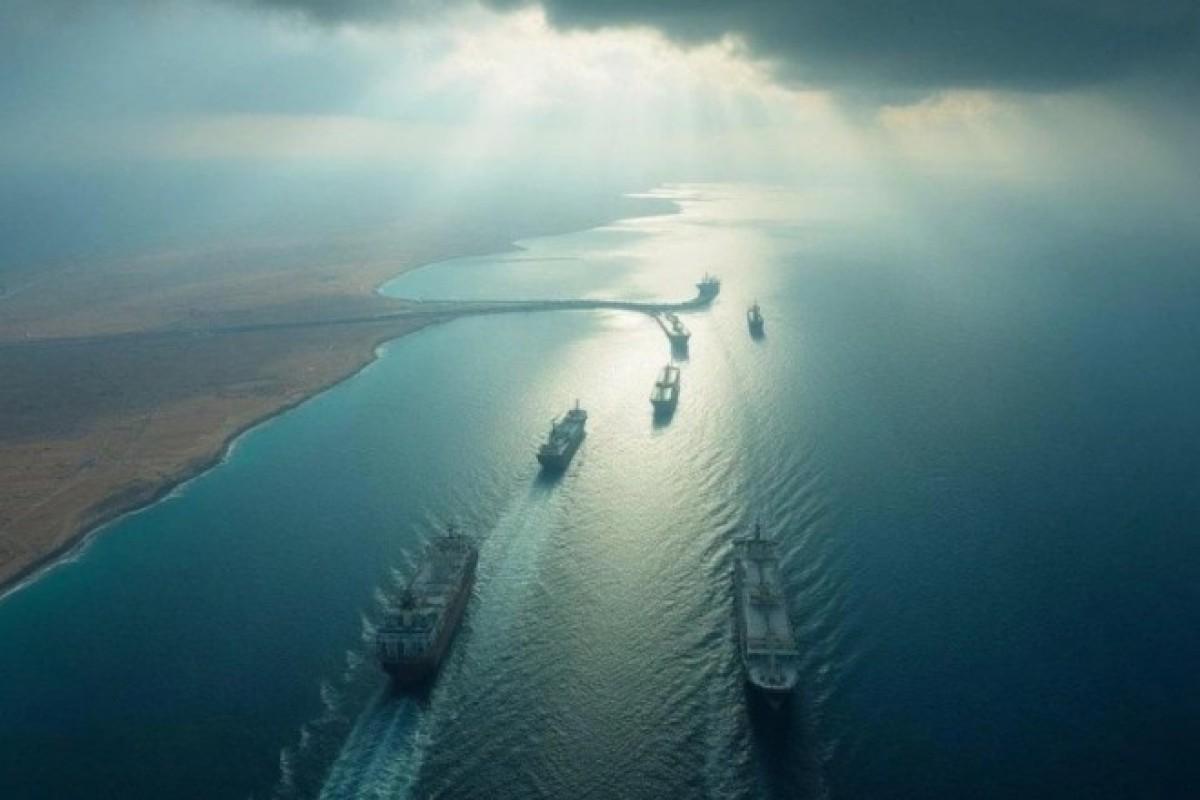
Bernama-Sputnik/RIA Novosti similarly states that Iran announced plans to impose tariffs following the United States (US) and Israeli attacks, citing the costs associated with ensuring the security of the Strait of Hormuz.
Tempo.co adds that Iran announced the fee implementation following joint military strikes by the United States and Israel, justifying the tolls as necessary for the cost of securing the strategic waterway.
Several outlets also connect the toll policy to a wider breakdown in diplomacy between Iran and the United States, with Tasnim-style reporting and Al Jazeera-cited framing describing a stalled diplomatic track and a declared blockade of Iranian ports.
The Siasat Daily reports that global oil prices surged on April 24 as tensions between the United States and Iran intensified around the Strait of Hormuz, and it links the market reaction to reports of reciprocal seizures of commercial vessels by Washington and Tehran.
Across these accounts, the Strait of Hormuz is repeatedly described as a crucial route for oil and liquefied natural gas supplies from Gulf states to global markets, making the tolls and closures part of a broader pressure campaign.
Revenue and the first collection
Iranian lawmakers and officials described the toll policy as already producing revenue, with multiple reports saying Iran received its first income from Hormuz crossing fees and transferred the funds to the country’s central bank.
“Asian Mail News Desk Tensions in the Middle East continue to rise, as US PresidentDonald Trumpsteps up pressure on Iran, warning of a tougher naval blockade and a looming deadline for a deal”
Global Times says First Deputy Speaker of the Iranian parliament Hamid Reza Haji Babaei told Thursday that Iran has received fees for transit through the strait for the first time, with funds transferred to the country's central bank.
Bernama-Sputnik/RIA Novosti likewise reports that Hamid Reza Haji Babaei said on Thursday that Iran has received revenue from fees for crossing the Strait of Hormuz for the first time, with the funds transferred to the country's central bank.
Tempo.co repeats the same claim, stating that Hamid Reza Haji Babaei noted on Thursday that the country has, for the first time, generated income from Hormuz crossing fees, with funds already transferred to the national central bank.
The Business Standard adds that the deputy speaker did not provide further details regarding the source or method of collection of the revenue, citing U.S. media reports.
In the same broader set of reporting, the Siasat Daily says Iran has received its first revenue from tolls imposed on the Strait of Hormuz, citing Iran’s semi-official Tasnim news agency and a senior Iranian lawmaker, and it says the charges vary by ship type, cargo volume, and associated risks.
Taken together, the reporting depicts a toll system that is both operational enough to generate central-bank transfers and still opaque enough that the scope of exemptions and the details of collection remain contested or unspecified.
Tehran’s stance on talks
Iran’s exemption policy is paired in the reporting with a conditional posture on negotiations, as Ambassador Kazem Jalali said Iran would engage in talks if the opposing side sought negotiations but would remain prepared for conflict if there was an inclination toward war.
Samaa TV reports that Jalali said, "He added that if the opposing side sought negotiations, Iran would also engage in talks, but if there was an inclination towards conflict, Iran stood prepared for war."
The same Samaa TV account says Jalali told Russian media in Moscow that exemptions had been extended “for the time being” to allied states and that the Foreign Ministry was making efforts to maintain the concession.
The Business Standard similarly frames the exemption policy as already granted for some countries, while noting that future decisions remain uncertain.
In parallel, the reporting describes U.S. President Donald Trump’s stance as pressing for an agreement on U.S. terms and warning that the blockade would worsen if no deal is reached.
Asian Mail quotes Trump writing that "Time is not on their side. The blockade is total and impenetrable, and conditions will only worsen from here," and it includes his statement that "Any agreement will only be made if it is fair and beneficial to the United States, its allies and the wider world."
Together, the accounts depict a negotiation environment where Iran’s toll exemptions and conditional engagement coexist with U.S. pressure and a blockade that is described as tightening.
Regional escalation and market impact
The exemption and toll policy is reported alongside a broader escalation around the Strait of Hormuz, including U.S. and Iranian actions that affect shipping and energy markets.
“Iran Waives Strait of Hormuz Transit Fees for Russia, Other Friendly Countries Summary - Iran said it is applying a transit-fee exemption for some friendly countries, including Russia, for passage through the Strait of Hormuz”
The Siasat Daily reports that Brent crude climbed above USD 106 a barrel on April 24 as tensions between the United States and Iran intensified around the Strait of Hormuz, raising fresh fears over global energy supplies.
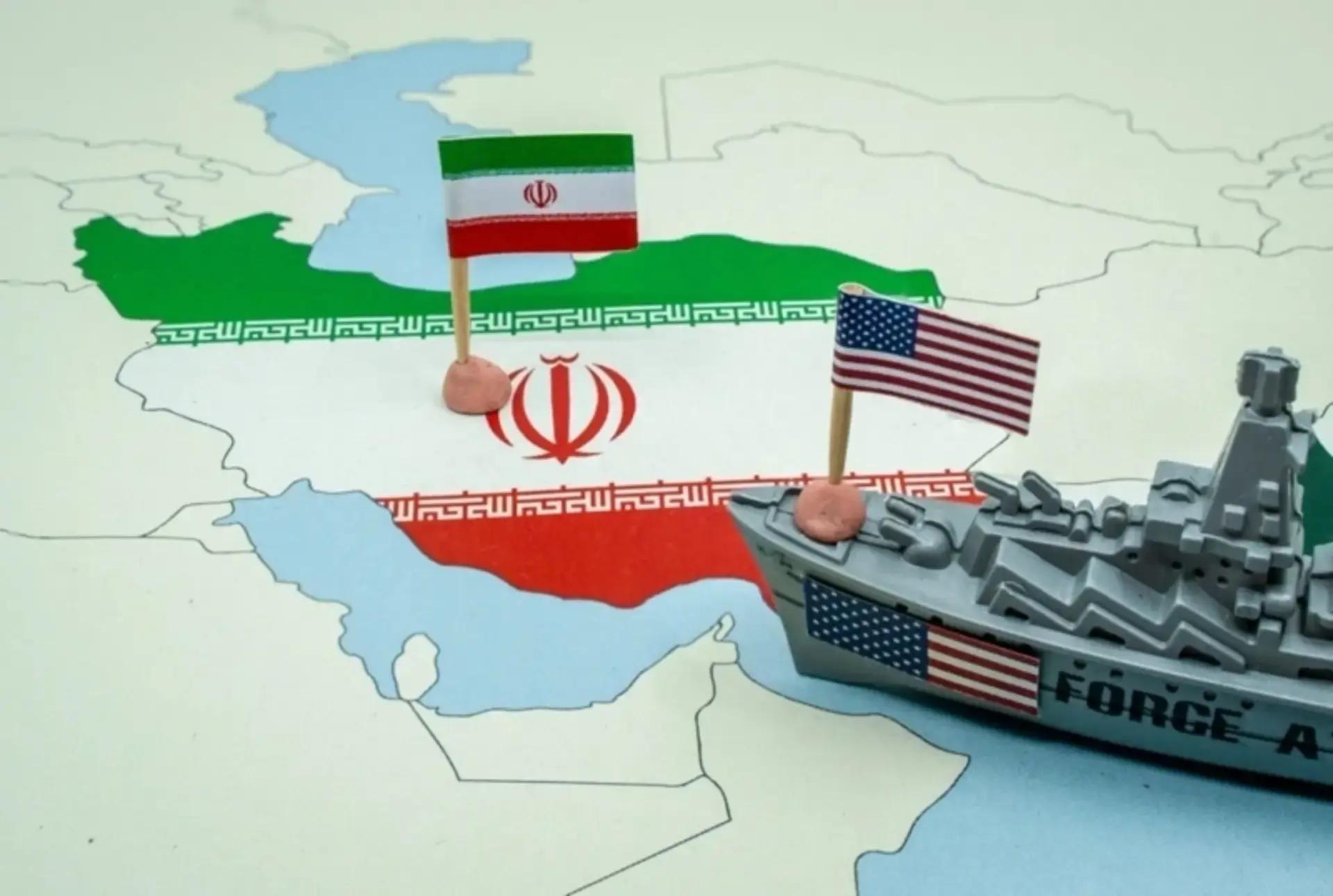
It also says markets reacted to reports of reciprocal seizures of commercial vessels by Washington and Tehran, and it notes concerns over possible renewed mining activity in the narrow waterway.
The same report says Kuwait reopened its airspace on Thursday, April 23, after a temporary suspension introduced as a precaution amid heightened regional tensions linked to the US-Iran conflict.
It further states that the International Energy Agency (IEA) said liquefied natural gas supplies were likely to remain strained through the end of 2027 because of disruptions and infrastructure damage caused by the US-Iran war.
In the chinadailyhk report, Trump is quoted ordering the U.S. Navy "to shoot and kill" any boat putting mines in the waters of the Strait of Hormuz, and it says there is to be "no hesitation" for US forces to attack Iran's "small boats" putting mines.
Even as Iran grants exemptions to friendly countries such as Russia, the reporting emphasizes that the strait’s closure and blockade dynamics remain central to the risk calculus for global trade and energy flows.
More on Iran
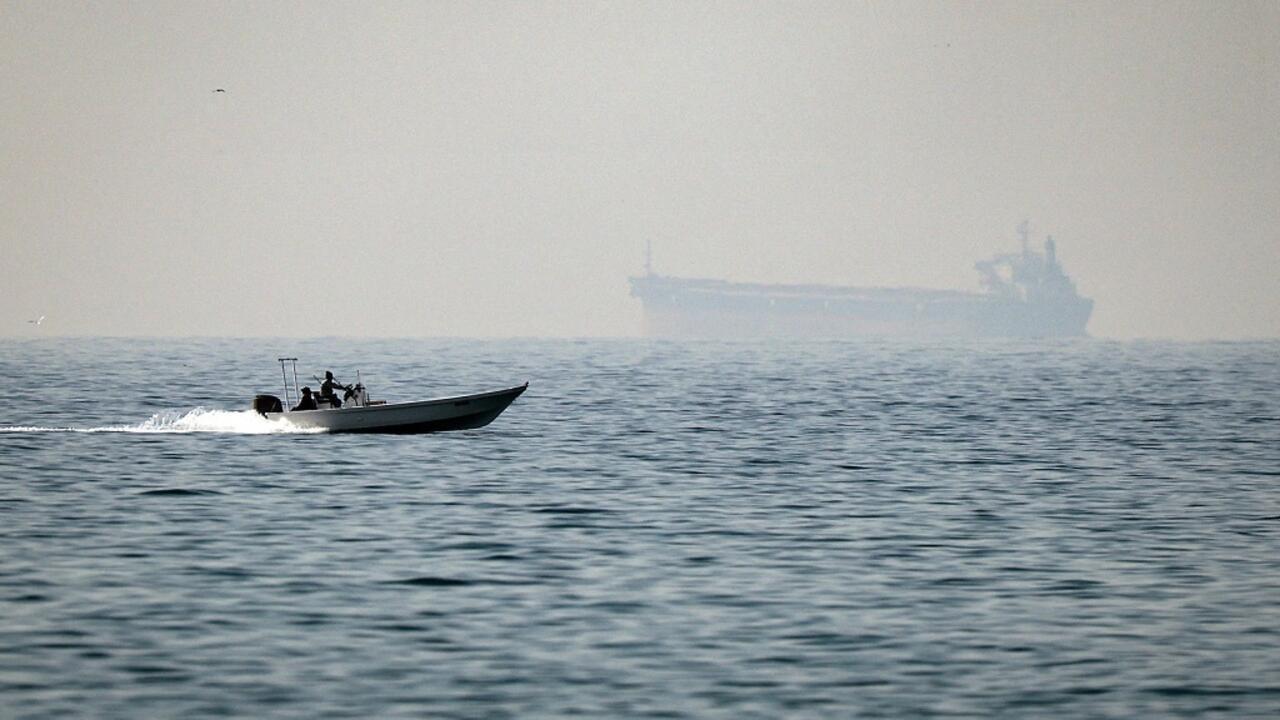
U.S. Naval Blockade of Iranian Ports Pressures Tehran in Strait of Hormuz Standoff
14 sources compared

Protester Throws Red Liquid at Exiled Iranian Crown Prince Reza Pahlavi in Berlin
15 sources compared
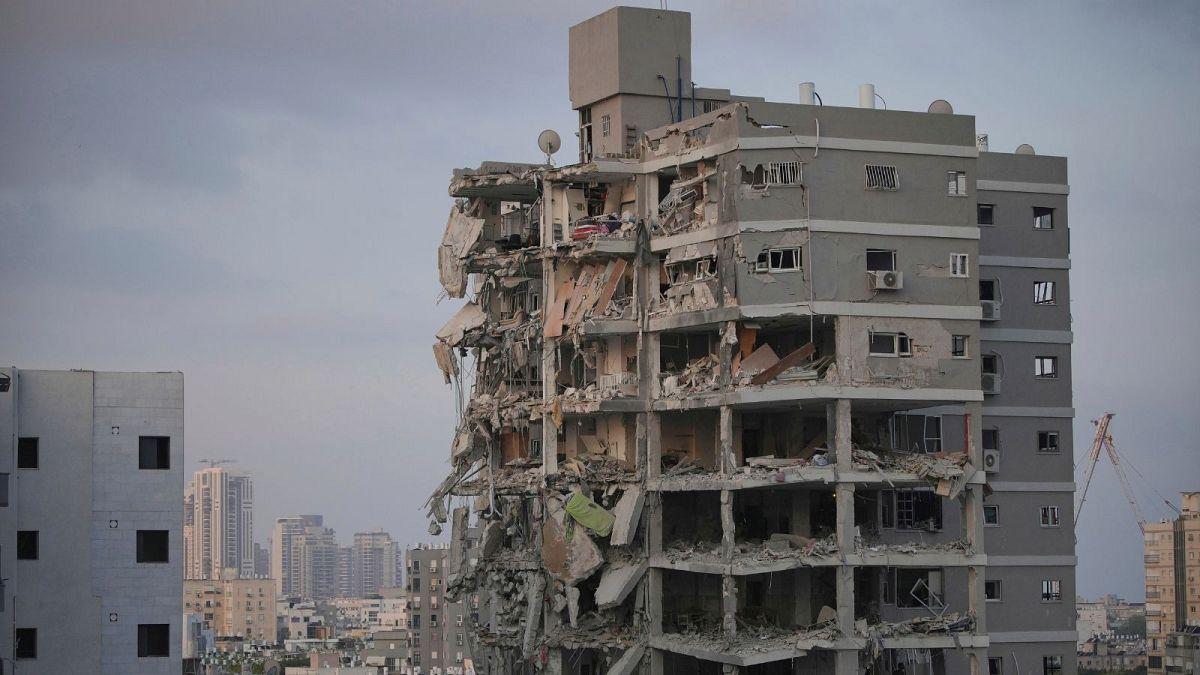
Russian General Yevgeny Ilyin Praises Iran’s Defense Against US-Israeli Aggression
13 sources compared
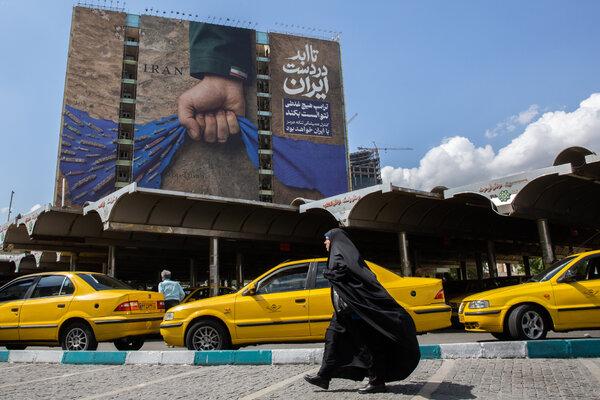
U.S. Naval Blockade Pressures Iran’s Maritime Trade as Strait of Hormuz Stays Closed
34 sources compared