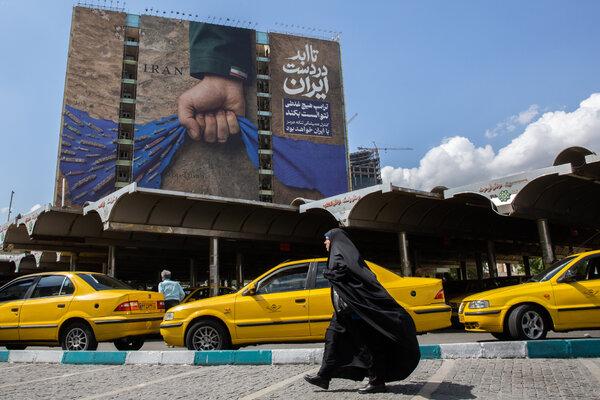
U.S. Naval Blockade Pressures Iran’s Maritime Trade as Strait of Hormuz Stays Closed
Key Takeaways
- Strait of Hormuz remains closed, escalating U.S.-Iran naval standoff and fueling oil price surge.
- U.S. seizes tanker tied to Iran; Iran claims it seized two ships.
- Iran's economy is deteriorating under blockade, with energy market implications worldwide.
Blockade and Hormuz chokehold
The United States has shifted the Iran conflict toward economic attrition by using a naval blockade to pressure Iranian maritime trade, while Iran keeps the Strait of Hormuz closed, turning the standoff into a struggle over energy and money.
“Oil prices have jumped on heightened tensions between the United States and Iran in the Strait of Hormuz following Washington and Tehran’s tit-for-tat captures of commercial vessels”
El País describes Washington’s choice to “shift the conflict onto the terrain of economic attrition, by pressuring Iranian maritime trade with the aim of forcing Tehran to withdraw,” after earlier attempts to reopen the strait by force and failed diplomatic negotiations.

MS NOW similarly frames the contest as a race over endurance, saying “President Donald Trump is using a U.S. naval blockade to slowly strangle Iran’s economy to force the country’s leaders to relent.”
Al Jazeera reports that oil prices jumped as the two sides escalated tit-for-tat captures of commercial vessels, with Brent crude topping “$106 per barrel” early on Friday morning.
In the Strait of Hormuz, Al Jazeera says shipping “remains at a standstill” as Iran demands the right to decide which vessels may pass and the U.S. blocks Iran’s maritime trade.
Foreign Policy adds that the U.S. is continuing its blockade of Iranian ports even as Tehran says it violates a cease-fire, while Iran maintains “a chokehold on the Strait of Hormuz.”
The Times of Israel and AFP reports that the U.S. imposed a counter-blockade of Iranian ports after Iran’s blockade of the strait, with analysts arguing the bid looks set to fail “at least in the short term.”
Economic pressure and numbers
The sources lay out a detailed picture of how the blockade and Hormuz closure are expected to translate into economic pressure, with multiple outlets citing specific figures for oil flows, trade dependence, and inflation.
El País says that before the blockade Iran exported “around 1.6 million barrels per day of oil,” with “more than 90% through the Jark Island terminal,” and it adds that three major ports—Bandar Abbas (Rajai), Mahshahr (Imam Khomeini) and Asaluyeh—channel “about 20,000 million dollars annually” in exports of gas, petrochemicals and energy derivatives.
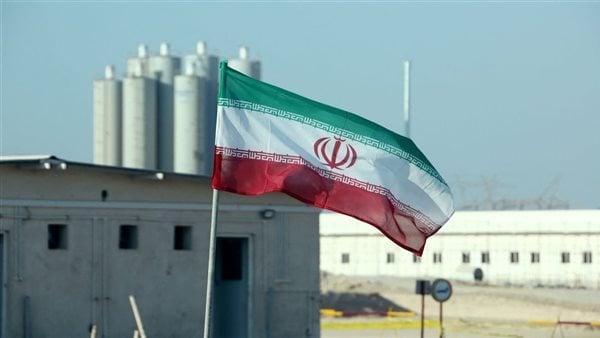
CNBC reports that before the conflict Iran was already under pressure due to sanctions, and it says inflation exceeded “50% in 2025,” while the rial had lost “60% of its value” after a “12-day war against the U.S. last July.”
CNBC also states that the effective closure of the Strait of Hormuz and the U.S. blockade have cut off most of Iran’s international trade, adding that “More than 90% of its annual trade passes through the strait.”
Arabian Business provides a more granular daily-loss estimate, saying the blockade could wipe out “about $435 million of daily economic activity” and stop oil exports that generate “about $139 million daily” under wartime pricing assumptions.
The same outlet says the blockade went into effect last Monday at “10:00 a.m. Eastern Time,” targeting Iranian ports and imposing partial restrictions in the Strait of Hormuz.
The Guardian, meanwhile, ties the pressure to storage constraints and argues the strategy is to force Iran to shut in production due to lack of storage, citing a claim that forced shutdowns could permanently eliminate “300,000 to 500,000 barrels a day.”
Times of Israel and AFP adds a timeline argument, quoting Saeed Laylaz that “If the blockade lasts for more than two or three months, it can cause more damage” to Iran, and it reports that Iran was expected to run out of storage capacity “within approximately one month.”
Voices on leverage and pain
The reporting includes competing assessments of who has more leverage and how quickly economic pain will force concessions, with named analysts and officials offering sharply different readings.
MS NOW quotes Dan Pickering saying, “The battlefield has moved from the military to the economy, for right now,” and it also quotes Alex Vatanka arguing that Iran’s sanctioned isolation means “The Iranian economy obviously has been sanctioned, isolated for a long time.”
MS NOW adds that Aaron David Miller said “There is no political accountability,” and it quotes Robin Brooks predicting that “The blockade has a medium-term effect via lower oil exports and a short-term effect via panic and capital flight.”
CNBC includes a different set of voices, with Robin Brooks saying, “It shuts down one of Tehran's main lifelines, and brings forward the point when Iran's balance of payments hits a wall,” while Jasmine El-Gamal tells CNBC’s “Europe Early Edition” that Tehran is “holding on to it so dearly ... because they know that that is their key, their gateway to economic revival.”
Foreign Policy describes the U.S. and Iran as locked in an “economic war of attrition,” and it says the blockade aims to inflict enough pain that Iran agrees to Trump’s demands on issues like its nuclear program.
The Times of Israel and AFP quotes Saeed Laylaz warning that “If the blockade lasts for more than two or three months, it can cause more damage,” while Arne Lohmann Rasmussen says Iran “was expected to run out of storage capacity within approximately one month.”
The Guardian provides a counterpoint by quoting Gholamhossein Mohseni-Eje’i, head of the Iranian judiciary, saying: “The enemy is not in a position to set a timeline for us.”
In the same Guardian account, Scott Bessent says that “Kharg Island storage will be full and the fragile Iranian oil wells will be shut in,” and it quotes Mark Dubowitz saying the strategy is “ceasefire on one front and intensifying pressure on the other.”
Escalation, seizures, and claims
As the blockade and Hormuz standoff intensify, the sources describe a sequence of seizures, threats, and counterclaims that shape the day-to-day escalation.
Al Jazeera says Washington and Tehran stepped up their confrontation after “tit-for-tat captures of commercial vessels,” and it reports that Trump ordered the U.S. Navy to “destroy any Iranian boats laying mines in the strait,” shortly after the Pentagon announced it had seized a tanker carrying sanctioned Iranian oil “for the second time in less than a week.”
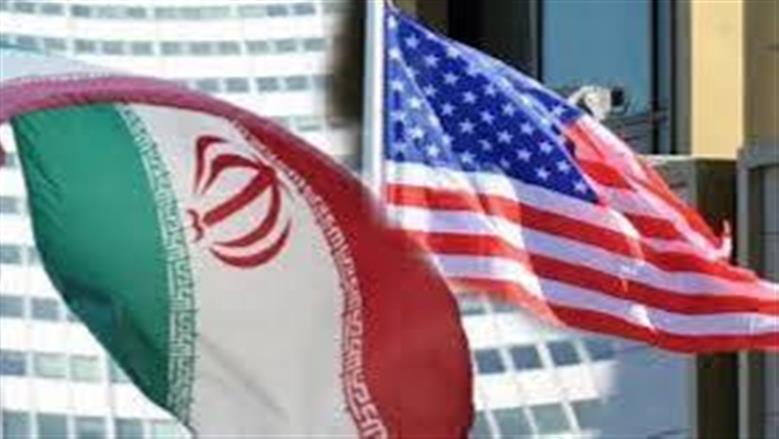
Al Jazeera also reports that Trump wrote on Truth Social that no ship “can enter or leave” the strait without the approval of the U.S. Navy, adding: “It is ‘Sealed up Tight,’ until such time as Iran is able to make a DEAL!!!”
The same outlet says Iran’s Islamic Revolutionary Guard Corps announced the capture of two foreign cargo ships, the Panamanian-flagged MSC Francesca and Greek-owned Epaminondas, after the vessels endangered maritime security “by operating without the necessary permits and tampering with navigation systems.”
It adds that the Greek Maritime Affairs and Insular Policy Ministry denied that Epaminondas was captured and said the vessel remains under the control of its captain.
Foreign Policy says the U.S. has seized multiple Iran-linked vessels, including “a cargo ship in the Arabian Sea and two oil tankers in the Indian Ocean,” and it notes that some ships are getting through even as the blockade aims to inflict economic pain.
PBS’s Associated Press reporting says Iran’s leverage over Hormuz gives it power during a “shaky ceasefire,” and it notes that the U.S. military announced the seizure of another tanker associated with smuggling of Iranian oil “a day after Iran’s paramilitary Revolutionary Guards took control of two vessels in the crucial waterway.”
PBS also reports that Trump announced he has ordered the U.S. military to “shoot and kill” Iranian small boats laying sea mines in the strait.
The Times of Israel and AFP adds that Trump said Tuesday Iran was “collapsing financially” under the blockade imposed by the U.S. Navy on “April 12,” while Treasury Secretary Scott Bessent said storage at Iran’s Kharg Island “will be full and the fragile Iranian oil wells will be shut in.”
Diplomacy, deadlines, and fallout
The sources portray diplomacy as constrained by the blockade itself, with Iran insisting the Strait of Hormuz will remain closed while the U.S. naval blockade continues and with Pakistan acting as a mediator.
مونت كارلو الدولية quotes Iran’s position that “the Strait of Hormuz will remain closed as long as the U.S. naval blockade remains in place,” and it attributes to Mohammad Bagher Ghalibaf the claim that “The ceasefire makes sense only when it is not linked to the naval blockade and to the seizure of the global economy, and Israel continuing acts of aggression.”
The same outlet says Tehran has not yet decided on participation or non-participation in the second round of Islamabad talks, with the Iranian Foreign Ministry confirming that “Tehran has not yet taken any decision regarding participation or non-participation in the second round of Islamabad talks.”
عكاظ reports that Pakistan’s Interior Minister Mohsin Naqvi stressed the need to keep diplomatic channels open between Washington and Tehran, saying he expects progress from Iran, while Iran’s Foreign Ministry blamed Israel and the United States for the consequences of the war that broke out on February 28.
عكاظ also quotes Ghalibaf saying there is “no meaning to a full ceasefire while the blockade at sea and the global economy are being held hostage,” and it adds that “reopening the Strait of Hormuz will not be possible under this blatant violation of the ceasefire.”
Foreign Policy says there are “currently no concrete plans for another round of peace talks,” and it describes the cease-fire as “on shaky ground,” even as Trump extended it on Tuesday.
The Guardian adds a specific deadline claim, saying the FDD argument runs that Iran will run out of oil storage by Sunday – “26 April,” and it quotes Lance B Gordon warning that forced shutdowns could permanently reduce future output and cashflow.
CNBC adds a longer-term uncertainty, noting that Senior Iranian economic officials reportedly warned President Masoud Pezeshkian that it may take “more than a decade to rebuild the war-torn economy,” and it says Central bank governor Abdolnaser Hemmati urged Pezeshkian to take urgent steps including restoring full internet access and pursuing a peace deal with the U.S.
Across the reporting, the stakes are framed as both immediate energy shock and longer economic damage, with MS NOW describing the standoff as potentially lasting “weeks or even months,” and with Foreign Policy warning that if the impasse continues, “the more likely it is that one or the other will take escalatory steps to break the deadlock.”
More on Iran
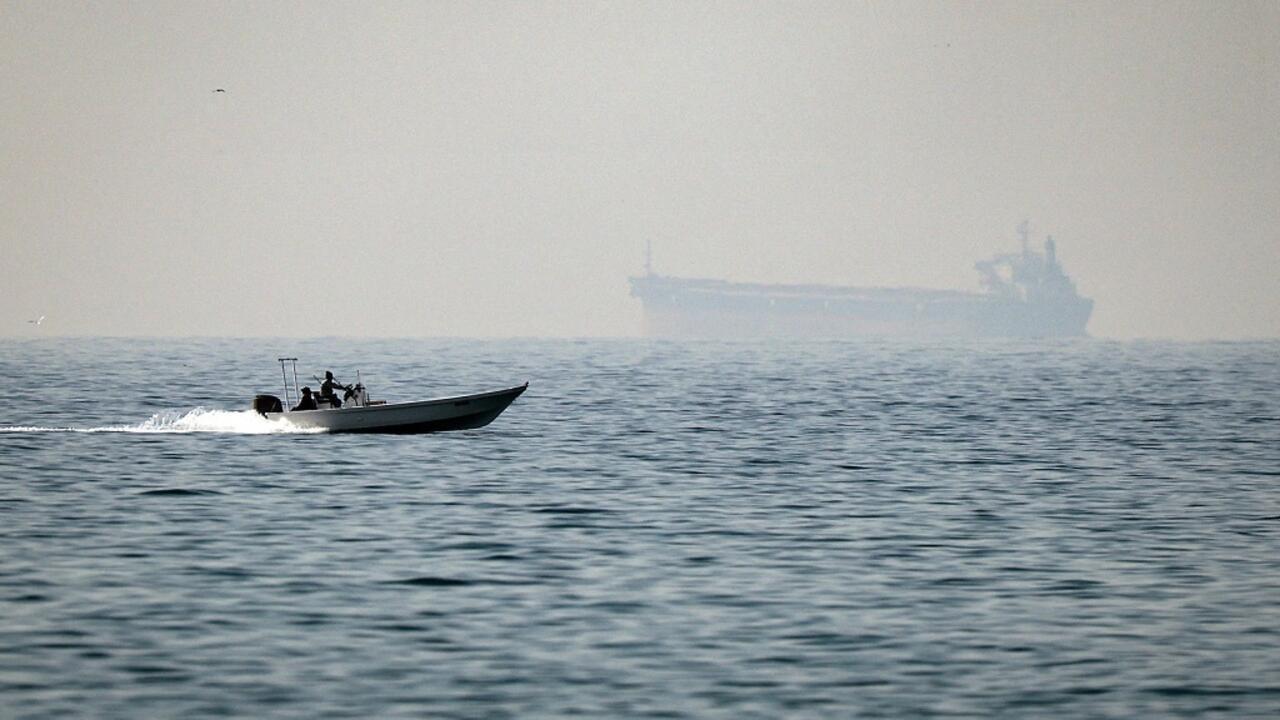
U.S. Naval Blockade of Iranian Ports Pressures Tehran in Strait of Hormuz Standoff
14 sources compared
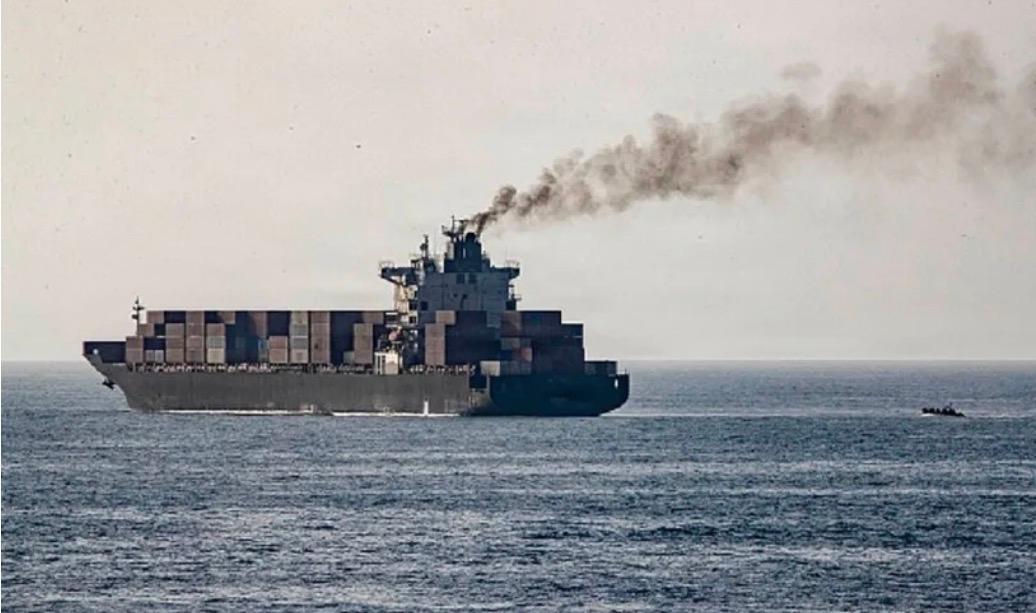
Iran Grants Russia Strait Of Hormuz Transit Fee Exemptions, Ambassador Kazem Jalali Says
16 sources compared

Protester Throws Red Liquid at Exiled Iranian Crown Prince Reza Pahlavi in Berlin
15 sources compared
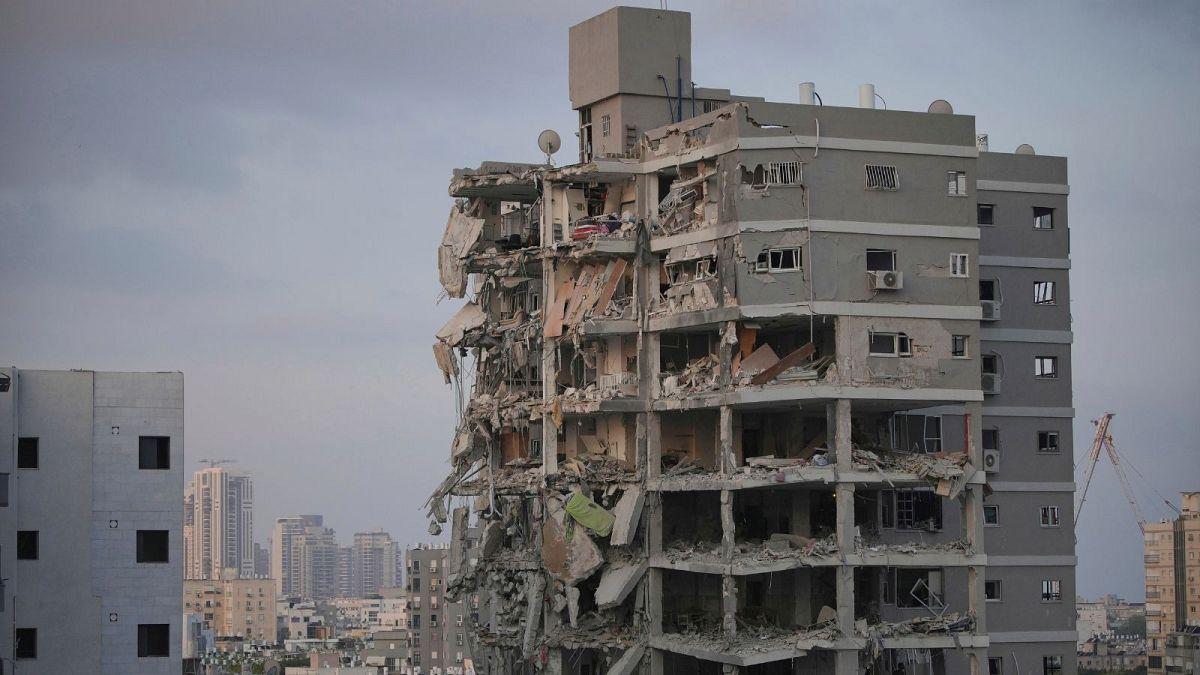
Russian General Yevgeny Ilyin Praises Iran’s Defense Against US-Israeli Aggression
13 sources compared