
Iranian FM Abbas Araghchi Visits Pakistan as US-Iran Ceasefire Talks Stall
Key Takeaways
- Araghchi arrives in Islamabad with a small delegation to resume US-Iran ceasefire talks.
- Pakistan says the visit aims to restart direct talks with the United States.
- Iranian FM discusses regional developments and ceasefire with Pakistan's army chief.
Blockade standoff in limbo
A US-Iran blockade standoff over the Strait of Hormuz has left diplomacy in Pakistan’s capital in a tense holding pattern, with ceasefire talks described as stalled and the timing of any next round uncertain.
The BBC frames the situation as a “war of blockades” in which “both sides us[ing] force to intercept and seize commercial vessels,” while warning that “The mood out in one of the world’s most important waterways is combustible.”

It says Islamabad is waiting for Iranian and American representatives to arrive for peace talks, noting that “Parts of the city remain sealed off” and that “the hotel where talks were expected to take place is empty.”
The BBC also reports that the ceasefire extension “due to expire on Wednesday” is still persisting, and it ties the atmosphere shift to the absence of the earlier expectation of press pools and aircraft arrivals.
NDTV similarly reports that there is a “high likelihood of a breakthrough” in ceasefire talks Pakistan has been trying to restart between the United States and Iran.
In parallel, Al Jazeera reports that Iranian Foreign Minister Abbas Araghchi is expected to fly into Pakistan’s capital on Friday night with a small delegation, describing it as “a key step towards the resumption of direct talks with the United States aimed at ending their war.”
Across the reporting, the core diplomatic question is whether the next phase will involve direct US-Iran talks or remain limited to consultations while the blockade dispute continues to shape what each side will accept.
How the standoff escalated
The reporting ties the current blockade standoff to a sequence of actions and counter-actions around the Strait of Hormuz and to the way the US and Iran have approached ceasefire extensions and negotiations.
The BBC says the ceasefire between Iran, the US and Israel “which was due to expire on Wednesday does at least persist,” but it describes the broader dynamic as a “war of blockades” in which both sides use force to seize commercial vessels.

Al Jazeera provides a timeline of the blockade and the negotiations, saying Trump “enforced the blockade on April 13,” “two days after the first round of negotiations between the US and Iran in Islamabad ended inconclusively.”
It adds that since then “the prospects of further talks have been in limbo,” because “Iran insisting that the US needed to lift the blockade before it would return,” while “Trump has so far refused to lift the blockade.”
Al Jazeera also reports that Iran said it would reopen the strait, which it had “effectively blocked for most ships since early March,” but the US refusal to lift the blockade kept the talks from moving forward.
It further describes a pattern of incidents in the strait, saying “the US first captured an Iranian-flagged ship,” then “Iran to also capture two ships and fire at a third.”
NDTV adds that the first round of US-Iran talks “held on April 11 and 12 failed to produce a breakthrough,” and it notes that Trump extended the US ceasefire with Iran to allow more time for peace talks after Tehran’s deadline “came and went without incident.”
Voices from both sides
The sources present a set of competing statements and diplomatic signals from US and Iranian figures, alongside Pakistan’s mediation role, as the next steps are debated.
The BBC says Iran accuses the US of a “breach of commitments” and cites what it called Washington’s “contradictory behaviour,” while it also describes Donald Trump’s “wildly conflicting public pronouncements” that have “muddied the waters.”
It reports that Iran still complains it “entered negotiations twice in the past year, only to be attacked by Israel and the United States,” and it notes that Trump’s Truth Social post extended the ceasefire while describing an Iranian regime that is “seriously fractured, not unexpectedly.”
NDTV quotes US Defence Secretary Pete Hegseth saying Iran has a chance to make a “good deal, a wise deal,” and it also reports that Hegseth said the US has “all the time in the world” and is not anxious for a ceasefire deal.
NDTV also says Pakistan’s Deputy Prime Minister Ishaq Dar and Abbas Araghchi spoke, with a statement saying “Both sides exchanged views on regional developments, the ceasefire, and ongoing diplomatic efforts being pursued by Islamabad.”
Al Jazeera adds that Dar underscored “the importance of sustained dialogue,” while Araghchi appreciated Pakistan’s “consistent and constructive facilitation role,” according to Pakistan’s foreign ministry.
The BBC further reports that Prime Minister Shehbaz Sharif posted on social media that Pakistan would “continue its earnest efforts for negotiated settlement of the conflict,” and it says Trump told at least one journalist that a deal is still possible in the next few days.
Coverage divergence on timing
While multiple outlets agree that an Iranian delegation led by Abbas Araghchi is expected to travel to Islamabad, they diverge on the expected timing, the size and nature of the delegation, and whether direct US-Iran talks will immediately follow.
The New York Post says “Senior Iranian leadership will come to Pakistan Friday or Saturday,” and it reports that Araghchi will lead a “small delegation,” with the Iranian delegation “set to arrive around 10 p.m. local time Friday,” and “departure estimated sometime “after 12 a.m. early morning Saturday.”

It adds that the meeting “will most likely be bilateral between Islamabad and Tehran only,” and that it was “not immediately clear whether the trip indicates a second round of talks is imminent.”
Al Jazeera similarly reports that Araghchi is expected to fly into Pakistan’s capital on Friday night with a small delegation, but it specifies that IRNA said the visit would be bilateral “to speak with Pakistani officials, rather than for talks right away with the US.”
NDTV, by contrast, says Araghchi may visit Islamabad for talks as soon as Friday, and it reports that “Multiple Pakistani media reported that a US logistics and security team is already present in Islamabad.”
Mathrubhumi English says an Iranian delegation is “reportedly scheduled to arrive in Islamabad tonight” and that Araghchi “may be leading the delegation,” but it also stresses “there has been no official confirmation from Iranian state media regarding the visit.”
News18 adds another layer by saying preparations intensified after Araghchi held a call with Ishaq Dar, and it reports that an Iranian delegation may arrive “tonight,” while “US expected by Sunday in Islamabad for crucial talks,” with the possibility that the visit may initially be limited to consultations.
Security lockdown and next steps
As the possibility of renewed talks grows, the sources describe extensive security measures and disruptions in Islamabad and Rawalpindi, along with preparations for visiting delegations.
“US and Iran in blockade standoff as Pakistan pushes for talks Courtesy of last night's Truth Social post from US President Donald Trump, the ceasefire between Iran, the US and Israel which was due to expire on Wednesday does at least persist”
NDTV reports that “Islamabad and Rawalpindi remain closed with heavy security for possible peace talks,” and it says “Over 10,000 security personnel have been deployed to maintain law and order.”
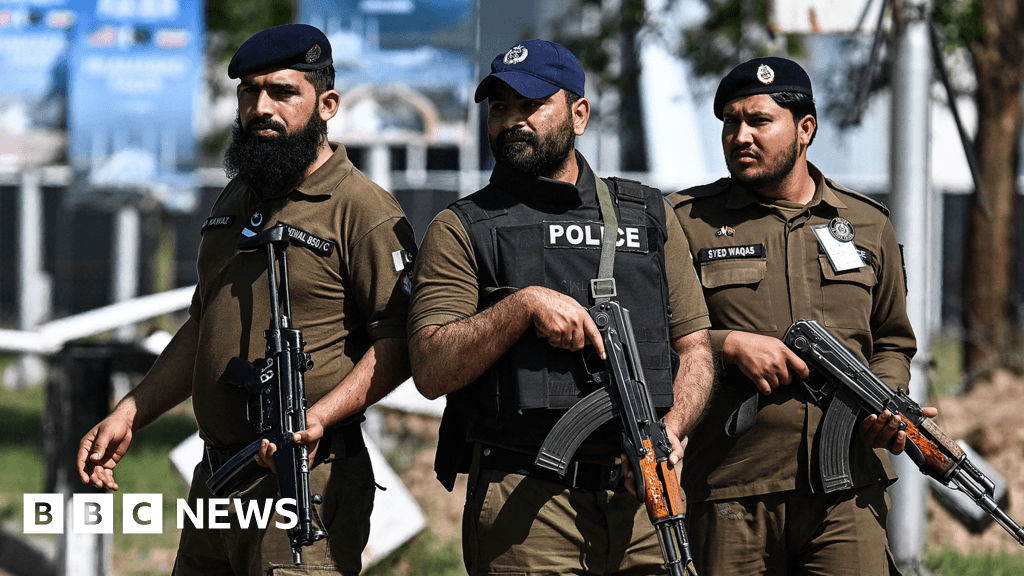
It adds that “the Pakistani capital continues to remain closed to heavy traffic on Friday,” and that “Islamabad and Rawalpindi have closed all major roads and markets in VVIP movement areas on Sunday.”
News18 similarly reports that “Islamabad and Rawalpindi have effectively been locked down for the expected high-profile visit,” and it says “the Red Zone and Extended Red Zone shut for all traffic,” while residents were “advised to use alternate routes.”
News18 also states that “Major luxury hotels, including the Serena, Marriott and Movenpick, have been asked to vacate guests by evening to accommodate visiting delegations, while Serena Hotel has been fully cleared.”
Al Jazeera provides a human-scale description of the disruption, quoting Maheen Saleem Farooqi saying, “It is like living in purgatory,” and describing how “Your entire day is held upright by a carefully planned structure.”
Al Jazeera says “At least nine US aircraft have arrived in the city this week,” carrying equipment and staff “in preparation for the dialogue, whenever it happens,” while the BBC reports “Parts of the city remain sealed off” and “the hotel where talks were expected to take place is empty.”
More on Iran
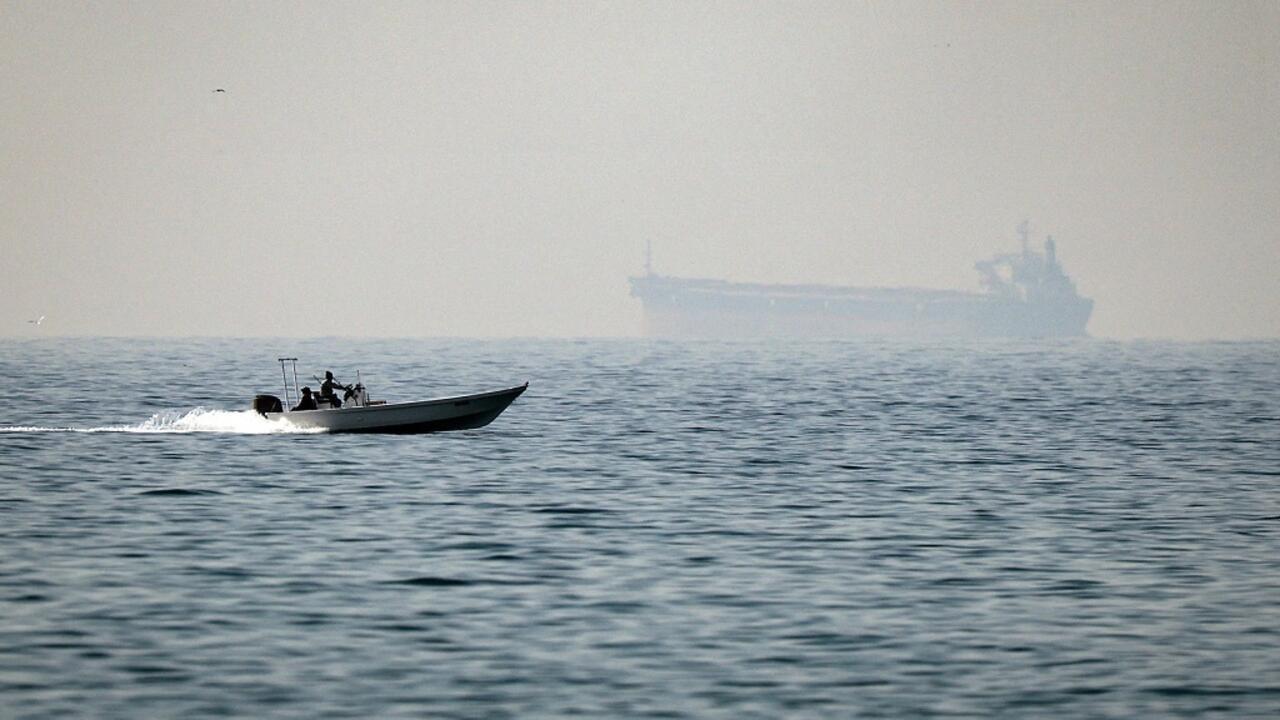
U.S. Naval Blockade of Iranian Ports Pressures Tehran in Strait of Hormuz Standoff
14 sources compared
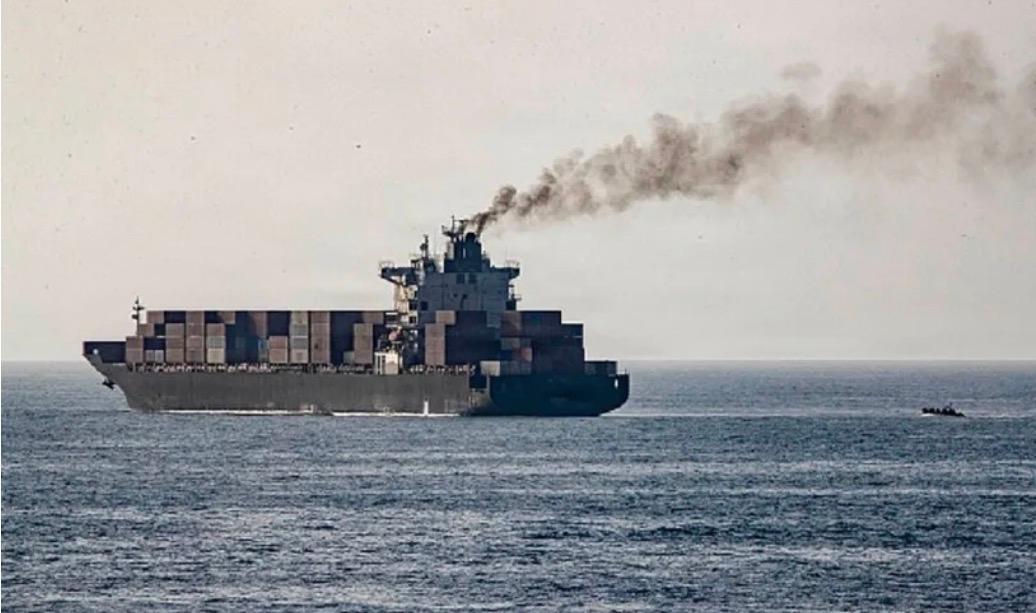
Iran Grants Russia Strait Of Hormuz Transit Fee Exemptions, Ambassador Kazem Jalali Says
16 sources compared
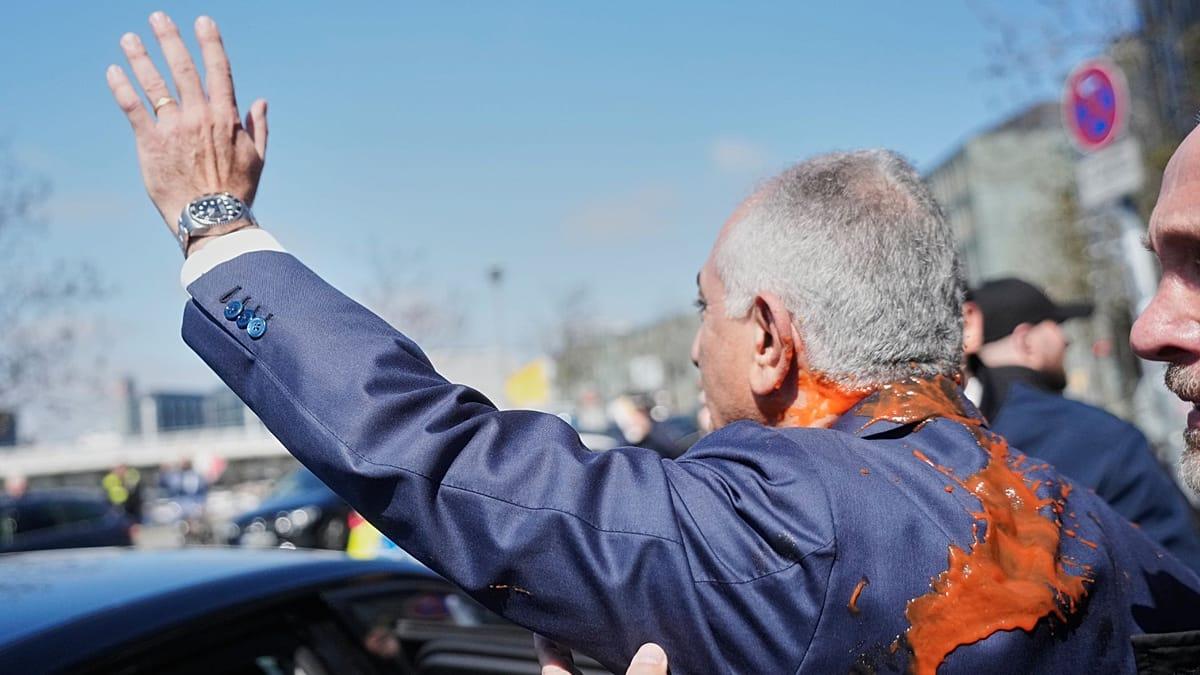
Protester Throws Red Liquid at Exiled Iranian Crown Prince Reza Pahlavi in Berlin
15 sources compared
Russian General Yevgeny Ilyin Praises Iran’s Defense Against US-Israeli Aggression
13 sources compared