Syria02 October, 20262 min read
Fuad Hussein Warns ISIS Could Cross From Syria After U.S. Ends Counter-ISIS Mission
This article is an automated aggregation of coverage from news outlets. Our editorials offer in-depth analysis curated by the NewsCord team.
Iraq warns ISIS could cross from Syria into Iraq after U.S. ends mission. Foreign Minister Fuad Hussein said Baghdad is closely watching ISIS activity in Syria.

5 outlets told this the same way.
Outlets did split on Asad Al-Shaibani Meets Saddam Haftar in Benghazi Over Syrian Consulate And Missing Syrians →
ISIS risk after US exit
Iraq’s foreign minister Fuad Hussein warned that ISIS fighters could cross into Iraq from Syria after the U.S. formally ended its counter-ISIS mission in Iraq. Hussein told reporters in Washington, D.C., that Baghdad was closely monitoring ISIS activity in neighboring Syria and said, "We are concerned about ISIS activities inside Syria". Hussein added that Iraqi forces were preparing to counter any movement by the group toward the border, while he stressed Baghdad believed Iraqi security forces could now handle the threat without the broad involvement of a U.S.-led coalition.
The warning came just after Syrian officials said they dismantled an ISIS core operating in four provinces, with four leaders arrested and explosives seized, according to Syrian security forces. The Pentagon said Iraqi forces had the capability to suppress the remaining threat on their own, while American forces continued anti-ISIS operations in Syria to prevent the group from rebuilding and reorganizing.
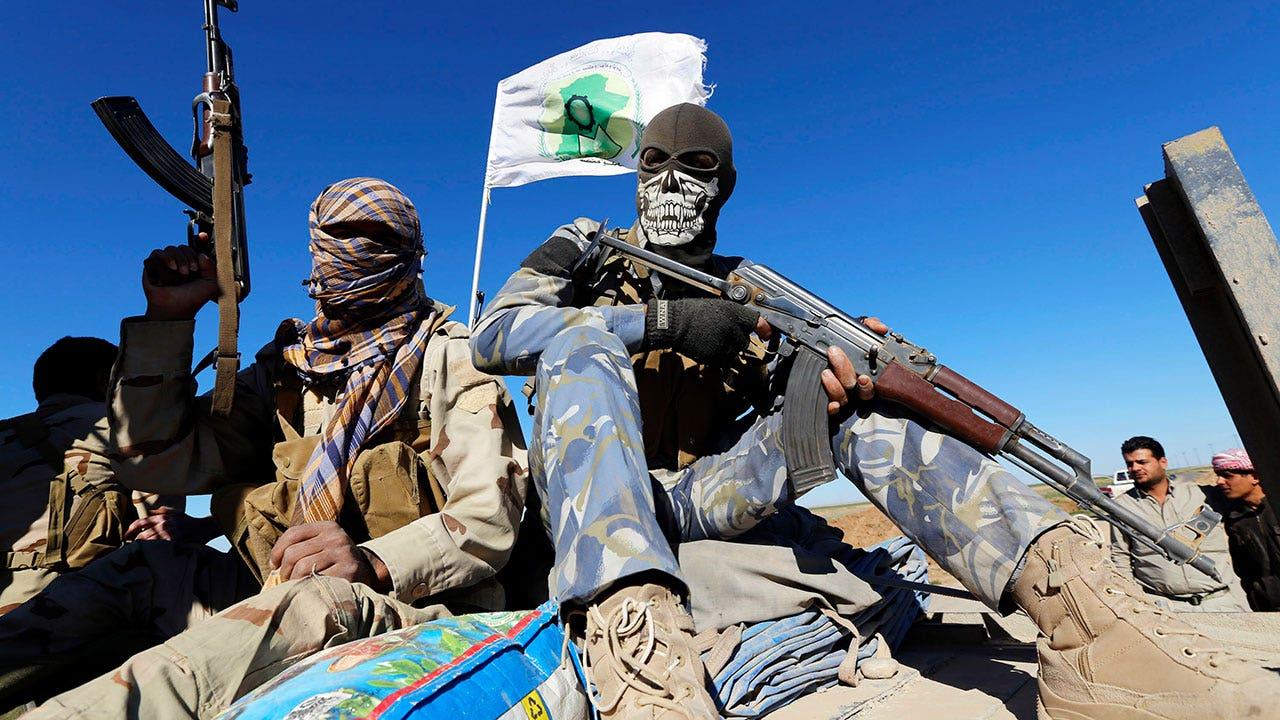
Baghdad, Washington, and Syria
Donald Trump described the U.S. withdrawal as a victory over ISIS and said, "We came to fight a caliphate, and there is no longer a caliphate, so we are going home." Hussein’s warning followed Syrian authorities’ announcement that they dismantled an ISIS cell operating across four provinces, arresting four of its leaders and seizing explosives prepared for attacks, according to Syrian security forces. Hussein told reporters that Baghdad believed its military could handle the terrorist group without the large U.S.-led coalition presence that helped defeat ISIS’s self-declared caliphate.
Hussein also said, "If they would be capable to cross the border, that would be once again a threat to our security," and he said Iraqi forces were preparing to fight and defeat any movement. The Washington Institute’s Ian McCarey said the coalition still saw a real threat in Iraq and Syria, where ISIS at one point controlled a population of about ten million.
What comes next for Iraq
Iraq’s foreign minister Fuad Hussein said Baghdad and Washington discussed establishing a future security relationship while negotiating the coalition’s departure, but he said details about training, information sharing, and other military cooperation still needed to be defined.
Hussein said Iraq had originally set a Sept. 30 deadline for armed groups to lay down their weapons or come under state authority, and he said the deadline had slipped to June 2027 because some powerful factions resisted disarmament.
Hussein said one group issued a statement backing the government’s plan and another group was expected to follow within a day, while negotiations with other groups continued.
Hussein warned, "A single group will not be allowed to take the decision in their hands and attack other countries," as the cross-border threat from Syria became a central concern.
The Washington Institute’s Ian McCarey said the International Coalition to Defeat ISIS was formed in September 2014 with twelve original members and that by December 2014 the number had grown to sixty members.