India17 November, 20252 min read
Fuel Tanker Collides With Bus Carrying Umrah Pilgrims Near Medina, Fire Kills 45 Indian Pilgrims
Passenger bus collided with a diesel tanker near Medina while returning from Mecca. Forty-five Indian pilgrims died; one passenger survived and is hospitalized.
40 outlets told this the same way.
Madinah bus crash
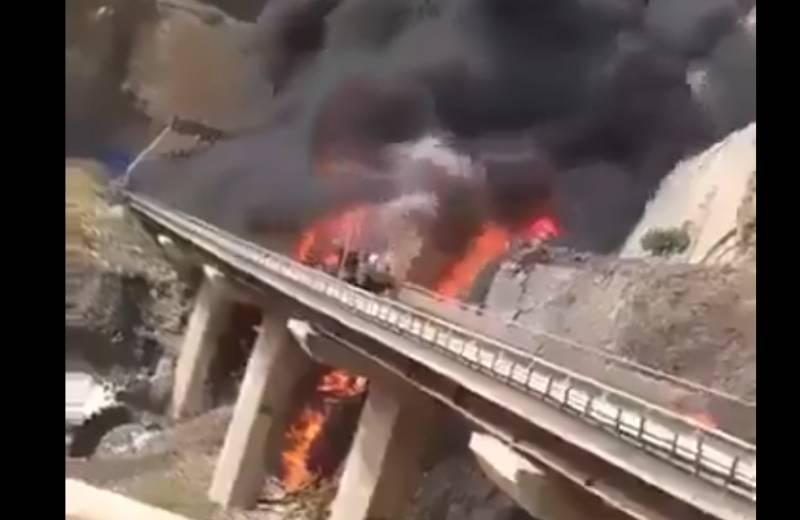
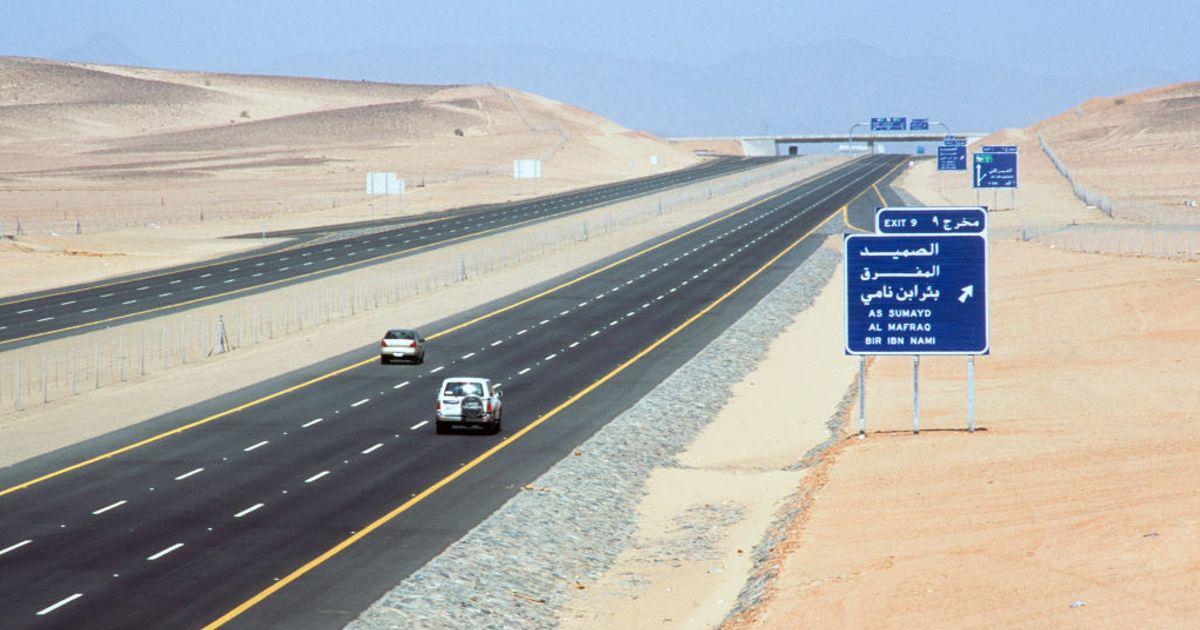
A bus carrying Indian Umrah pilgrims collided with a fuel tanker near Madinah (Medina) in the early hours of Monday, caught fire and left almost all passengers dead. Multiple reports say the vehicle burst into flames on the Mecca–Medina highway at a site variously named Mufrihat, Muhras, or Mufriyat. Initial counts indicated about 42–46 people were on board, with roughly 45 reported killed.
“A bus carrying 46 Umrah pilgrims was struck by a tanker lorry and caught fire late at night (about 23:00 local time) roughly 40 km from Madinah.”
A single survivor was reported and hospitalized. Authorities and eyewitnesses said the bus was en route from Mecca to Madinah. Many passengers were asleep when the tanker struck, immediately igniting a severe blaze that gutted the bus.
Hyderabad victims and aftermath
Indian authorities and local officials reported most victims were from Hyderabad and Telangana, and many of those killed were women and children. Several outlets cited Hyderabad police and state officials listing the original travelling party as 54 people who had flown from Hyderabad to Jeddah on November 9, with 46 aboard the bus on the return leg.
Multiple reports named the lone survivor and gave his age or name. The charred condition of many bodies was repeatedly mentioned, complicating immediate identification and prompting hospital and consular teams to assist with forensic work and family notification.
Indian diplomatic response in Saudi
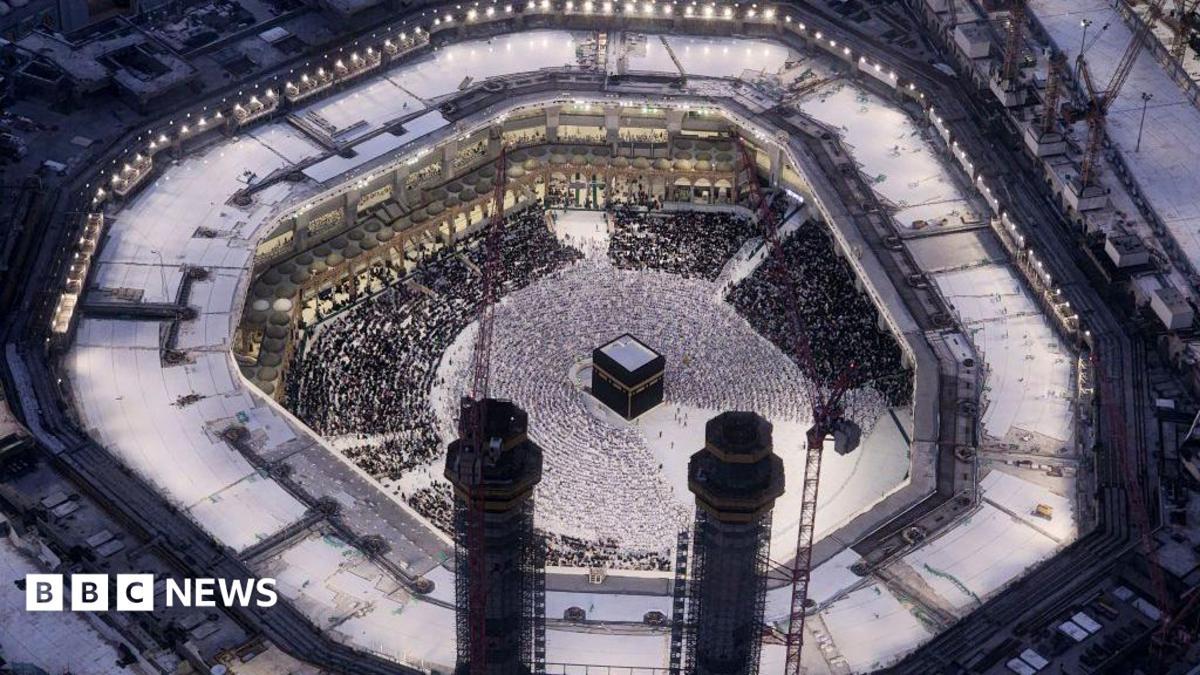
Indian diplomatic and state authorities mobilized rapidly: the Consulate General in Jeddah opened a 24x7 control room and helplines, the embassy in Riyadh and state governments coordinated with Saudi officials, and senior Indian leaders expressed condolences. Telangana announced compensation and planned an official delegation; local political leaders and community volunteers in Hyderabad were reported as assisting families and arranging travel for relatives. Media coverage included specific helpline numbers and control-room arrangements to aid identification, repatriation and support for grieving families.
“The Consulate General of India in Jeddah has opened a 24x7 control room (8002440003) and the government provided additional helplines (+91 79979 59754, +91 99129 19545).”
Pilgrim transport crash coverage
Multiple outlets stressed the difficulty of identification and the need for an investigation. Rescue teams found the vehicle completely gutted and several bodies badly burned. Officials and media warned that identification would be slow.
Saudi authorities have launched probes, even as some international outlets noted officials had not immediately confirmed casualty totals. Several reports also pointed to the wider safety context for pilgrim transport on Saudi highways and referenced past deadly accidents.
Coverage and human impact
Coverage tone and human-centred details vary across outlets, with some emphasizing scale and operational facts such as numbers, helplines, and government response. Others foreground human stories, reporting on extended families lost, named victims, and villagers who aided at the scene. Specific human-interest pieces describe entire extended families aboard, named individuals, and local community mobilisation to support bereaved relatives, underscoring the deep impact in Hyderabad and Telangana.
“Community volunteers in Hyderabad and officials are supporting distressed relatives as investigations and recovery continue.”