Asia · 16 August, 2026 · 3 min read
Bangladesh Says Tarique Rahman India Visit Depends On Sheikh Hasina Extradition
Bangladesh says Rahman's India visit contingent on Hasina extradition and other fugitives. Officials discuss dates for a two-day state visit in the third week.
11 of 12 outlets skipped it: bangladesh seeks assurances Hasina’s political activities in India stop.
12outlets compared
Same story, two versions
tap a side to read it in full
thewire.in
“being planned as a bilateral engagement rather than around the BRICS summit”Read the original ↗
Changes readers’ sense of urgency and what outcomes the visit is for.
Hasina extradition sets terms
Bangladesh said Prime Minister Tarique Rahman’s proposed India visit depends on creating a “propitious environment” and on New Delhi acting on Bangladesh’s extradition request for former Prime Minister Sheikh Hasina. Foreign Ministry spokesperson Shahidul Karim said the process was “vitiated by the open press interaction in New Delhi on 5th August by Sheikh Hasina,” who Bangladesh says has been convicted by the International Crimes Tribunal for committing crimes against humanity. Karim said Dhaka has requested India to “expeditiously act” on the extradition request and to hand over “the accused killers of Shaheed Sharif Osman Hadi” in compliance with a bilateral extradition treaty.
“‘We are of the view that a propitious environment needs to be created for the visit,’ Karim said.”
The conditions were linked to a wider push for Dhaka’s “Bangladesh First” policy, with Karim reiterating sovereign equality, national dignity, non-interference and mutual benefit in relations with neighbours. The remarks came as Dhaka and New Delhi remained in contact over Rahman’s possible bilateral trip, with Bangladesh saying it was awaiting India’s response.
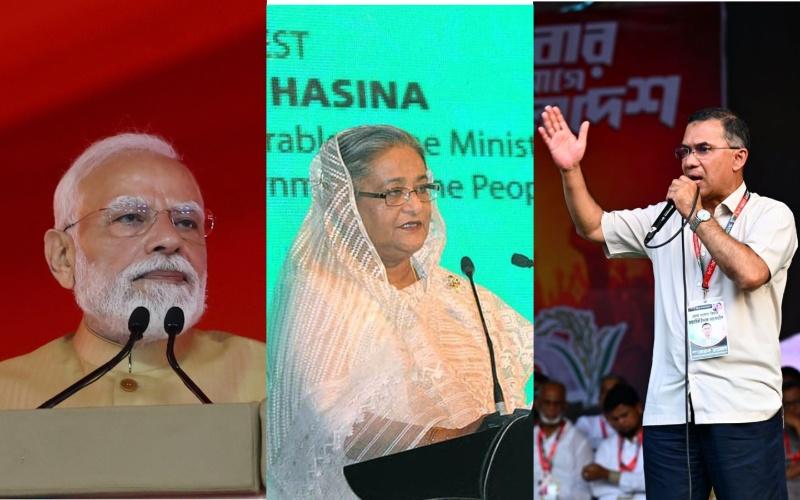
Dhaka cites Aug 5 fallout
Dhaka’s stance was tied to Sheikh Hasina’s August 5 appearance in New Delhi, which Bangladesh said complicated the atmosphere around Rahman’s proposed trip. Foreign Ministry spokesman AKM Shahidul Karim said Dhaka was seeking a “conducive environment” before the visit could proceed and that it had requested India to “expeditiously act” on the extradition of Hasina and other fugitives. After Rahman met Indian High Commissioner to Bangladesh Dinesh Trivedi in Dhaka, Shahadat Shadhin, Deputy Press Secretary to the Bangladeshi Prime Minister, said “Bangladesh hopes that India will expedite the process of extraditing Sheikh Hasina.”
Bangladesh’s Foreign Minister Khalilur Rahman also accused Hasina of undermining Bangladesh’s justice system, telling reporters: “On August 5, Ms Hasina has undermined the justice department of Bangladesh, which is a pillar of our nation.” India’s position, as described in the reporting, was that its extradition request from Bangladesh remains “under examination,” while Dhaka continued to press for both extradition and the handover of accused killers of Sharif Osman Hadi.

Timing and diplomatic stakes
The conditional approach has left the timing of Rahman’s India visit unsettled, with reporting describing discussions over dates in the third and fourth weeks of August and a possible early September window. Prothom Alo said India had proposed possible dates for a two-day visit in the third week of the month, while Bangladesh considered dates around that period, with one source in Dhaka pointing to a presidential election scheduled for 20 August followed by a swearing-in ceremony. ThePrint reported that India proposed 21-22 August for the trip, while Bangladesh favoured an early September visit, and it said the timing remained unsettled as Bangladesh held a presidential election on 20 August and parliament was scheduled to begin its third session on 27 August.T
“The presidential election is scheduled for 20 August, followed by the swearing-in ceremony.”
The Wire described an earliest possible window of August 21-23 for Rahman’s visit, while noting that there was no confirmation he would travel on those dates. Across the coverage, the biggest obstacle to improving relations was repeatedly framed as Sheikh Hasina’s continued political activities in India and Dhaka’s demand for extradition, with the reporting also linking the visit agenda to issues such as the Ganga Waters Treaty and fuel supplies.