Asia · 16 August, 2026 · 3 min read
Taliban Regained Power in Afghanistan, UK Afghan Allies Fear Reprisal Over Resettlement Delays
UK Afghan allies fear Taliban reprisals amid resettlement delays. Five years after takeover, humanitarian crisis persists, with women’s rights severely curtailed.
16 outlets told this the same way.
Outlets did split on Avalanche Strikes Himlung Himal Base Camp In Nepal, At Least 10 Missing →
10 of 12 outlets skipped it: some Afghan allies claim resettlement promises failed; fear Taliban reprisal.
16outlets compared
Five years, Afghan allies
Five years after the Taliban regained power in Afghanistan, UK-linked Afghan allies described fear of reprisal and said they remain in limbo over asylum and resettlement decisions, with LBC reporting that the government confirmed 9,000 Afghans are yet to receive a decision on whether they can be resettled in the UK. Akhtar Mohammad Ibrahimi, a former deputy security minister who said the Taliban set up a checkpoint outside his home after the takeover, told LBC via an interpreter: “I believe they (the Taliban) would have carried out a direct execution on me.” LBC also quoted General Sir Peter Wall, who said of the pre-fall Kabul operations that “we couldn’t have done it without them,” while Colonel Simon Diggins, Britain’s Defence Attaché to Kabul from 2008-10, said Afghans have been “abandoned.”
LBC tied the current anxiety to a 2022 Ministry of Defence data breach it said leaked up to 100,000 Afghans’ sensitive information, and it reported that nearly 19,000 applicants were secretly moved to the UK under the Afghan Relocation Route before schemes began winding down. The article said the government closed key resettlement schemes to new applicants last year and shut off this spring support to help those in hiding be safely taken out of Afghanistan into a third country, with the government expecting less than 1% of remaining applicants to be eligible for relocation.

Rights, repression, and women
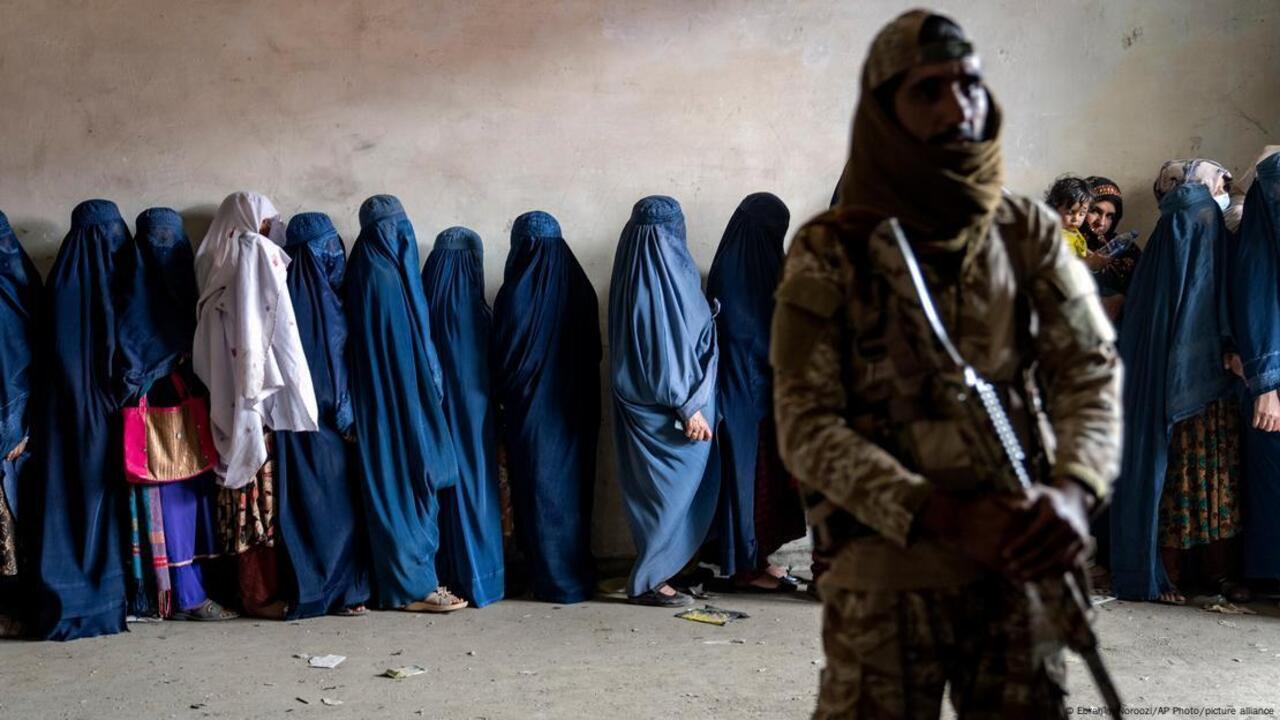
As the Taliban marked five years since their return to power with white flags and flowers from a helicopter, Amnesty International and a UN body presented a different tally, with Al Jazeera describing Amnesty’s report title as “Taliban rule… five years of repression, impunity, and false promises.” Al Jazeera reported that the UN Special Envoy for Afghanistan’s human rights, Richard Bennett, concluded that the Taliban’s current policies amount to “gender-based oppression” that constitutes a crime against humanity. The same Al Jazeera account said the Taliban issued more than 100 decrees restricting women’s rights, and it stated that Afghanistan remains the only country in the world where girls are barred from secondary and higher education.
It also described a contrasting Taliban narrative, quoting Foreign Minister Amir Khan Muttaqi saying Afghans thwarted the Soviet Union’s attempts to impose communism and then NATO’s attempts to impose a Western democratic model. Al Jazeera further reported that Susan Ferguson, the UN Women Representative in Afghanistan, said funding shortfalls mean that more than half of the 74 women’s organizations surveyed in April are likely to suspend operations or close their doors in the coming year.
Humanitarian crisis and international pressure
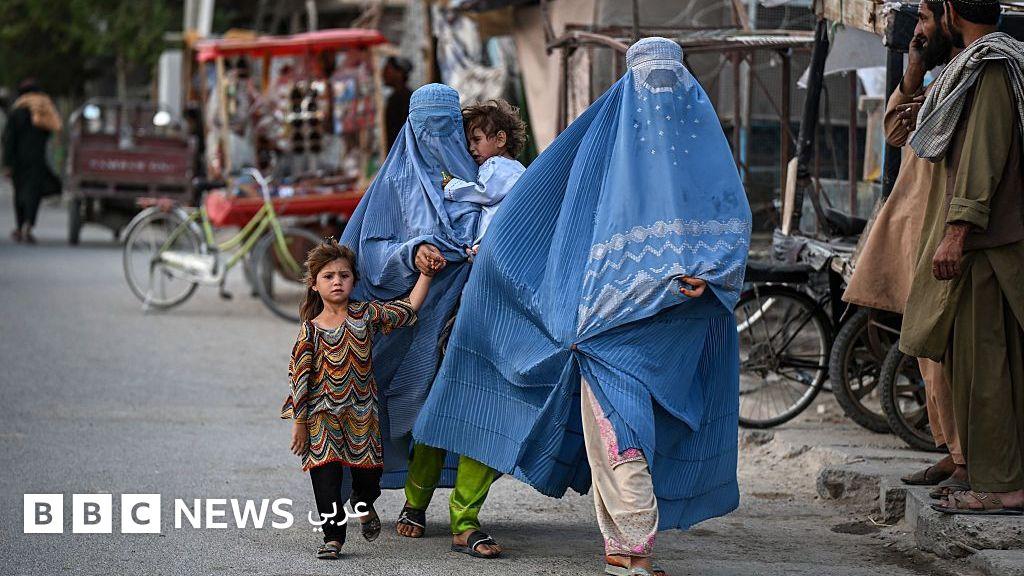
Beyond rights restrictions, Swissinfo said Afghanistan’s humanitarian crisis has worsened since the Taliban’s return to power in August 2021, describing a World Food Programme account from Kabul where “Under normal circumstances, a baby’s bottle would be filled with milk, but this family could not afford it.” Swissinfo reported that of the 14 million people facing acute hunger, the World Food Programme can now feed only one in nine, and it quoted John Elef saying: “It is painful to tell a mother who has walked hours, carrying her emaciated baby, that there is nothing to offer.” The same Swissinfo report said UN agencies estimate 21.9 million people, nearly half the population, need humanitarian assistance, including 11.6 million children, and it added that 14 million Afghans will face acute hunger in 2026.
It also linked the crisis to women’s exclusion, stating that Afghanistan remains the only country in the world that prevents girls and women from continuing secondary and higher education and that restrictions on women’s work add to the economic burden on already-poor and hungry families. Swissinfo described how Nadia, a midwife, told Swissinfo that “Since the Taliban seized power, it feels like the entire country is burning,” and it said she described the situation as “hell for everyone, especially women and girls; they have been deprived of the opportunity to learn and work.”