Israeli Politicsupdated 20m ago3 min read
Archive photoGadi Eisenkot Urges Allies and Arab Parties to Keep Knesset Deputies Until December 7
“current Prime Minister Benjamin Netanyahu's 11th-hour gambit signals he's on the verge of being pushed out.”
“Reports of progress in coalition negotiations came throughout the day, with the possibility of a government being formed by the end of the week”
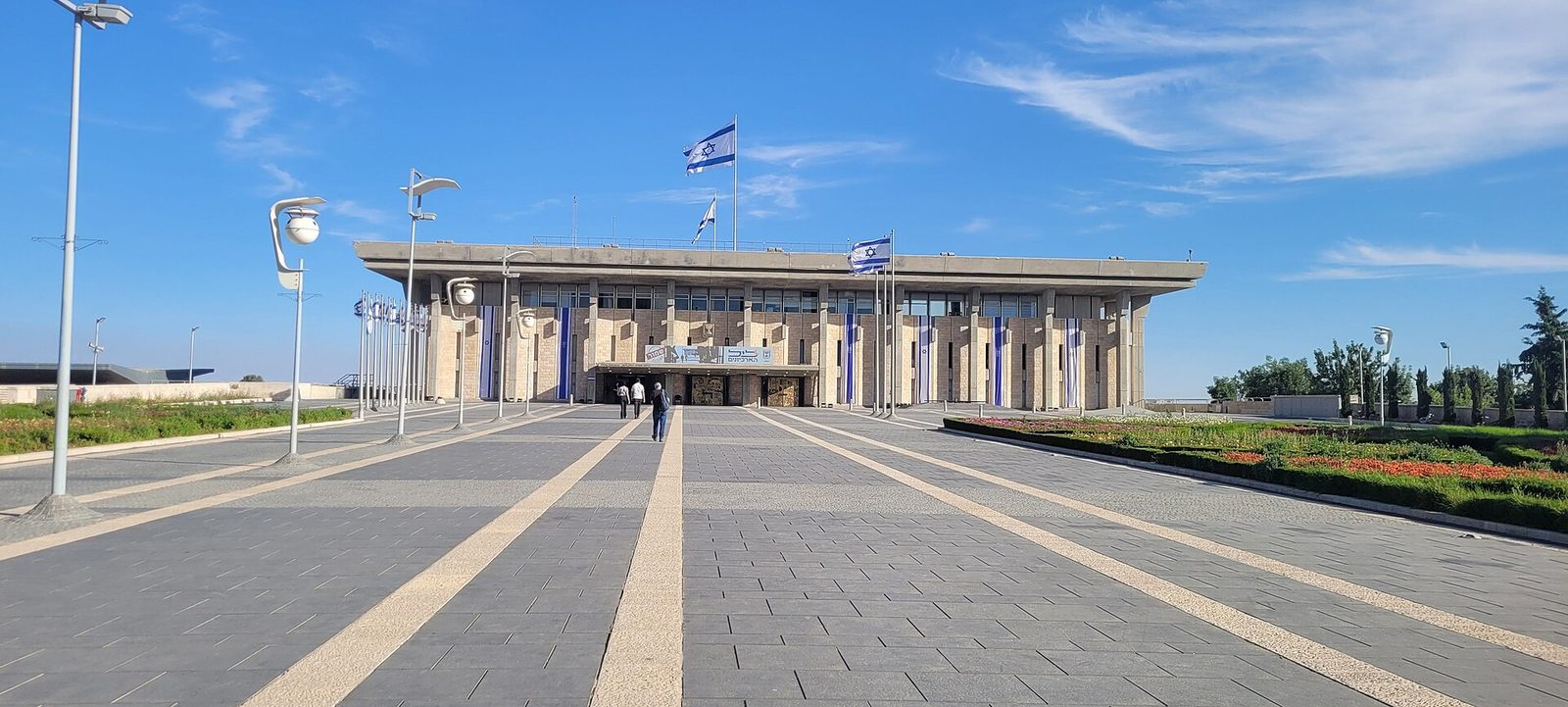
Photo: Shlomo Spitzer (שלמה שפיצר), CC BY 2.5 · Cropped for layout
This article is an automated aggregation of coverage from news outlets. Our editorials offer in-depth analysis curated by the NewsCord team.
Eisenkot and Netanyahu discussed forming a national unity government with a rotation. Eisenkot has eight days left to form a government and accuses Likud of stalling.
Save coverage image
Rotation, investiture, timing
Gadi Eisenkot, the Yashar party leader tasked with forming Israel's next government, pressed for a possible investiture vote by asking his allies and the Arab parties to keep all their deputies in the Knesset until Monday, December 7 inclusive. Roy Folkman, the president of Yeshar’s parliamentary group, told the bloc of change and the Arab parties in a letter addressed to the leaders of the parliamentary groups of Beyahad, Israël Beitenou, the Democrats, Ra’am and the United Arab List that they should not plan any travel abroad or any agreement to compensate for absences during parliamentary votes. Benjamin Netanyahu and Eisenkot met for two hours on Sunday at the Defense Headquarters in Tel Aviv, and Likud and Yashar released a joint statement saying Netanyahu and Eisenkot discussed forming a national unity government “in a substantive way, with both sides seeking to bridge the significant gaps between them.”
Eisenkot’s office said, “We will be with the Jewish majority,” while the Jerusalem Post reported that Netanyahu informed Eisenkot during the meeting that any rotation would not begin for several months and would follow a “one year each” arrangement. The Jerusalem Post also reported that Eisenkot was granted the mandate to form a government by the president on November 8, making this his final week to do so, with the option of requesting a 14-day extension.
Accusations and public positions
Gadi Eisenkot accused Likud of deliberately dragging out coalition negotiations, and he declared that he intends to form a government within the eight days remaining in his mandate. Eisenkot wrote, “If Likud genuinely wants to change its ways, my door remains open and my hand remains extended,” while Likud responded by saying, “Eisenkot, who do you think you're fooling?” A Likud spokesperson added, “Despite all this conduct and in light of the challenges facing the people of Israel, our hand remains extended toward a unity government, and we will do everything to achieve it,” as Eisenkot said his negotiating teams of Yashar and Likud had met five times over two weeks.
Yair Golan, who reached a coalition agreement with Eisenkot a day earlier, urged Naftali Bennett to “demonstrate courage and responsibility” and join efforts to form a government. Eisenkot argued that “Two weeks and five meetings are enough time to reach an agreement if there is a genuine desire to do so,” and he rejected serving as a rubber stamp for another Netanyahu government after October 7 and “everything that has happened here over the past four years.”

Minority government and US stakes
Israeli media described a move toward forming a minority government led by Gadi Eizenkot, with external support from the Yesh Atid party and Arab parties inside the Green Line, while Channel 13 said the Netanyahu and Eisenkot meeting ended with “very large gaps.” The Israel Broadcasting Authority quoted Eisenkot’s bloc as saying that the assessments after the meeting indicate a move toward forming a minority government, and the report said the wait-and-see mood continued as the minority government formula raised questions about what political understandings it could rely on. al-Quds al-Arabi said Washington does not view the potential departure of Benjamin Netanyahu as merely a change in Israel’s leadership, but as an opportunity to reset the relationship with Israel and restore waning American support for it.
al-Quds al-Arabi also said Eisenkott reached a breakthrough on Thursday by reaching an agreement with the Left-wing Democrats, and it reported that the agreement ends the party’s participation in negotiations in protest of Eisenkott’s contacts with Netanyahu’s Likud to form a national unity government. The report added that the Knesset advanced a bill to establish an official committee to investigate the October 7, 2023 attacks, a project opposed by the prime minister who prefers a government-formed committee, as Parliament also witnessed legislative moves regarding setting the term of the prime minister and barring criminally indicted individuals from holding the office.