
Israeli Politicsupdated 1h ago3 min read
Archive photo · 11 March 2024Netanyahu and Gadi Eisenkot Talks End Without Unity Government Deal
“Eisenkot welcomed the possibility of negotiations but questioned Netanyahu’s willingness to compromise.”
“it had ‘become clear that Eisenkot is not interested in a national unity government,’”
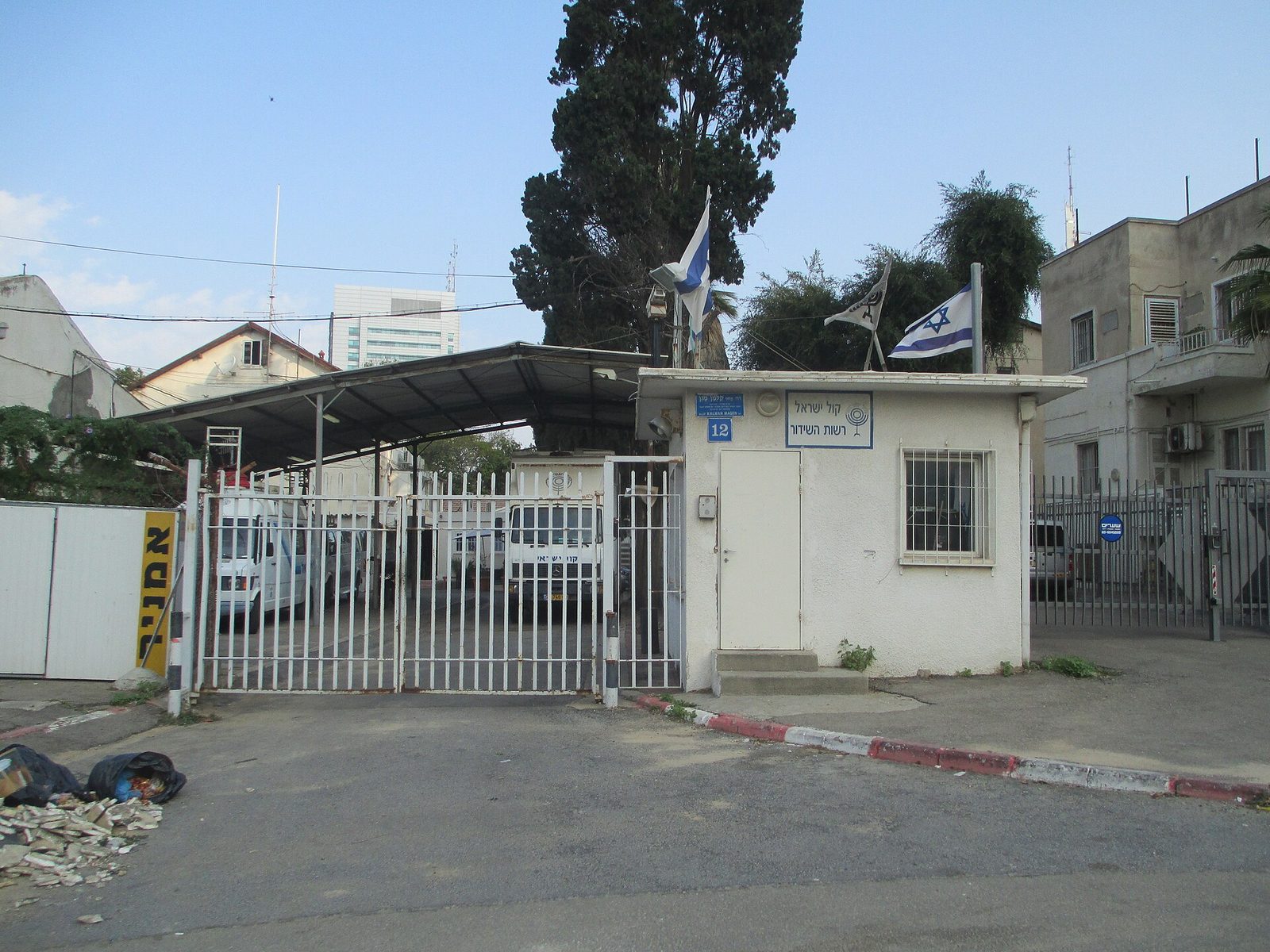
Photo: Chenspec, CC BY-SA 4.0 · Cropped for layout
This article is an automated aggregation of coverage from news outlets. Our editorials offer in-depth analysis curated by the NewsCord team.
Netanyahu proposed a two-year rotating premiership with Eisenkot, letting Eisenkot lead first. Talks ended without a unity government agreement due to deep differences.
Save coverage image
Talks end, no deal
Benjamin Netanyahu met his centrist rival Gadi Eisenkot for coalition talks on Sunday, but the meeting ended without an announced government agreement to bridge their differences. A joint statement from Likud and Yesh Atid said, "The discussion was businesslike, with both sides seeking to bridge the substantial differences between them," after the talks at the Israeli military headquarters in Tel Aviv. Eisenkot, whom President Isaac Herzog tasked with forming a government, had until December 6 to secure a parliamentary majority, with the option to request a one-time 14-day extension, although he ruled out seeking more time.
Netanyahu’s offer centered on a rotating premiership, with Eisenkot serving first as prime minister and Netanyahu later taking the role, after Netanyahu said he was willing to set aside the principle that the largest party should lead. The Guardian later described Eisenkot as appearing to have distanced himself from Netanyahu’s push for a unity government after the Sunday talks, while the Jerusalem Post said Netanyahu and Eisenkot were not expected to hold further talks after meeting for two hours.
Rotation offer meets resistance
Eisenkot told Netanyahu that he would assess the seriousness of Likud’s unity offer over the next 24 hours, saying, "If Likud is ready for genuine unity, I am prepared to see how serious it is over the next 24 hours," after Netanyahu proposed the rotation framework. Likud sources told the Jerusalem Post that it had "become clear that Eisenkot is not interested in a national unity government," arguing that Eisenkot’s refusal to accept Netanyahu as the second prime minister meant he was "focusing solely on forming a government controlled by supporters of terrorism." Eisenkot’s office responded to the Post by saying, "We will be with the Jewish majority," as the talks ran into disputes over who would be included in any coalition.
Yair Lapid, cochairperson of the centrist Beyachad party, dismissed Netanyahu’s proposal as "yet another transparent con by a serial fraudster who has deceived every partner and violated every agreement," while Youssef Jabareen of the Arab-majority Joint List wrote on X that the "blood-stained, neglectful government must go." Al Jazeera reported that disagreements over including parties representing Palestinian citizens of Israel and ultra-Orthodox parties complicated Eisenkot’s coalition efforts, and it said the blocs led by Netanyahu and Eisenkot refused to take help from Arab parties that won a record 19 seats in the 120-member Knesset.
Deadline pressure and next moves
Eisenkot’s mandate to form a government was set to expire in the final week before December 6, and the Jerusalem Post said Eisenkot had the option of requesting a 14-day extension. The Jerusalem Post reported that Netanyahu told Eisenkot during the meeting that any rotation would not begin for several months and, even then, would follow a "one year each" arrangement. Boursorama said the talks ended without progress despite a last-minute concession by Netanyahu, and it added that Israeli media reported the negotiating teams canceled a planned meeting.
Al Jazeera said Eisenkot had until December 6 to secure a parliamentary majority, and it reported that his efforts were complicated by disputes over the inclusion of parties representing Palestinian citizens of Israel and ultra-Orthodox parties. Boursorama reported that Eisenkot had progressed in recent days in talks with an ultra-Orthodox party and an Israeli Arab faction to build a government without the outgoing prime minister, and it said that if Eisenkot’s camp finalized agreements it would hold 63 of the 120 seats in the Knesset.