Israeli Politicsupdated 26m ago3 min read
Archive photo · 20 December 2017Likud and Yashar End Unity Government Talks Without Deal in Herzliya Hotel Meeting
“has been subject to an International Criminal Court arrest warrant since 2024 over war crimes and crimes against humanity in Gaza.”
“Negotiating teams from Prime Minister Benjamin Netanyahu’s Likud party and MK Gadi Eisenkot’s Yashar party have begun a fresh round of talks”
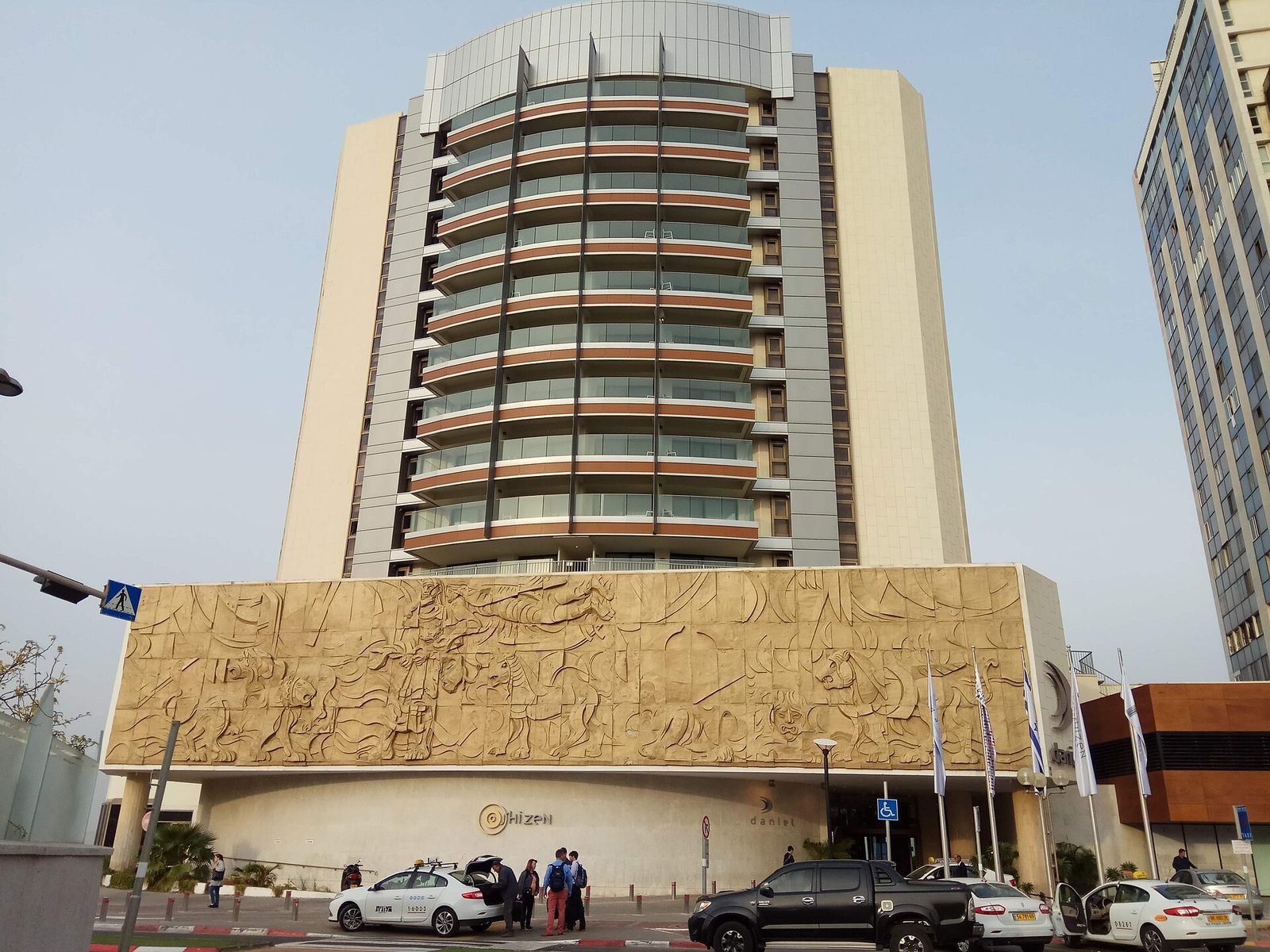
Photo: Avi1111 dr. avishai teicher, CC BY-SA 4.0 · Cropped for layout
This article is an automated aggregation of coverage from news outlets. Our editorials offer in-depth analysis curated by the NewsCord team.
Talks in Herzliya between Likud and Yashar on forming a unity government No deal reached; premiership and Ben-Gvir's role remain disputed
Save coverage image
Unity talks end, deadline nears
Netanyahu’s Likud and Gadi Eisenkot’s Yashar ended coalition talks without a deal after a meeting in a Herzliya hotel, with both sides still split on who would lead the next government and whether National Security Minister Itamar Ben-Gvir would be part of it.
Israel’s Channel 12 broadcaster said the delegations met in Herzliya on Sunday and remained divided on premiership and Ben-Gvir’s role, while a joint statement from the parties said they had “outlined their positions on a range of substantive issues” and that a “follow-up meeting would be held,” without a date.
President Isaac Herzog tasked Eisenkot on Nov. 8 with forming a government, and Eisenkot has until December 6 with the possibility of a 14-day extension after the October elections gave his bloc 48 seats, 13 short of a majority.
The sources also tied the talks to the question of whether a unity government would include parties led by Palestinian citizens of Israel, after the October election gave that bloc a record 19 seats.
If unity talks fail, Yashar plans to seek a confidence vote in the Knesset for a minority government before Eisenkot’s mandate expires, relying on outside support from the Arab Joint List led by Yousef Jabareen and the United Arab List led by Mansour Abbas.

Disputes over rotation and Ben-Gvir
Likud and Yashar agreed to hold another round of talks after a 4-hour meeting failed to find consensus, and the parties’ joint statement said their delegations presented their positions on key issues before agreeing to meet again. Anadolu Ajansı reported that Yashar insisted Eisenkot serve as prime minister for the full term, while Likud wanted Netanyahu to take the premiership, and the dispute over Ben-Gvir’s inclusion remained unresolved. Israel’s Channel 12 broadcaster earlier reported that Eisenkot’s team called for excluding Itamar Ben-Gvir from the next government, a demand Likud declined to commit to in advance.
The Jerusalem Post reported that Eisenkot’s office confirmed the central issue of forming a government through a rotation agreement was not discussed at the meeting, while Israeli media reported Likud reportedly insisted that Haredi representatives participate in discussions on Haredi conscription. Yashar demanded that Otzma Yehudit be excluded from any potential unity government, but Likud refused to commit according to Israeli media reports, leaving the premiership dispute and coalition composition still unresolved.
Confidence vote and coalition conditions
Yashar planned to seek a Knesset confidence vote for a minority government before Eisenkot’s mandate expires on Dec. 6, and the proposed minority government would rely on outside support from the Joint List led by Yousef Jabareen and the United Arab List led by Mansour Abbas.
Anadolu Ajansı described the two Arab lists as holding 19 seats between them, and it said a minority government can win a confidence vote if votes in favor outnumber votes against, with lawmakers outside the coalition able to back it in key votes without taking Cabinet posts.
The Likud’s conditions for a unity government included ending “all personal attacks and incitement” and stopping the political “boycott” of Netanyahu and the government, while the party also called for a joint statement committing to the formation of a unity government that includes “all parties that support the existence of the State of Israel as the nation-state of the Jewish people,” without Arab parties’ participation.
Yashar’s position rejected joining a coalition led by Netanyahu, and the party said Eisenkot asked his negotiating team to invite Likud counterparts to “a series of marathon talks” to consider all options.
The sources also placed the talks under a broader political deadline, with Eisenkot having until Dec. 6 to assemble a coalition and Herzog having the ability to grant a two-week extension if the deadline was not met.