Israeli Politicsupdated 17m ago3 min read
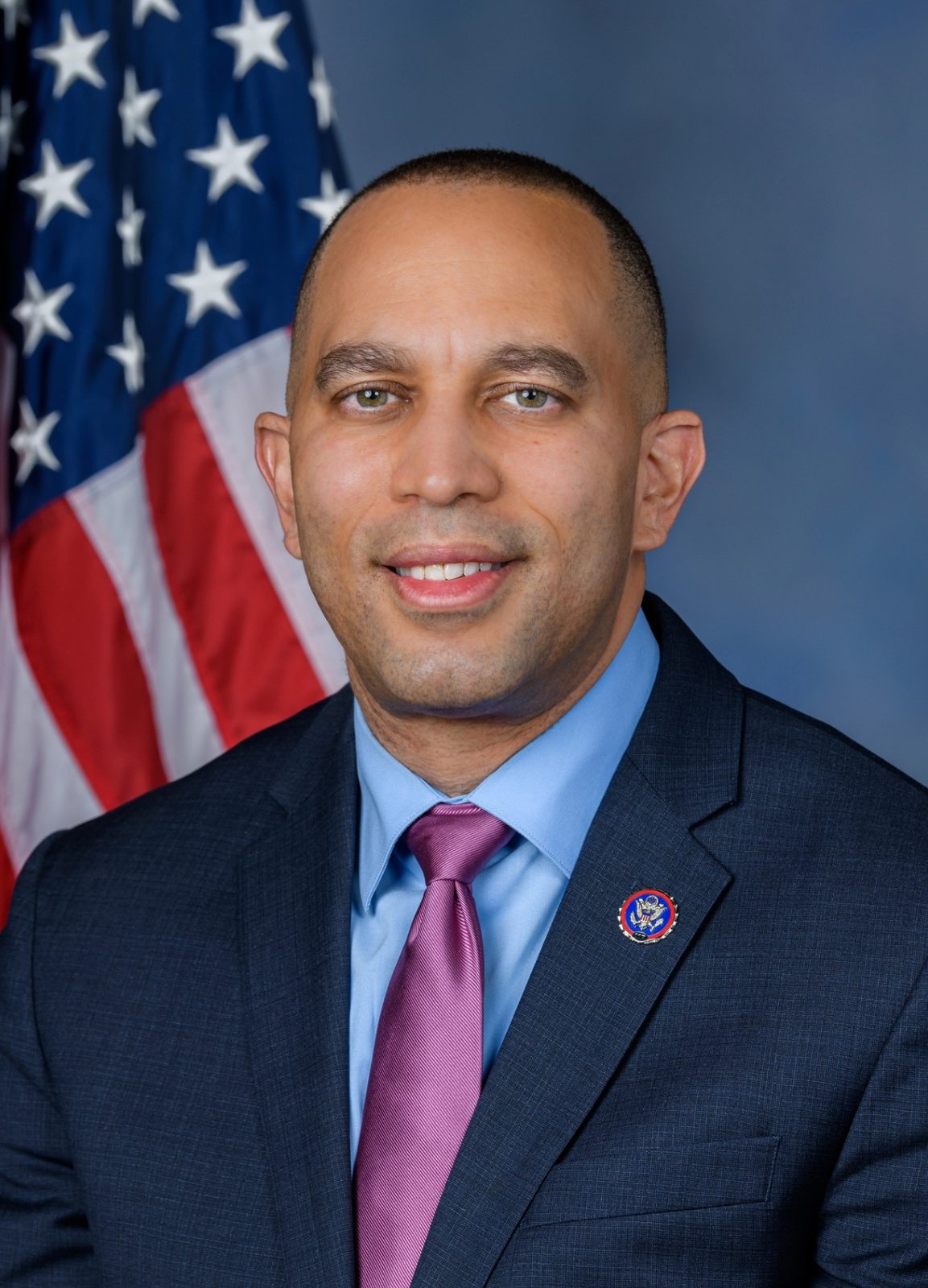
Archive photoHakeem Jeffries Calls for “Dramatic Change” in Israel, Gaza and U.S. Policy
2 Other2 West Asian2 Western Mainstream2 Other source typesPhoto: Office of Representative Hakeem Jeffries / US federal government, Public domain · Cropped for layout
This article is an automated aggregation of coverage from news outlets. Our editorials offer in-depth analysis curated by the NewsCord team.
Jeffries calls for dramatic change in US policy on Israel and Gaza. He signals shift from unconditional support to a new paradigm.
Save coverage image
8 outlets in this story. Read their headlines below.
Jeffries and US support
Rep. Hakeem Jeffries said at a press conference last week that he wanted to see "dramatic change" in Israel, Gaza and "a new paradigm" for U.S. policy, even as the Haaretz account said he had not shared many details of what that would look like.
Eric Fingerhut, president and CEO of the Jewish Federations of North America, warned that “worrying signs” over Israel were appearing within both major U.S. political parties, after the organization’s General Assembly in Washington brought together around 2,500 representatives of Jewish communities in the United States and Canada.
Fingerhut described the Nov. 3 midterm elections as “complicated,” and he pointed to victories by politicians he called loyal friends of the Jewish people, including House Minority Leader Hakeem Jeffries, Sen. Chuck Schumer and Rep. Debbie Wasserman Schultz.
Fingerhut also said he had “real concerns” about Democratic leaders embracing Abdul El-Sayed, who describes Israel’s actions in Gaza as genocide and advocates ending U.S. support for Israel and redirecting the money toward improving Americans’ living conditions.
The Anadolu Ajansı account tied the warning to growing pressure over American military assistance, while the Haaretz account framed Jeffries’s shift as moving from unconditional support for Israel to calls for a new paradigm.
Schumer leadership fight
A Dec. 1 vote for Senate majority leader could shape whether Democrats push for votes on restricting aid to Israel, with Sen. Chuck Schumer facing a leadership challenge from Sen. Chris Van Hollen of Maryland.
Schumer would have influence over which bills receive floor time, which amendments get considered and how the party manages disagreements over Israel.
Van Hollen has repeatedly called for restrictions on U.S. military aid to Israel, supported measures to block weapons sales and accused Israel of committing genocide in Gaza.
Van Hollen told the New Jewish Narrative’s annual gala in Washington last month, “We’re doing nobody any favors by providing a blank check regardless of the conduct of the government of Israel.”
Senate Democrats would choose their leader in a secret-ballot election on Dec. 1, and a candidate would need 29 votes to win if all 56 members participate.
Aid levels and negotiations
Fingerhut said he understood Netanyahu’s and Trump’s positions on ending direct U.S. military assistance to Israel, while he voiced concern over mounting political pressure to prevent Israel from purchasing American weapons even after direct assistance ends.
Yedioth Ahronoth reported on Nov. 9 that Washington and Israel were negotiating a new military assistance agreement, with Israel hoping to conclude the deal before the new Congress takes office in January.
The proposed agreement would maintain annual direct military assistance at $3.3 billion but shorten its duration from 10 years to five after the current arrangement expires in 2028, reducing the total from $33 billion to approximately $16.5 billion before direct assistance ends entirely.
The cessation of the 3.8 billion dollars in annual aid was announced by Donald Trump to CBS after he agreed with Prime Minister Benjamin Netanyahu, and it was not yet known whether the faucet would be closed gradually or when the agreement ends in 2028.
A Gallup poll last February showed 41% of Americans sympathize more with the Palestinians compared to 36% in favor of the Israelis, and Gilad Erdan said, "In the last elections support for Israel became something toxic."