Technology and Scienceupdated 51m ago2 min read
Guinea-Bissau Police Seize Hepatitis B Vaccines After Council Rejects Newborn Trial
This article is an automated aggregation of coverage from news outlets. Our editorials offer in-depth analysis curated by the NewsCord team.
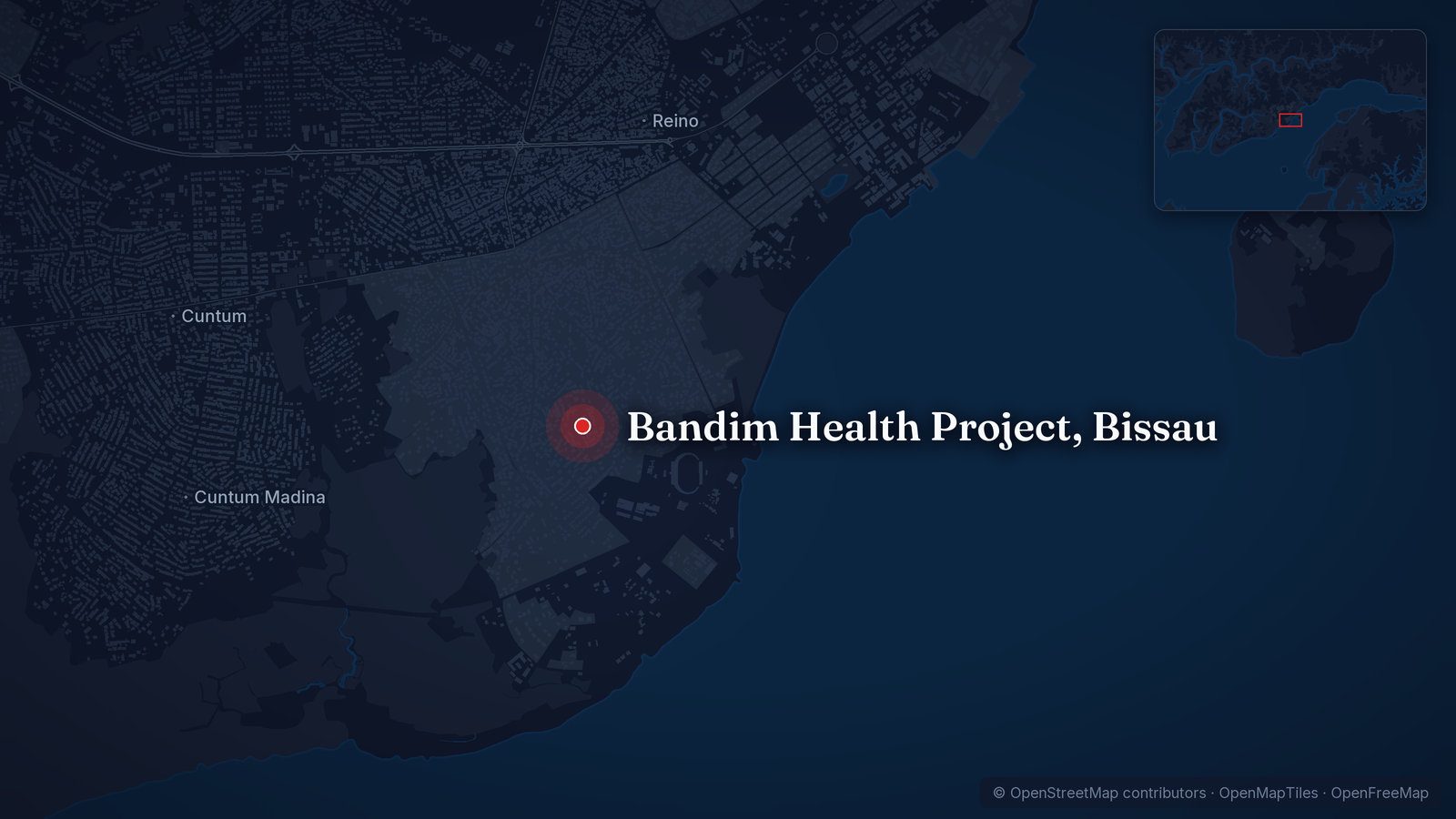
Guinea-Bissau government rejected the US-backed newborn hepatitis B trial. Judicial Police raided Bandim Health Project, seizing hepatitis B vaccine doses for the newborn trial.
Save coverage image
Explore source coverage 5 source types
Directory totals describe our source library, not outlets checked for this story.
8 outlets told this the same way.
Outlets did split on Marco Rubio Says Elon Musk Controls Ukraine Starlink And Starshield Access →
Trial rejected, vaccines seized
Guinea-Bissau’s Council of Ministers formally reaffirmed its non-acceptance of a proposed hepatitis B vaccine newborn trial on 16 October, according to Christine Stabell Benn in an email to Ars Technica. Judicial police in Guinea-Bissau raided Bandim Health’s offices and seized vaccines after the trial was rejected, and Stabell Benn highlighted that the police search came after the government’s decision.
The Danish researchers leading the HBV-NSE study said police attended the Bandim Health Project’s premises in Bissau on Monday and sealed the refrigerator containing hepatitis B vaccines intended for the proposed study. The Danish researchers also said the study had not started and that no children had been enrolled or vaccinated as part of the trial, so the police action did not interrupt an ongoing clinical trial.
Ethics dispute and funding
The World Health Organization said the trial was unethical because it would provide the hepatitis B birth dose vaccine while withholding it from some study participants, exposing newborns to serious and potentially irreversible harm. The WHO also said the trial “posits hypothetical safety outcomes without sufficient credible evidence” to justify putting newborns at risk, and it framed the ethics dispute as a conflict over scientific justification and safeguards.
Frederik Schaltz-Buchholzer said the project would no longer proceed in Guinea-Bissau because the necessary government approval had not been granted, and he announced the decision in a LinkedIn post that it “will not move forward in Guinea-Bissau”. The planned study would have involved 14,000 newborns, and the Danish researchers said it would have provided vaccine doses for all participants starting at six weeks of age while leaving newborns at risk of infection that could lead to lifelong consequences.
What happens next
The Guardian reported that the police search took place on Monday and that the seizure did not point to “irregularities in the quality, safety, or effectiveness of the vaccines,” according to a social media post translated from Portuguese. Tarik Jašarević, a spokesperson for the World Health Organization, said any study that would deny the vaccine to participants was “unethical and exposes newborns to serious and potentially irreversible harm,” and he called hepatitis B vaccination at birth an “essential public health intervention.”
The Bandim Health Project was founded by anthropologist Peter Aaby in 1978 and is now co-led by his wife, Christine Stabell Benn, as the dispute over the trial’s approval and design continued. The Guardian said the Bandim organization is now fundraising to help roll out the vaccines at birth to all newborns in the country, while the WHO and its partners have been advising the ministry of health on the planned introduction of the hepatitis B vaccine and the potential impact of the study.