
Gulf Economies Bleed as Iran War Disrupts Energy, Trade, and Confidence
Key Takeaways
- Oil price surged to about $115 per barrel amid Hormuz tensions.
- Gulf economies face rising capital costs and direct costs from war.
- Gulf states navigate a political-economic tightrope amid U.S.-Iran confrontation.
Economic Shockwaves Spread
The US-Israeli war on Iran inflicted severe economic damage across the Gulf.
“Gulf banks face higher capital costs as war bites economies Show more sharing options Copy Link URLCopied”
GlobalCapital reported that Gulf banks face higher capital costs as central banks stepped in for support.
The Strait of Hormuz closure threatened over 11 million barrels per day of oil exports, with prices jumping from $65 to $115 per barrel.
Gideon Rachman analyzed the Strait as the strategic fulcrum tying energy security to the war's outcome.
Broader Economic Ripples
The economic disruption extended beyond energy to food, industry, and supply chains.
A third of the world's agricultural fertilizers are stuck behind a sea corridor ringed by missiles.

Capital flight accelerated, tourism and real estate sectors began to collapse.
The Gulf bore a direct share of economic consequences despite not being party to the war.
Political Consequences Emerge
Trump's war was framed as an unauthorized surprise assault without Congressional approval.
“The Strait of Hormuz”
Iran's Foreign Minister stated no negotiations are in progress and accused regional countries of complicity.
The CNN poll showed 70% of Americans disapproved of the strikes.
The Gulf transformed from a stable economic powerhouse to a region grappling with existential restructuring.
More on Iran
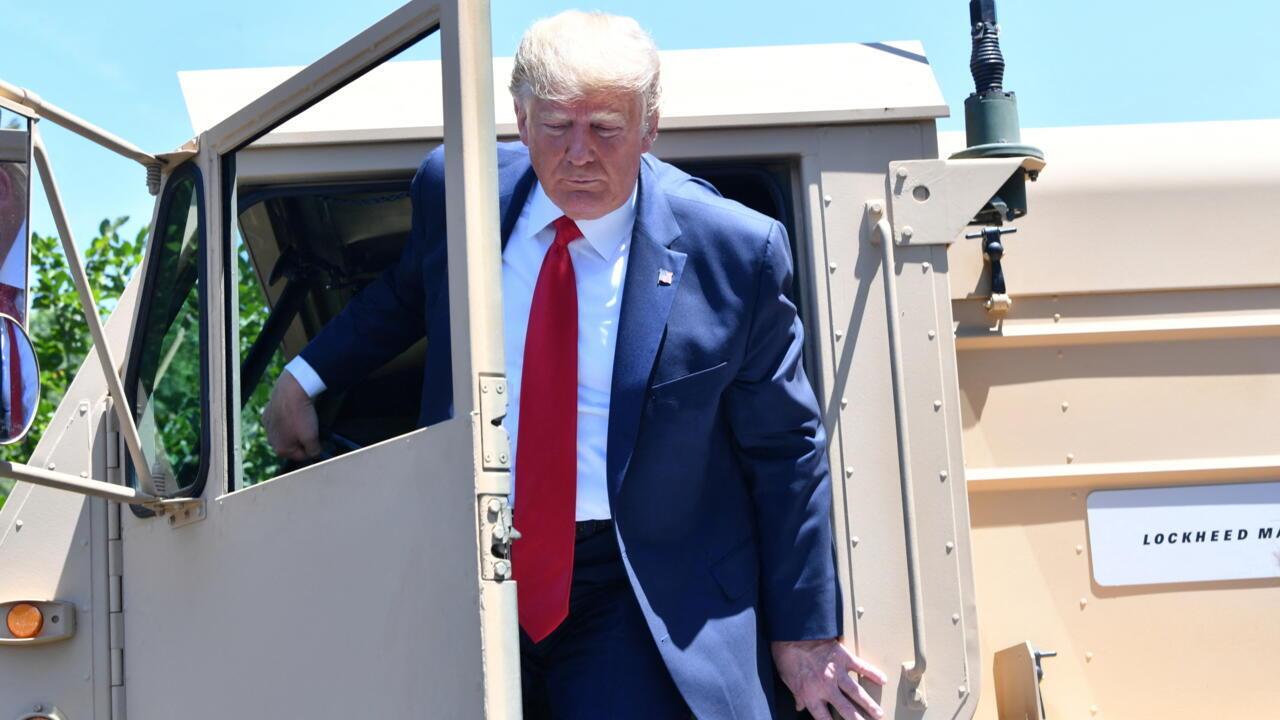
Pete Hegseth Defends Iran War Mission as Pentagon Estimates $25 Billion Cost
26 sources compared

Trump Prepares Extended Blockade of Iranian Ports for Months, Aides Discuss Pressure Measures
12 sources compared
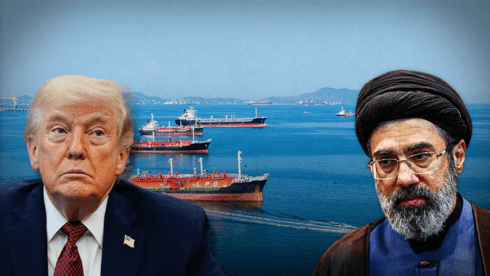
Donald Trump Vows To Keep Iran Naval Blockade Until Nuclear Deal Is Reached
18 sources compared

Trump Tells Aides to Prepare Extended Blockade of Iranian Ports as US-Iran Talks Stall
23 sources compared