Gulf states seek to balance diplomacy with deterrence policies as Iran war threatens region
Key Takeaways
- Gulf states relied on diplomacy and open channels with Tehran for years.
- Missiles and drones have reached the Gulf, threatening oil and gas facilities and civilian sites.
- Escalation forces Gulf states to balance diplomacy with deterrence as the conflict enters insulated states.
Escalation reaches Gulf
For years, Gulf states relied on diplomacy and open channels with Tehran to manage regional tensions.
“For years, Gulf states relied on diplomacy and open channels with Tehran to manage regional tensions”
That approach is now under strain from direct threats, as missiles and drones have reached the Gulf, bringing the conflict directly to countries that had sought to stay insulated and raising the central question of whether diplomacy was ever enough to keep the war at a distance.
Israeli and US actions against Iran, including strikes on Kharg Island, have widened the confrontation and altered its strategic logic.
Energy infrastructure has become one of the clearest pressure points, with Israeli strikes on Iran’s South Pars gas field—shared with Qatar—followed by Iranian retaliation targeting Ras Laffan Industrial City, showing that the conflict is no longer confined to military targets but is now affecting economic lifelines.
Diplomatic meeting and de-escalation
Riyadh convened a high-level ministerial meeting uniting Arab and Muslim nations, including Gulf states, plus Egypt, Jordan, Turkey, Pakistan, and others.
Participants condemned Iranian missile and drone attacks targeting civilian infrastructure, energy facilities and sovereign territory, while reaffirming the right of states to defend themselves under international law.
The statement signaled a shift toward legitimizing potential responses while maintaining a formal commitment to de-escalation, and it emphasized continued coordination and consultation among participating countries, stressing that sovereignty and noninterference would be central to any future engagement with Tehran.
Deterrence and Gulf coordination
Saudi messaging following the meeting illustrated a recalibration: diplomacy remains but is paired with a more explicit deterrent posture, and the region is moving toward stronger energy- and infrastructure-focused security coordination.
“For years, Gulf states relied on diplomacy and open channels with Tehran to manage regional tensions”
A Qatari political analyst described the duality of maintaining dialogue while strengthening deterrence, noting that the Gulf’s core position toward Iran has not fundamentally changed, but the conditions under which it operates are shifting rapidly.
He added that Gulf economies’ energy interdependence makes a durable stance possible only with deterrence and that the region’s air defenses are being tested as Iran continues its missile and drone attacks, while signaling that avenues such as diplomatic pressure and international alliance-building may grow in importance.
Analysts suggested that the GCC Unified Military Command is advancing coordination but may not become a NATO-like force, and that no new formal security arrangements were announced.
Pakistan’s participation was framed as flexibility rather than a formal security alliance, expanding political and strategic coordination without binding commitments.
Saudi Arabia is described as consolidating its role as central coordinator of Gulf responses, balancing deterrence with continued diplomatic engagement in the broader energy-security context.
Normalization prospects and outlook
Analysts emphasize that responsibility for the escalation is not attributed to a single actor, with Israel widely seen as playing a central role in pushing toward a wider confrontation, even as the broader Gulf bloc seeks to avoid a formal alliance while expanding coordination.
Normalization with Israel in the near term looks unlikely given the current escalation and regional public sentiment.
The region is attempting to blend dialogue with deterrence, pursue greater intra-Gulf coordination, and preserve flexibility while avoiding direct military escalation.
However, the central dilemma remains: how to combine diplomacy with deterrence in a way that prevents wider involvement as attacks on energy infrastructure continue and the margin for escalation narrows.
More on Iran
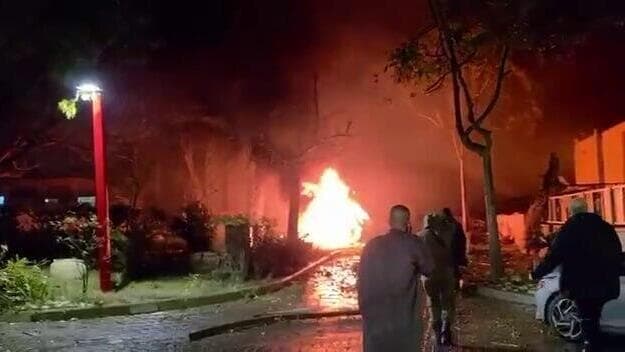
Iran Attacks Israeli Towns Dimona and Arad Near Israel's Main Nuclear Research Center, Dozens Wounded
43 sources compared
Iran Attacks Dimona in Retaliation for Natanz Strike
44 sources compared

Iran Attacks Diego Garcia with Long-Range Missiles, Targeting U.S.-UK Base
82 sources compared
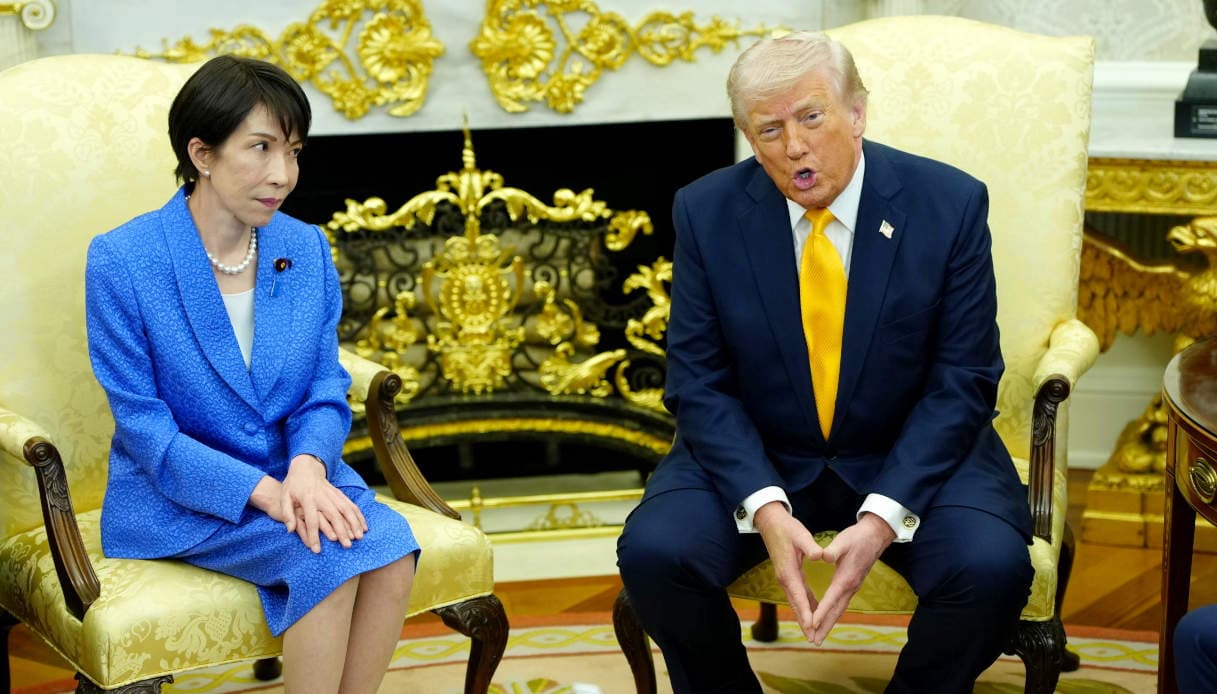
Trump Defends Iran War by Citing Pearl Harbor
12 sources compared