Lebanon19 November, 20263 min read
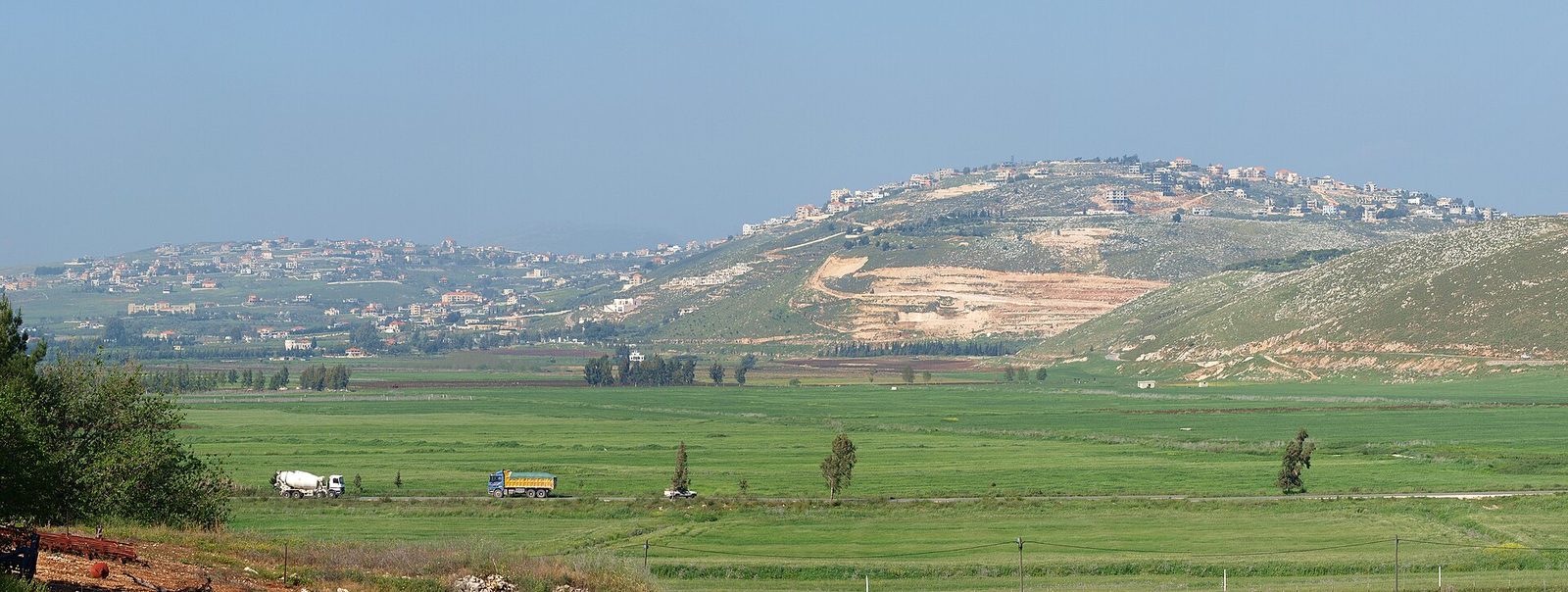
Archive photo · 30 April 2013Guterres Warns UNIFIL Mandate End Risks Lebanon Security Vacuum and Renewed Confrontation
2 West Asian1 Western AlternativePhoto: Staselnik, CC BY-SA 3.0 · Cropped for layout
This article is an automated aggregation of coverage from news outlets. Our editorials offer in-depth analysis curated by the NewsCord team.
UNIFIL mandate ends Dec 31 with no agreed replacement mechanism. Guterres warns of dangerous security vacuum risking renewed Lebanon-Israel confrontation.
Save coverage image
3 outlets in this story. Read their headlines below.
UNIFIL mandate nears end
António Guterres told the Security Council that the imminent end of UNIFIL's operational mandate only worsens Lebanon's problems, warning of a dangerous deadlock and a security vacuum that could result in renewed confrontation between Lebanese and Israeli forces.
Guterres warned that without progress there is a high risk the conflict could resume and drag on, and he called for the withdrawal of Israeli forces from all areas north of the Blue Line while urging Beirut to fully restore state authority so that only the Lebanese state is authorized to possess weapons and exercise authority.
UNIFIL recorded 521 airstrikes, detected 5,207 violations of Lebanese airspace, and noted 9,022 projectile trajectories from south to north between June 21 and Oct. 20, 2026, according to Guterres' final quarterly report under his mandate.
UNIFIL liaison mechanisms sent 6,252 notifications to Israeli forces during the reporting period, including 561 related to civilian movements and humanitarian operations, and the force also issued 875 notifications on behalf of the Lebanese Red Cross and Civil Defense.
The UNIFIL mandate is set to end operations at 23:59 on Dec. 31, and Candice Ardiel said that after midnight the mission will no longer legally have a mandate under Resolution 1701.
Beirut, Washington, and fears
Mike Waltz told Lebanese officials during a visit to Beirut that Resolution 1701 must be amended as discussions continue over a new international mechanism with a different structure and responsibilities, and he said Lebanon could not function with two armies. Joseph Aoun said Lebanon's priority was to renew UNIFIL's mandate, and he stressed that Resolution 1701 should remain the legal basis for any future international arrangements in southern Lebanon. Nawaf Salam told Waltz that any international presence should continue under a UN Security Council mandate, and he said its responsibilities should include monitoring, reporting, coordination and liaison between the parties, as well as supporting the Lebanese army in extending state authority across the country.
Ghassan Rifi warned that uncertainty persists over who could fill the security and operational gap left by UNIFIL, and he said a decision on any replacement force had become urgent because establishing, organizing and deploying such a mission would take considerable time. Rodolph Haykal did not meet Waltz, and Waltz cited time constraints, saying he had prioritized meetings with UN officials and political leaders.
What happens after withdrawal
Guterres said an impartial international presence, sufficiently robust to prevent friction, is considered essential, and he urged the Council to provide impartial monitoring mechanisms and information-sharing obligations. The reporting period included UNIFIL liaison mechanisms sending notifications to Israeli forces and issuing notifications on behalf of the Lebanese Red Cross and Civil Defense, and Guterres warned that withdrawal threatens crucial demining and explosive ordnance disposal capabilities vital for the return of displaced populations. Anadolu reported that analysts warned of a potential security and operational vacuum if UNIFIL's mandate expires without an agreement on a successor mechanism, and it said Beirut insists that any future international presence remain under a UN umbrella.
UA.News said UNIFIL is legally obliged to return its positions to the Lebanese authorities, but it reported that most facilities are located in areas where Israeli forces are present and Lebanese forces are not there to avoid possible clashes. In Shebaa, local authorities fear a security vacuum after the peacekeepers withdraw, while in Marjayoun a local official said UNIFIL did not prevent the spread of uncontrolled weapons but their social projects substantially helped people and communities.