Lebanonupdated 16m ago2 min read
Archive photo · 14 September 2006U.N. Security Council Set to Link Resolution 1701 to Lebanon Framework Agreement
“Israeli excavators demolish houses in the town of Zawtar al-Sharqiye in southern Lebanon on Wednesday.”
“The framework agreement can no longer be left out of any resolution on Lebanon that the U.N.”
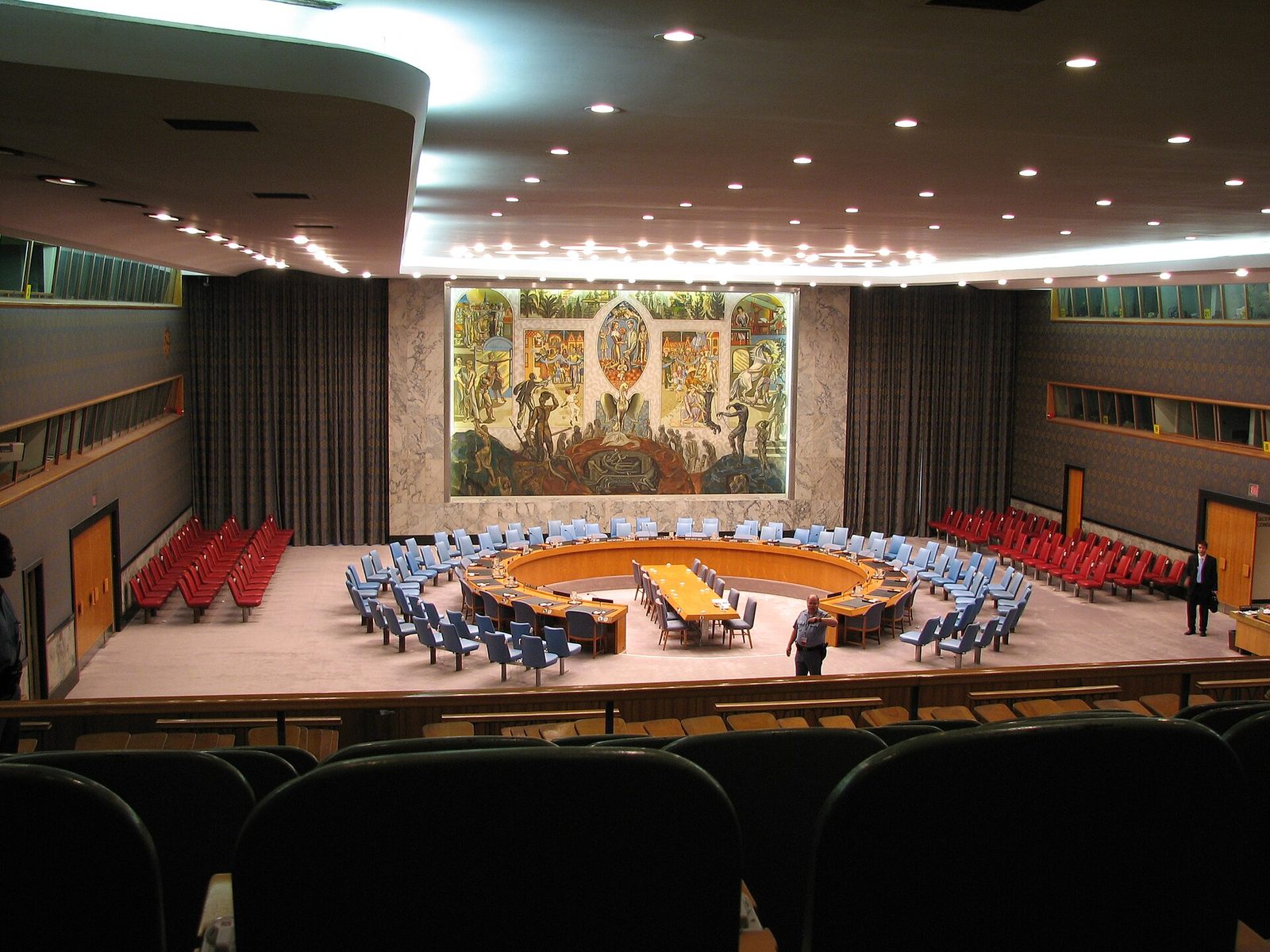
Photo: Hu Totya, CC BY-SA 3.0 · Cropped for layout
This article is an automated aggregation of coverage from news outlets. Our editorials offer in-depth analysis curated by the NewsCord team.
Security Council to link Resolution 1701 with the Framework Agreement. Security Council weighs internationalizing the Framework Agreement and replacing UNIFIL with an alternative force.
Save coverage image
Resolution 1701, framework focus
Lebanese officials across the political spectrum said the framework agreement can no longer be left out of any resolution on Lebanon that the U.N. Security Council is expected to adopt when it meets next week.
“The Lebanese state is now expected to approve the draft resolution ahead of its adoption by the Security Council.”
L’Orient Today said the Lebanese state is now expected to approve the draft resolution ahead of its adoption by the Security Council, and it said that approval is needed to avert a possible veto by one of the Council’s permanent members.
L’Orient Today reported that the draft resolution will be based on Resolution 1701 and the tripartite framework agreement between Lebanon, Israel and the United States, while it said the final wording has yet to be determined.
Middle East Eye showed Israeli excavators demolishing houses in the town of Zawtar al-Sharqiye in southern Lebanon on Wednesday, describing the area as among the first "pilot zones" where the Lebanese army has been deployed under a framework agreement reached between Israel and Lebanon in June.
UNIFIL end, internationalization debate
Consultations are set for next week in New York, restricted to members of the United Nations Security Council, to examine the alternative force that will replace UNIFIL as its mission nears its end at the end of this year. Lebanese sources told Asharq Al-Awsat that Waldhauser agreed with Lebanon’s insistence on Resolution 1701 and its implementation, and the alternative force must have UN backing.
Aoun and Salameh did not object to attaching the “Framework Agreement” to the resolution, unlike Berri’s objection, and Waldhauser did not raise the option of a civilian monitoring force. Lebanon is awaiting ongoing contacts between the United States of America and France to agree on an alternative to UNIFIL after American and Israeli rejection of an extension, and the French approach includes establishing an independent French military presence alongside strengthening the Lebanese army.
Legal binding and next steps
Al-Markaziya reported that US Ambassador to the United Nations, Micael Walts, visited Beirut with a proposal to internationalize the trilateral Framework Agreement by integrating it into the text of UNSC Resolution 1701 and amending it internationally. Al-Markaziya quoted lawyer Professor Antonious Abu Kasem saying, “The Security Council’s Resolution 1701 remains binding on Lebanon and Israel until the Security Council issues a new resolution that amends the obligations placed on the two states.”
Al-Markaziya added that Abu Kasem said, “Any new resolution could adopt the trilateral framework or its content without the need to draft or ratify this agreement in Lebanese constitutional institutions,” and it said he referenced Article 25 of the UN Charter. جريدة اللواء said the Security Council is discussing linking Resolution 1701 to the Framework Agreement and the Monitoring Force, and it reported that Lebanon is seeking as soon as possible to address the security vacuum in the south before UNIFIL’s mission ends at the end of this year.