Business01 June, 20263 min read
Guyana and Dominican Republic Sign Contract for Oil Exploration in Berbice Block
This article is an automated aggregation of coverage from news outlets. Our editorials offer in-depth analysis curated by the NewsCord team.
GDP per capita rose from $5,640 to over $33,000 due to oil boom. Guyana is described as the world's fastest-growing economy due to oil.
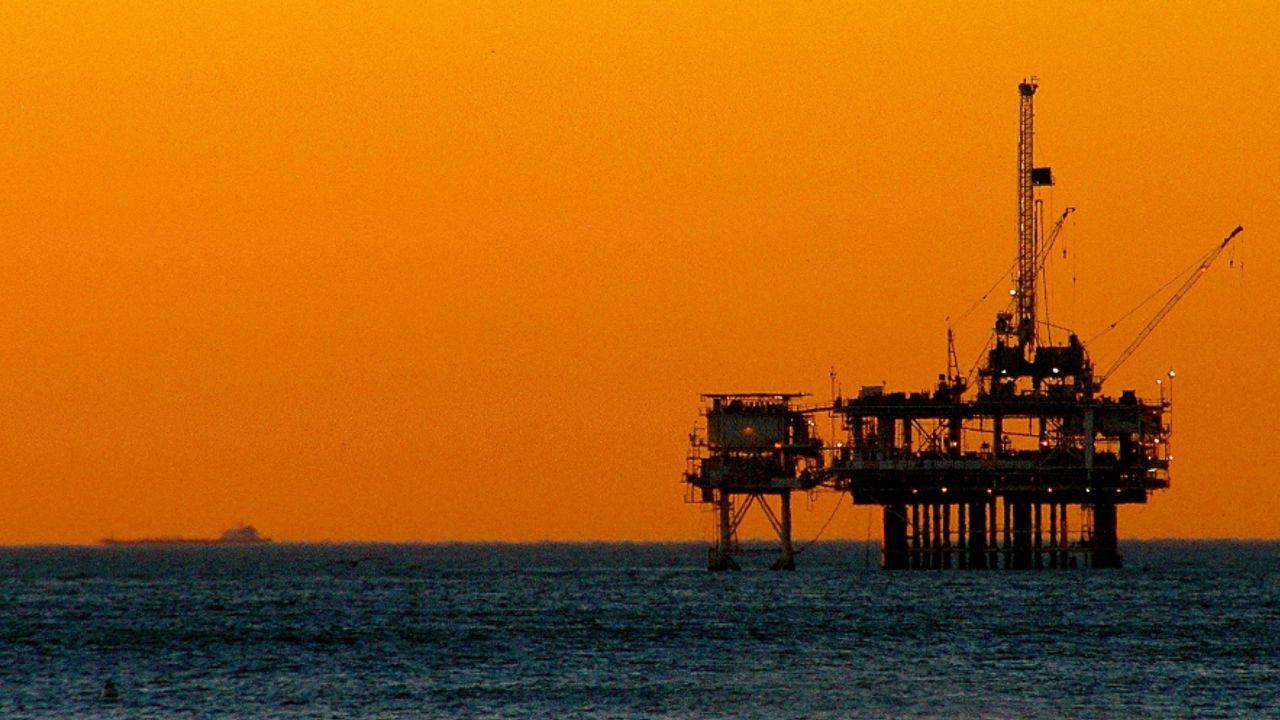
Contract in Berbice
Guyana and the Dominican Republic signed a contract for the exploration, development and eventual production of oil or natural gas in the Berbice block, located in Guyanese territory, during Dominican President Luis Abinader’s visit to Georgetown on May 14. The Guyanese presidency said the Government of the Dominican Republic, through Refinería Dominicana de Petróleo (Refidomsa), sought to “deepen cooperation and explore opportunities for strategic investment in Guyana’s oil and gas sector.” The Dominican Refinery of Oil will represent the Dominican state in the project, and the exploration license will be officially granted by the Government of Guyana.
The agreement allows the Dominican Republic to participate with a 10% stake in the Berbice block without the need to make a capital investment, and if exploration is successful, the Dominican Republic would have access to crude oil or natural gas on preferential terms. The signing took place with Guyanese president Irfaan Ali, alongside Dominican Minister of Energy and Mines Joel Santos and Refidomsa president Samuel Pereyra, as the two leaders’ conversations focused on regional energy security and future collaboration opportunities.
Boom, but uneven
Guyana’s oil boom has been tied to ExxonMobil’s offshore discovery announced on May 1, 2015 in the Stabroek block, specifically the Liza-1 well, 190 kilometers from the coast. The agreement that shaped how the state benefits is described as a Petroleum Agreement signed in 2016 by the Government of Guyana with the consortium led by ExxonMobil, Hess Corporation and the Chinese CNOOC, where ExxonMobil controls 45% and is the operator, Hess has 30% and CNOOC has 25%. In that framework, Guyana receives a royalty of 2% on gross oil production before profits are shared, and the contract allows the consortium to keep up to 75% of the remaining production to recover costs.
The Institute for Energy Economics and Financial Analysis (IEEFA) rated the agreement in May 2022 as one-sided, noting that the oil companies received nearly 85.5% of the project’s revenues in the early years while Guyana received only 14.5%. The IMF projects that Guyana’s economy will grow by 16.2% in 2026, after growth of 63% in 2022, even as the sources describe a persistent question over how much of the oil benefits stay in Guyana.
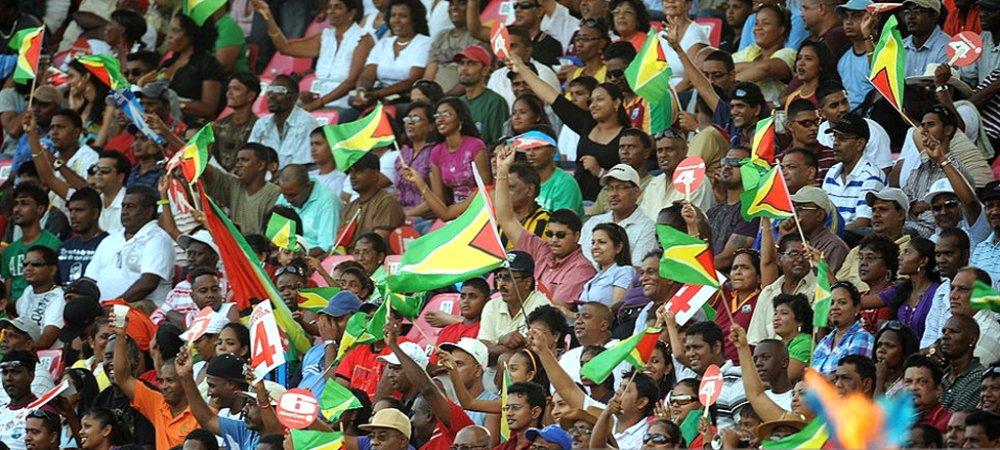
Next steps and pressure
The contract between Guyana and the Dominican Republic comes as Guyana’s oil production has surged, with the sources describing output averaging around 918,000 barrels per day in the Stabroek Block operated by ExxonMobil along with partners Hess and CNOOC. In parallel, the sources describe how Guyana’s government is under pressure to use oil-driven gains to boost other parts of the economy, while President Irfaan Ali said at Rice University’s Baker Institute that “Guyana will not be that story.” The Reuters account cited in the sources says crude prices up 30% since the start of the Iran war in late February could raise Guyana’s share of oil revenue to roughly $4.3 billion, 67% higher than last year, assuming oil at $100 per barrel through the rest of the year.
The same Reuters account says the Exxon consortium currently takes 75% of the oil to recoup its initial exploration and development costs, and that when costs are recovered the country’s share of the profit oil will climb from 12.5% to 50%. As Guyana prepares for larger profit shares earlier than expected, the sources also point to the need to manage expectations, with Ali warning that “This is the complexity of the messaging when people wake up every morning and see the headlines that you’re flush with money, it drives a certain expectation.”