Full story
Mediators and a 14-point plan
Iran’s diplomatic outreach to end the war with the United States and Israel has centered on proposals delivered to mediators, with Oman and Pakistan repeatedly described as key channels.
“Foreign Minister Hakan Fidan held a phone call with Oman’s Foreign Minister Badr bin Hamad bin Hamood Albusaidi”
Daily Sabah reported that Foreign Minister Hakan Fidan held a phone call with Oman’s Foreign Minister Badr bin Hamad bin Hamood Albusaidi, where they discussed “the current state of negotiations process between Iran and the United States.”
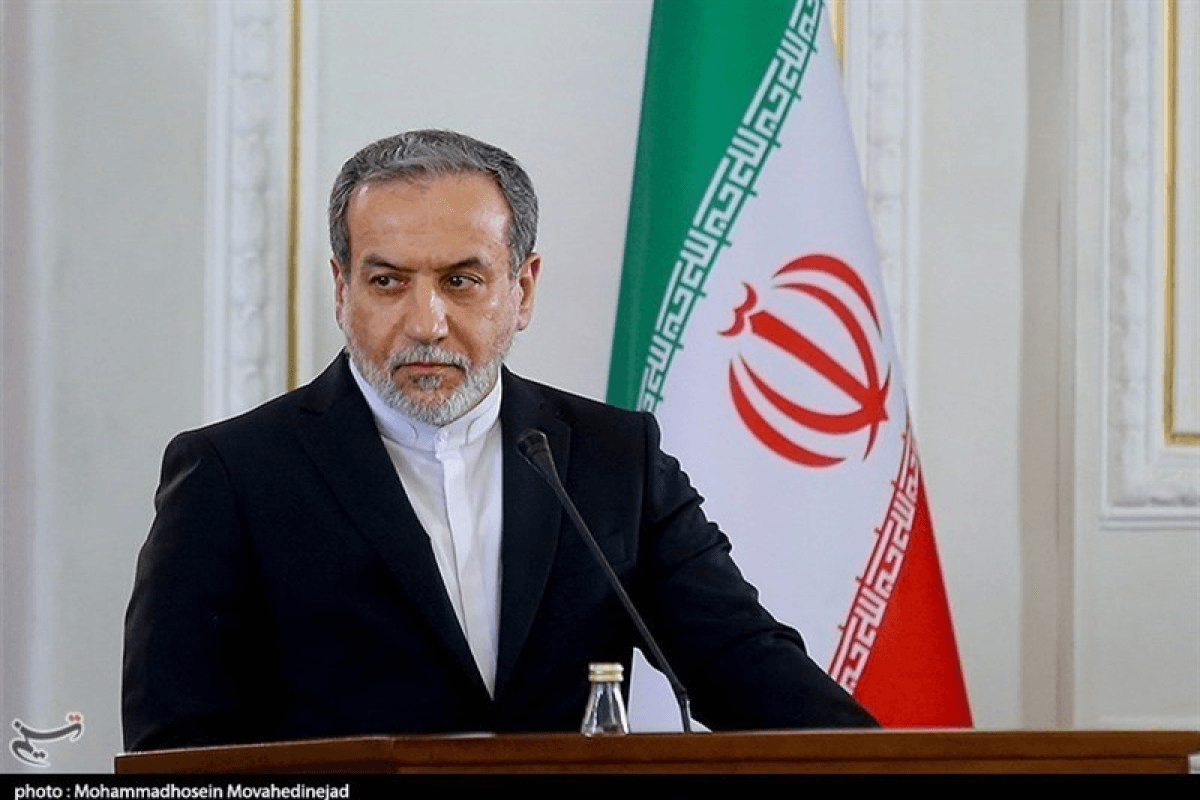
The same report said Albusaidi hosted Iranian Foreign Minister Abbas Araghchi “last weekend,” and that Iran’s top diplomat “returned to Pakistan after this visit.”
Daily Sabah also said Oman and Pakistan are among the countries seeking to mediate between the sides of the U.S.-Iran war, adding that Oman “stepped in first to mend ties between the U.S. and Iran before the all-out conflict began in February.”
It further stated that Pakistan “stepped in then and managed to bring sides in Islamabad,” where “talks in Islamabad de-escalated the crisis and led to a cessation of missile attacks by both sides.”
Daily Sabah described a deadlock after a cease-fire “came into effect on April 8,” and said “one round of peace talks to end the more than two-month war having failed in Pakistan.”
Daily Sabah tied the latest diplomatic push to Iran’s reported submission of a “14-point proposal” to mediator Islamabad, with Tasnim and Fars saying Tehran submitted “a 14-point proposal to mediator Islamabad.”
Araghchi’s calls and Muscat
Iranian Foreign Minister Abbas Araghchi’s efforts to end the war were also described through direct phone diplomacy with Oman and other regional and international counterparts.
WANA News Agency said that “Continuing his recent diplomatic phone calls,” Araghchi spoke “via telephone with the Foreign Minister of the Sultanate of Oman, Badr Al-Busaidi, on Sunday afternoon,” and that the “primary focus of the conversation was the current situation in the region.”
WANA added that Araghchi “briefed the Omani Foreign Minister on the Islamic Republic of Iran’s latest diplomatic efforts and initiatives aimed at ending the war,” including “addressing the escalations by the United States and the Israeli regime against Iran, and establishing regional peace.”
WANA reported that Araghchi traveled to Muscat “last week,” where he met “Sultan Haitham bin Tariq and his counterpart, Badr Al-Busaidi,” and that “Key topics during that visit included the management of the Strait of Hormuz.”
The agency said Araghchi then held similar consultations “including the foreign ministers of Qatar, Saudi Arabia, Iraq, and Azerbaijan,” and also spoke with “the foreign ministers of France, Italy, Japan, and South Korea.”
In parallel, Arab News Japan described a separate bilateral call in which Japan’s Foreign Minister Motegi told Araghchi that Japan has “strong expectations” for Iran’s ceasefire with the United States and Israel to be maintained and for “the early resumption of US-Iran talks and the achievement of a final agreement.”
Arab News Japan also said Motegi underscored “the importance of free and safe passage through the Strait of Hormuz for vessels of all countries” and requested that “the passage of all remaining vessels be realized as soon as possible.”
Trump’s doubts and the deadlock
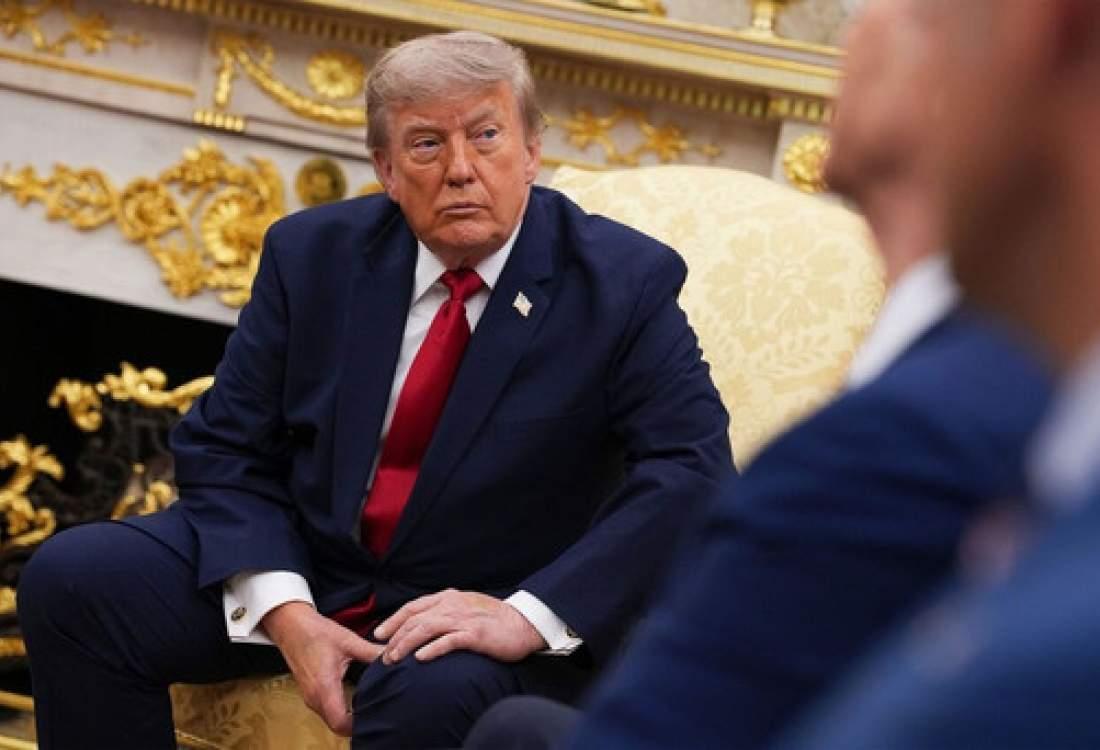
The diplomatic exchanges were framed against a backdrop of stalled negotiations and public skepticism from the U.S. president, with Daily Sabah quoting Donald Trump’s reaction to Iran’s reported plan.
“U.S. President Donald Trump said Saturday he will review a new Iranian peace proposal”
Daily Sabah said U.S. President Donald Trump “said Saturday he will review a new Iranian peace proposal,” but “cast doubt over its prospects as he left open the possibility of future attacks on Iran.”
It added that “Negotiations between the two countries have been deadlocked since a cease-fire came into effect on April 8,” and that “one round of peace talks to end the more than two-month war having failed in Pakistan.”
Daily Sabah reported that Iran’s Tasnim and Fars news agencies said Tehran submitted “a 14-point proposal to mediator Islamabad,” including “ending the conflict on all fronts and enacting a new framework for the crucial Strait of Hormuz.”
The report then included Trump’s direct quote on his Truth Social platform, stating: “I will soon be reviewing the plan that Iran has just sent to us, but can't imagine that it would be acceptable in that they have not yet paid a big enough price for what they have done to Humanity, and the World, over the last 47 years.”
Korea JoongAng Daily described the negotiation context through a call between Iranian and Korean officials, saying the call marked “the third conversation between the two ministers since the conflict began in late February following U.S.-Israeli strikes on Iran.”
It said Trump “extended a cease-fire deadline in early April,” urging Iran to present a “unified peace proposal,” while “ramping up pressure on Tehran through naval blockades and economic sanctions,” and that Trump was “not satisfied” with Iran’s latest proposal after talks in Islamabad ended without agreement.
Strait of Hormuz and safe passage
Across multiple reports, the Strait of Hormuz emerged as a recurring focal point for both mediation and operational concerns, with officials emphasizing navigation and passage.
WANA said Araghchi’s Muscat visit included “the management of the Strait of Hormuz,” and it described Araghchi’s consultations as aimed at ending the war and establishing “regional peace.”
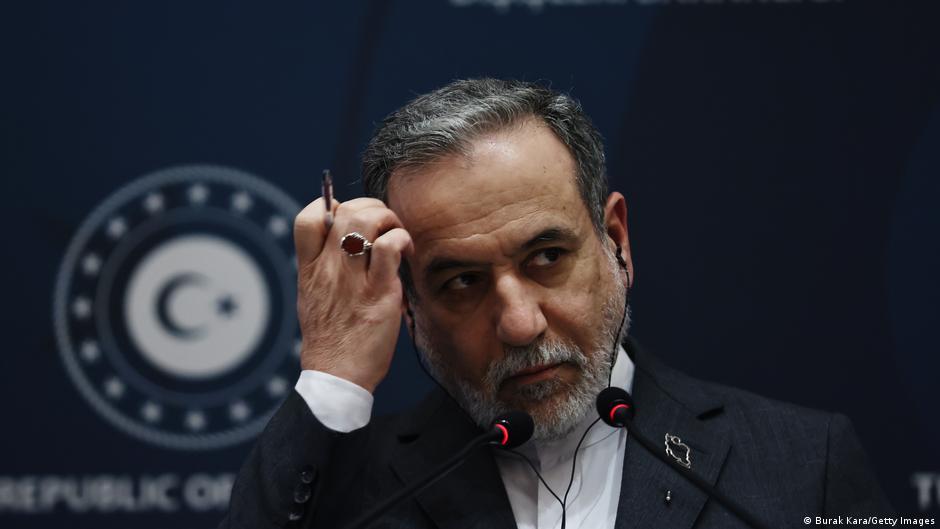
Arab News Japan reported that Motegi “underscored the importance of free and safe passage through the Strait of Hormuz for vessels of all countries” and requested that “the passage of all remaining vessels be realized as soon as possible.”
Korea JoongAng Daily added that Foreign Minister Cho Hyun called for “safe navigation of vessels through the Strait of Hormuz,” noting that “Korean and other international vessels remain anchored in the crucial waterway.”
That report said Cho “expressed hope for the swift restoration of peace and stability,” while Araghchi outlined Iran’s position on negotiations with the United States.
Korea JoongAng Daily provided a specific stranded-vessel figure, stating “A total of 26 Korean vessels, with more than 170 crew members on board, have been stranded in the Strait of Hormuz since the outbreak of the war.”
Daily Sabah tied Iran’s reported 14-point proposal to “enacting a new framework for the crucial Strait of Hormuz,” and described the cease-fire deadlock after “a cessation of missile attacks by both sides.”
France, Japan, and regional diplomacy
Beyond Oman, Pakistan, and Japan, the sources also described Iran’s phone diplomacy with France and additional international outreach aimed at ending the war.
“Seyed Abbas Araghchi, Minister of Foreign Affairs of the Islamic Republic of Iran, and Jean-Noël Barrot, Minister of Foreign Affairs of France, held a telephone conversation on Friday evening”
The Islamic Republic of Iran Ministry of Foreign Affairs reported that Seyed Abbas Araghchi and France’s Jean-Noël Barrot held a telephone conversation on Friday evening to discuss “regional and international developments.”
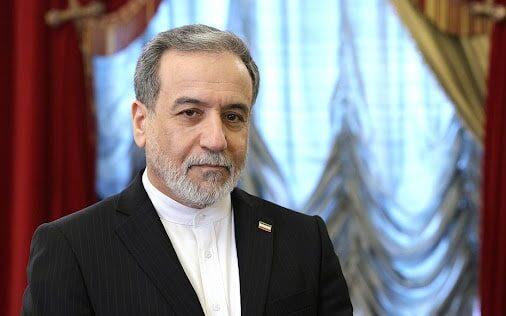
In that account, Iran’s foreign minister briefed France’s counterpart on “the Islamic Republic of Iran's positions and initiatives to end the imposed war by the United States and the Zionist regime against Iran.”
The French foreign minister, according to the same report, emphasized “his country's position in support of continued diplomatic initiatives” and expressed hope that “with the continuation of talks, we will witness the establishment of lasting peace and security in the region.”
WANA’s account of Araghchi’s outreach also listed France among the foreign ministers he spoke with, saying he “spoke with the foreign ministers of France, Italy, Japan, and South Korea to discuss Iran’s initiatives for ending the conflict.”
APA.az described a separate phone conversation in which Iranian Foreign Minister Seyyed Abbas Araghchi spoke with Japan’s counterpart Toshimitsu Motegi late on Saturday, discussing “the US and Israeli operation against the country on February 28.”
Arab News Japan and Korea JoongAng Daily both described Motegi and Cho Hyun urging ceasefire maintenance and safe passage, with Arab News Japan saying Motegi told Araghchi Japan has “strong expectations” for the ceasefire to be maintained.