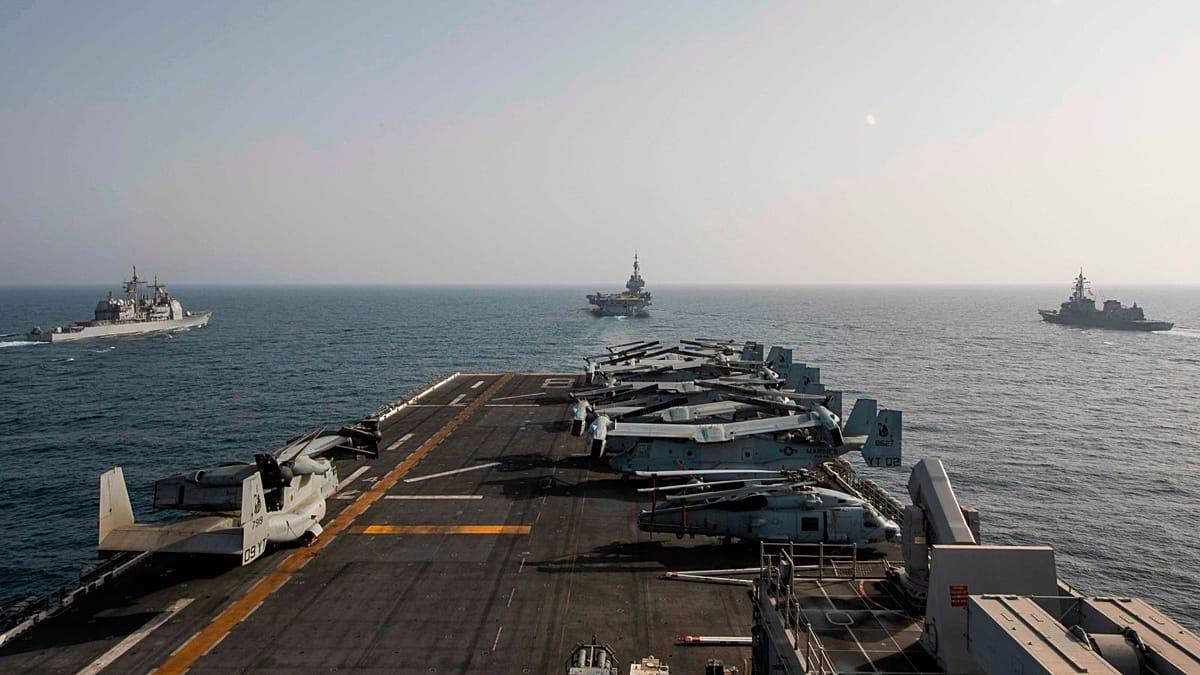
Pentagon Says U.S. Blockade In Strait Of Hormuz Cost Iran $4.8 Billion In Lost Oil Revenue
Key Takeaways
- Pentagon says U.S. blockade cost Iran about $4.8 billion in oil revenue.
- US began enforcing a blockade of all maritime traffic to/from Iran's ports.
- Iran's oil exports plunged; storage is filling as production is curbed.
Blockade costs Iran billions
The Pentagon says a U.S. naval blockade targeting Iran has cost Tehran approximately $4.8 billion in lost oil revenue, according to a Pentagon official familiar with the assessment on late Friday, as reported by Kurdistan24.
“Skip to main content May 1, 2026 - Politics & Policy Scoop: U”
The blockade, which “went into effect on April 13,” is described as part of a broader pressure campaign by Donald Trump aimed at forcing Tehran back to the negotiating table.
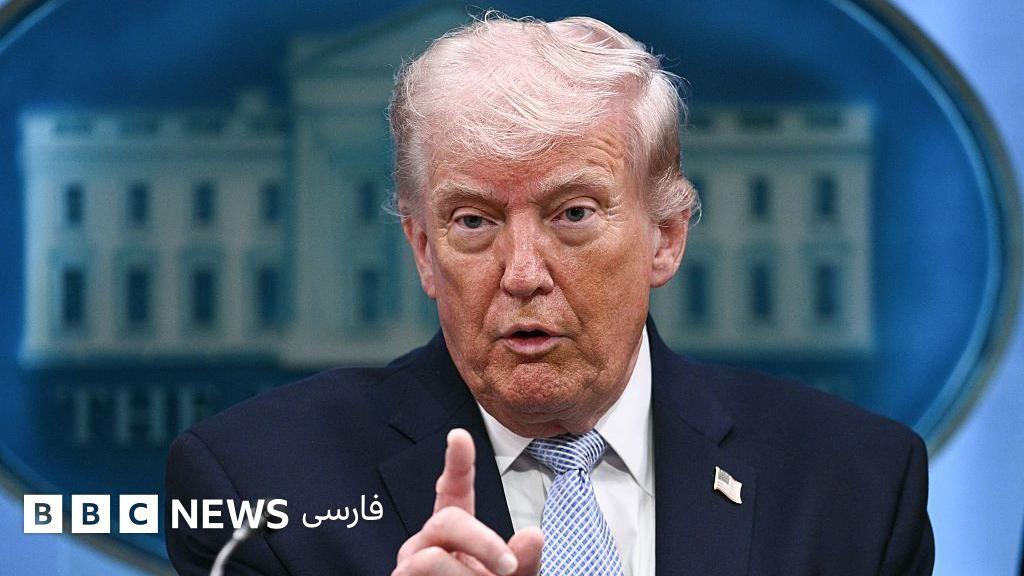
Acting Pentagon press secretary Joel Valdez said in a statement on Friday that “The United States’ blockade in the Strait of Hormuz is operating with full force and delivering the decisive impact we intended,” according to Axios as quoted by Kurdistan24.
Valdez added that U.S. forces would continue maintaining pressure across the region, and the U.S. Central Command said that “since the blockade began, 45 commercial vessels have been forced to turn around or return to port.”
Kurdistan24 also reports that while U.S. forces enforced a blockade in the Gulf of Oman, Iran restricted movement through the Strait of Hormuz, creating “dual pressure on regional shipping lanes.”
The same report ties the escalation to President Donald Trump informing Congress on Friday that the ongoing ceasefire with Iran extends the timeline between “the start of the conflict on February 28, 2026” and the “60-day deadline under the War Powers Resolution.”
Iran curbs output, fills storage
As the blockade tightens around Iran’s oil trade, multiple reports say Iran has begun curbing production and relying on storage capacity that is filling.
Fortune reports that “exports have plunged in recent weeks and storage is rapidly filling,” and that Iran has begun curbing production “according to a senior Iranian official.”
Fortune quotes Hamid Hosseini, a spokesman for the Iranian Oil, Gas and Petrochemical Products Exporters’ Association, saying “We have enough expertise and experience,” and “We’re not worried.”
Fortune also describes the engineering approach as proactively reducing crude output “to stay ahead of capacity limits rather than waiting for tanks to fill completely,” while engineers have learned “how to idle wells without lasting damage and restart them quickly.”
The Iran-focused reporting also specifies the scale of the potential impact: both Fortune and Iran International say the move could affect “as much as 30% of Iran’s oil reservoirs.”
Iran International adds that Bloomberg reported the blockade “took effect on April 13,” and that the country is increasingly turning to floating storage as “aging and in some cases derelict tankers have gathered near Kharg Island, Iran’s main export terminal in the Persian Gulf.”
Stranded tankers and rerouting
Several outlets describe the operational mechanics of the blockade as tankers are stranded in the Gulf of Oman and some vessels are diverted or seized.
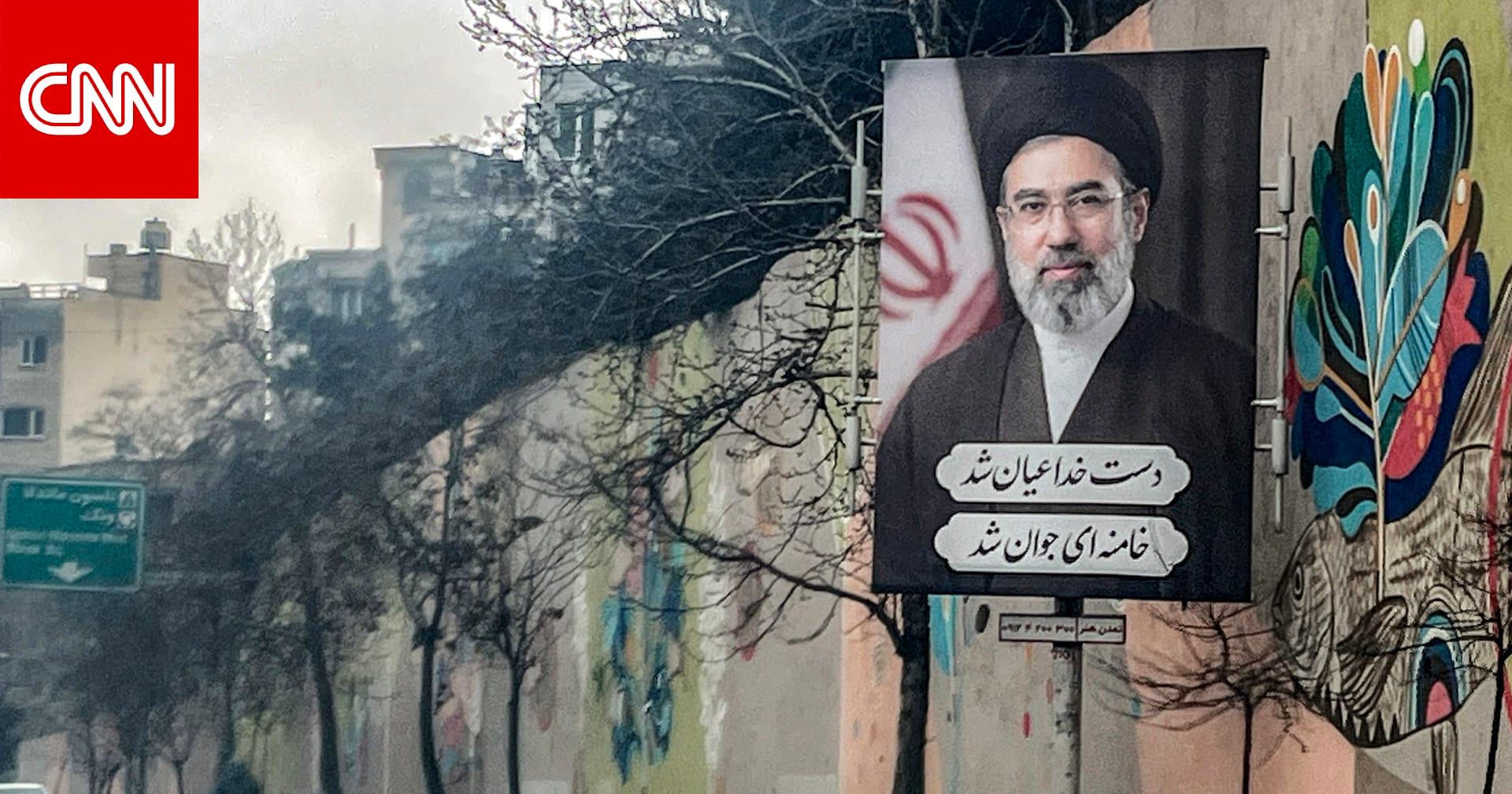
“(CNN) — Iran's Supreme Leader Mojtaba Khamenei said Thursday that 'foreign actors' have no place in the Gulf except 'in the depths of its waters,' amid the confrontation with the United States, according to a new message attributed to him carried by official media”
Mint reports that the U.S. Defense Department estimated Iran has been denied “nearly $5 billion in oil revenue since the Gulf of Oman blockade began on 13 April,” and says “31 tankers carrying 53 million barrels of Iranian crude remain stranded and unable to deliver their cargo.”
Mint also says “The US military has redirected more than 40 vessels that attempted to pass through while carrying oil and other contraband,” and that “Two ships have been seized outright by the US military.”
News18 similarly states that “31 tankers carrying around 53 million barrels of Iranian crude remain stranded in the Gulf,” and that “Two ships have been seized by US forces,” while also describing longer, costlier routes to China to avoid interception.
News18 quotes TankerTrackers co-founder Samir Madani saying, “I think the Iranians will wait for an opportunity to launch an overnight ‘Great Escape’ once they have built up even further storage near the border with Pakistan,” and it uses the tanker name “HUGE” as an example of evasion.
NDTV says analysts estimate Iran is “several weeks, or perhaps as much as a month, away from running out of storage,” and that “oil wells would need to shut down” when storage is exhausted.
U.S. and Iranian responses
U.S. officials and Trump’s administration are quoted emphasizing that the blockade is delivering the intended impact and maintaining pressure, while Iranian responses in this set are sharply critical.
Kurdistan24 reports that acting Pentagon press secretary Joel Valdez said the blockade is “operating with full force and delivering the decisive impact we intended,” and that it is “inflicting a devastating blow to the Iranian regime’s ability to fund terrorism and regional destabilization.”

Multiple outlets repeat Valdez’s language, including Gulf News, which quotes Valdez saying, “The United States' blockade in the Strait of Hormuz is operating with full force and delivering the decisive impact we intended,” and adding that “Our Armed Forces in the region will continue to maintain this unrelenting pressure.”
Gulf News also quotes U.S. Treasury Secretary Scott Bessent calling Iranian leadership “rats in a sewer pipe,” and says Bessent asserted the blockade would continue until “freedom of navigation” is restored to conditions seen prior to “February 27.”
Gulf News further reports that the Iranian Embassy in South Africa responded to Bessent’s remarks by saying, “Everyone knows that you and your pedophile boss lost the war, and those pathetic noises you make come from pain, not victory. You lost both on the battlefield and in cyberspace. Idiot.”
In parallel, The New Indian Express quotes President Donald Trump saying it was “treasonous” to suggest the United States was not winning the war with Iran, and it includes Trump’s Florida remarks that “We get the radical left to say, 'We're not winning, we're not winning.'”
Economic strain and looming limits
Beyond oil revenue figures, the sources describe a broader economic squeeze and a looming storage limit that could force production cuts.
“As the US naval blockade in the Strait of Hormuz tightens around Iran’s oil trade, exports have plunged in recent weeks and storage is rapidly filling”
Fortune frames the blockade as tightening around Iran’s oil trade while “storage is rapidly filling,” and it says Tehran is trying to outlast “the economic pain felt by the US, including from high oil prices,” with oil prices reaching “a four-year high this week.”

Fortune also notes that Trump predicted last Sunday that Iran’s oil infrastructure would “explode” within three days, a deadline that “has come and gone,” and it says officials familiar with Iran’s energy policy estimate “a narrowing window of roughly a month, at current production levels, before it runs out of storage capacity.”
Iran International adds that Bloomberg said U.S. Treasury Secretary Scott Bessent warned Kharg Island was “soon nearing capacity,” and that the pressure could cost Iran about “$170 million a day in lost revenue” and force negotiations.
Mint and News18 both describe the operational threshold in similar terms, with Gregory Brew of the Eurasia Group telling Axios that Iran is “several weeks, or perhaps as much as a month, away from running out of storage.”
The National Council of Resistance of Iran describes a “digital siege” that has entered its “64th day,” with NetBlocks recording “more than 1,500 hours of nationwide internet restrictions and outages,” and it says daily economic losses from the blackout are estimated at “$30–35 million,” totaling “roughly 300 trillion tomans over two months.”
More on Iran
Reuters Investigation Links Nobitex Founders Ali And Mohammad Kharrazi To Sanctioned Entities
11 sources compared

Donald Trump Reviews Iran’s 14-Point Proposal, Threatens New Strikes If Tehran Misbehaves
31 sources compared

Donald Trump Reviews Iran’s 14-Point Peace Proposal, Says Iran Has Not Paid Enough Price
26 sources compared
Iran Submits 14-Point Proposal to U.S. Through Pakistan, Trump Reviews Ceasefire Plan
26 sources compared