
Iran Submits 14-Point Proposal to U.S. Through Pakistan, Trump Reviews Ceasefire Plan
Key Takeaways
- Iran sent 14-point plan to US via Pakistan to end war, including lifting Hormuz blockade.
- Trump said he is reviewing the proposal and is unsure a deal can be reached.
- Demands all issues resolved and war ended within 30 days.
A 14-point bid via Pakistan
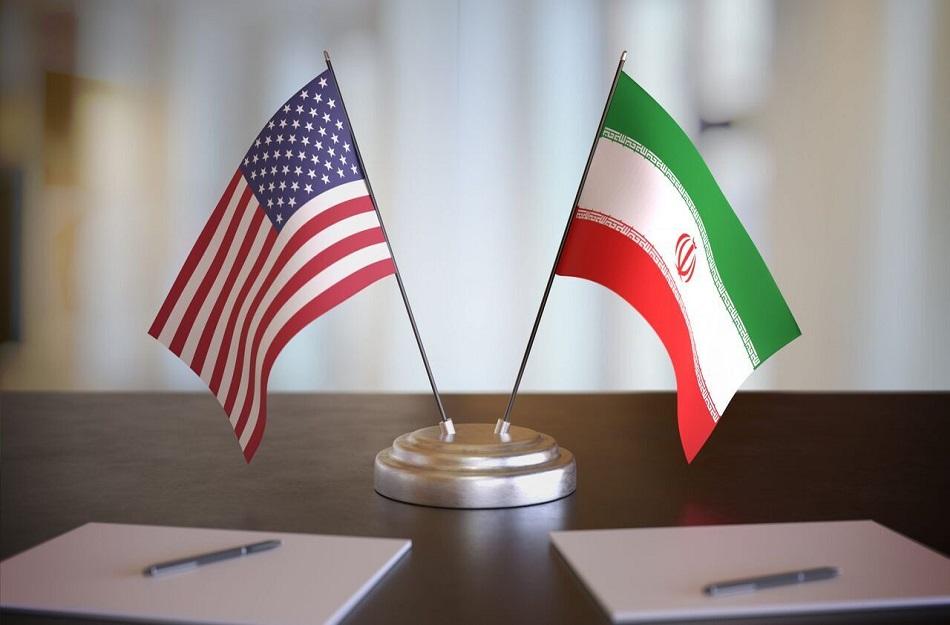
Iran has submitted a new 14-point proposal to the United States in an effort to reach a permanent end to the war, with the latest diplomatic step routed through Pakistan as mediator.
Al Jazeera says Tehran sent the proposal to Pakistan “Late on Thursday,” and that Pakistan “got the two sides to agree on the ceasefire.”
The same Al Jazeera report says the 14-point plan was formulated in response to a “nine-point US plan,” and that “weeks since the ceasefire began on April 8, Washington and Tehran have been unable to negotiate a peace deal.”
NPR reports that Iran submitted a 14-point response to the U.S. proposal, with key points including a demand to resolve all issues and end the war within 30 days instead of observing a two-month ceasefire.
CBS News adds that President Donald Trump told reporters Saturday that he was reviewing the new proposal and said, “I’ll let you know about it later,” before boarding Air Force One.
The Times of India similarly reports Trump’s skepticism, quoting his Truth Social post that he “can’t imagine that it would be acceptable in that they have not yet paid a big enough price for what they have done to Humanity, and the World, over the last 47 years.”
What Iran wants, point by point
Across the reporting, Iran’s 14-point proposal is described as seeking a comprehensive end to hostilities across multiple fronts, paired with changes to U.S. military posture and the maritime standoff around the Strait of Hormuz.
NPR lists demands including “guarantees against future military aggression,” “the withdrawal of U.S. forces from Iran's periphery,” “an end to the naval blockade,” “the release of frozen Iranian assets,” “payment of reparations,” “the lifting of sanctions,” and “an end to fighting in Lebanon,” alongside “a new mechanism governing the Strait of Hormuz.”

Al Jazeera says the proposal calls for “guarantees against future attacks,” “a withdrawal of US forces from around Iran,” “the release of frozen Iranian assets worth billions of dollars,” and “the lifting of sanctions,” plus “war reparations” and “ending all hostilities, including in Lebanon.”
Haaretz reports that Iran’s semi-official Tasnim news agency said the proposal calls for “a comprehensive end to the war across all fronts – including in Lebanon,” and also includes “the lifting of the U.S. naval blockade and the withdrawal of American forces from the region.”
The Times of India adds that Iran’s plan “rejects any temporary truce,” pushing instead for “a permanent resolution within 30 days,” and it says the proposal includes “demands for security guarantees preventing future attacks on Iran” and “the lifting of naval restrictions and blockades.”
Al Jazeera also frames a nuclear dimension: it says Tehran wants its right to uranium enrichment guaranteed as a signatory to the Non-Proliferation of Nuclear Weapons (NPT), while Trump has made the nuclear issue a “red line.”
Trump reviews; nuclear remains a red line
President Donald Trump’s response, as described by multiple outlets, combines a willingness to review Iran’s proposal with explicit doubt about whether it can be acceptable.
“Iran has offered a new 14-point proposal to the United States in the latest diplomatic step to reach a permanent end to the war, which has exposed the limits of US military dominance and shaken the global economy”
CBS News reports Trump told reporters Saturday, “I haven’t seen it,” and said, “I’m looking at it up here,” before adding, “They told me about the concept of the deal. They’re going to give me the exact wording now.”
The Times of India quotes Trump’s Truth Social post that he is reviewing the plan but “can’t imagine that it would be acceptable” because Iran has not paid “a big enough price” over “the last 47 years.”
Al Jazeera says Trump is studying the proposal but is “not sure he can make a deal with Iran,” and it notes he had voiced frustration with a previous offer from Tehran through Pakistan.
Al Jazeera also quotes Deputy Foreign Minister Kazem Gharibabadi, saying, “Now the ball is in the United States’ court to choose the path of diplomacy or the continuation of a confrontational approach.”
A U.S. policy framing appears in Al Jazeera’s discussion of the nuclear issue, where it says Trump has made Iran’s nuclear capability a “red line.”
Paul Musgrave, an associate professor of government at Georgetown University in Qatar, is quoted by Al Jazeera saying Iran has “slightly softened” its proposal, while also arguing that “on the two biggest issues – enrichment of uranium and transferring its highly enriched uranium – the US and Iran remain “far apart.”
Stakes: Hormuz, blockade, and escalation risk
The proposal and the U.S. reaction are set against an ongoing maritime confrontation in the Strait of Hormuz, where multiple reports describe continued pressure and the possibility of renewed strikes.
Al Jazeera says Trump has insisted Iran first end the effective blockade of the Strait of Hormuz, adding that “a fifth of global oil and gas exports pass” through the strait, and it says Iran’s de facto blockade came in response to U.S. and Israel launching attacks on February 28.
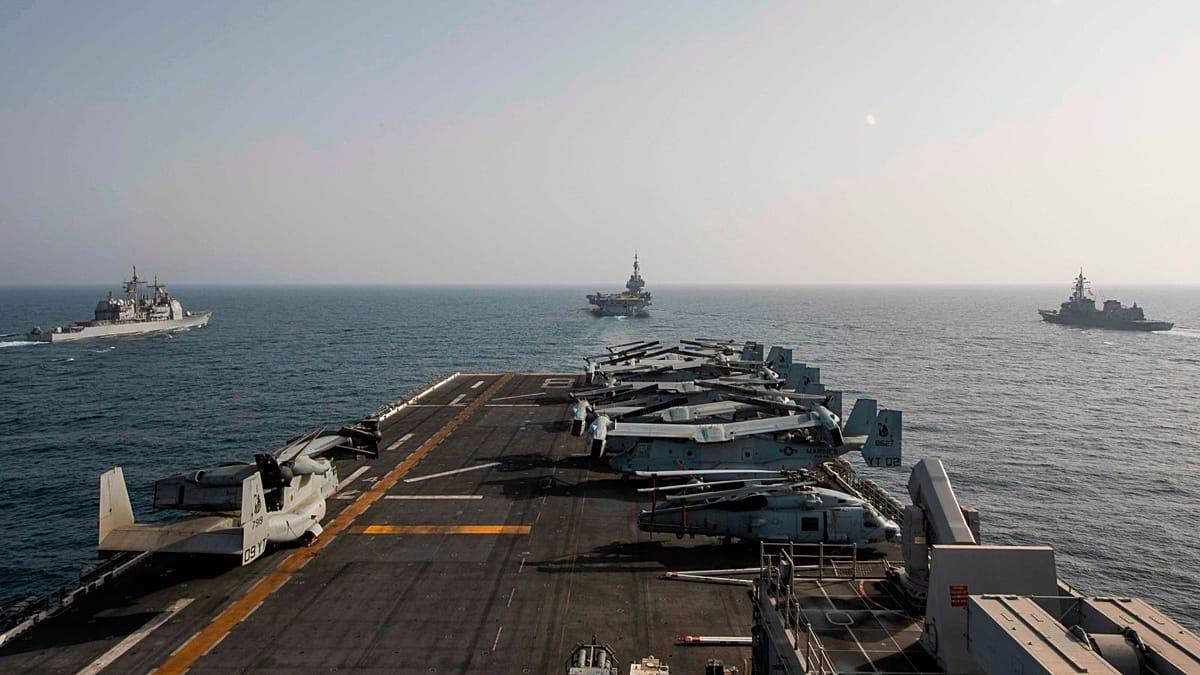
It also says a naval blockade of Iranian ports by the Trump administration, “despite the ceasefire deal,” has heightened tensions, and that the U.S. and Iran have been “continuing to attack, capture, and intercept each other’s ships.”
NDTV reports the U.S. warned shipping companies they could face sanctions for paying Iran to transit safely through the Strait of Hormuz, and it says the U.S. Office of Foreign Assets Control alert adds pressure in the standoff over control of the strait.
PBS/Associated Press reports the U.S. warned shipping companies they could face sanctions for paying Iran to pass safely through the Strait of Hormuz, and it says Iran effectively closed the strait by attacking and threatening ships after the U.S. and Israel launched a war on Feb. 28.
In parallel, NDTV says Trump told reporters Saturday there is “the possibility the United States could restart strikes on Iran,” and it frames the decision as tied to whether Iran “misbehaves.”
Gulf News adds a legal and political dimension, saying the White House asserted to Congress in a letter Friday that hostilities have “terminated” despite continued U.S. armed forces in the region, and it quotes Trump describing two options: “do we want to go and just blast the hell out of them and finish them forever? Or do we want to try and make a deal?”
Competing narratives and regional spillover
While Iran’s proposal is presented as a path to end the war, the reporting also shows competing narratives about what has changed and what remains unresolved, alongside continued regional violence.
Al Jazeera includes an assessment by Paul Musgrave that Iran has “slightly softened” its proposal, while Kenneth Katzman of the Soufan Center says Iran’s mistrust of Trump remains a bigger obstacle, quoting him that “Iran really mistrusts Trump and the United States and does not want to move, really, into full discussion until this blockade is lifted.”

Ynetnews, by contrast, says Iranian agencies published details indicating Tehran “did not compromise on anything” and “plans to control Hormuz,” and it claims Iran has not softened any element of the “10-point plan it previously presented.”
Gulf News describes Tehran’s stance as threatening retaliation and signals continued control over the Strait of Hormuz, while also quoting Trump’s frustration that “It’s a very disjointed leadership.”
On the ground in Lebanon, CBS News reports Israeli strikes and evacuation warnings continue even as ceasefires are referenced, saying Israel issued “a new warning for residents of nine southern villages to evacuate,” and it describes bulldozers destroying parts of a Catholic convent in Yaroun.
The same CBS News report says Hezbollah, described as “an Iranian proxy,” has kept up attacks despite a ceasefire in place since April 17.
Haaretz’s account of the Iranian proposal emphasizes that it includes “a comprehensive end to the war across all fronts – including in Lebanon,” underscoring how Lebanon remains central to the diplomatic package.
More on Iran
Pentagon Says U.S. Blockade In Strait Of Hormuz Cost Iran $4.8 Billion In Lost Oil Revenue
28 sources compared

Reuters Investigation Links Nobitex Founders Ali And Mohammad Kharrazi To Sanctioned Entities
11 sources compared

Donald Trump Reviews Iran’s 14-Point Proposal, Threatens New Strikes If Tehran Misbehaves
31 sources compared

Donald Trump Reviews Iran’s 14-Point Peace Proposal, Says Iran Has Not Paid Enough Price
26 sources compared