Technology and Scienceupdated 35m ago3 min read
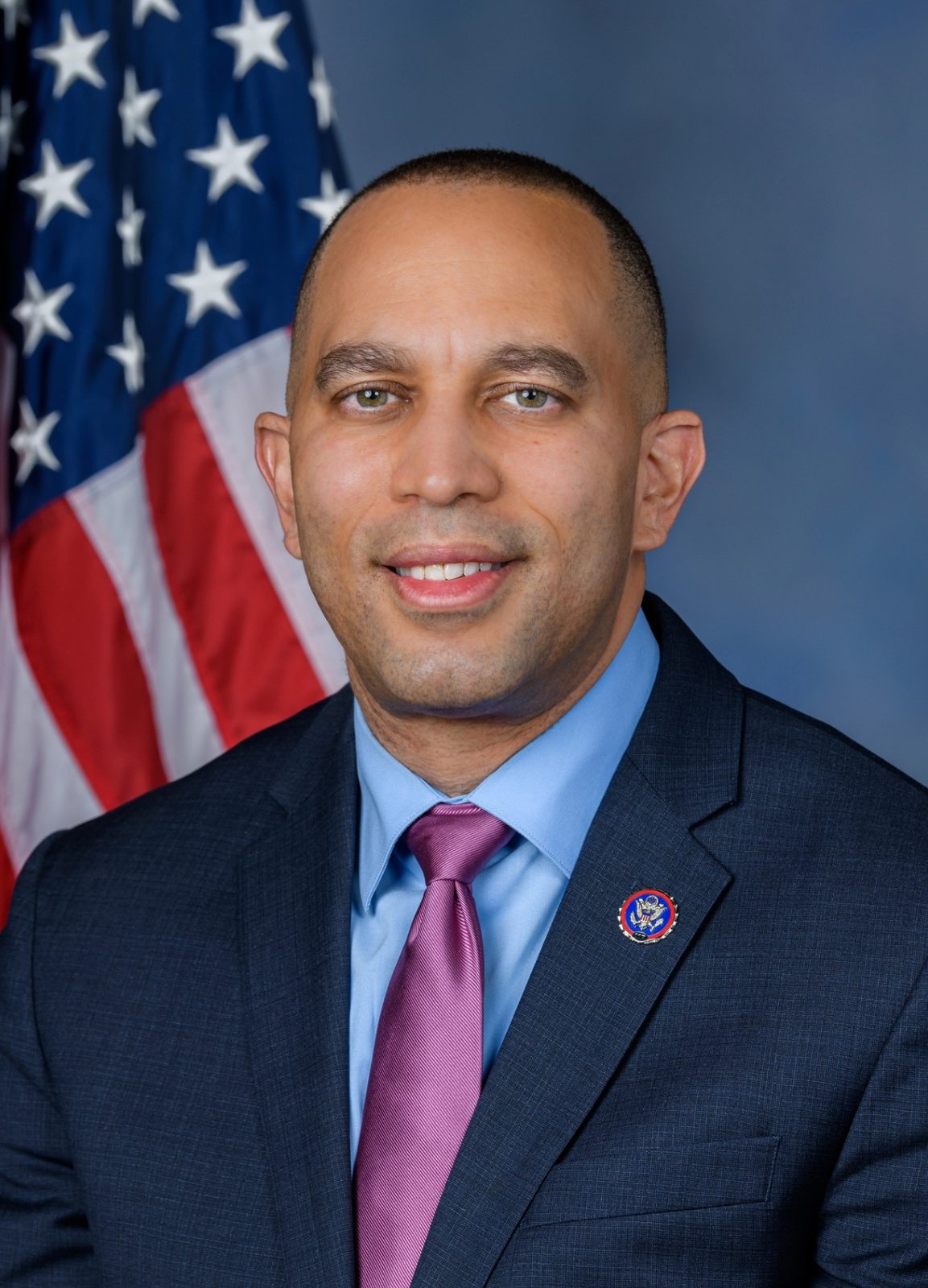
Archive photoHakeem Jeffries Backs “Medicare for More” Plan With Trump Talks
6 Western Mainstream1 Other1 Western AlternativePhoto: Office of Representative Hakeem Jeffries / US federal government, Public domain · Cropped for layout
This article is an automated aggregation of coverage from news outlets. Our editorials offer in-depth analysis curated by the NewsCord team.
Jeffries backs lowering Medicare eligibility age and broadening coverage. Trump signals willingness to negotiate on healthcare with Democrats.
Save coverage image
8 outlets in this story. Read their headlines below.
Outlets did split on Haaretz Reports 23 Israeli Soldiers and Officers Died by Suicide in 2026 →
Medicare for More
Incoming House Speaker Hakeem Jeffries is backing an incremental Medicare expansion framed as “Medicare for More,” which would lower the eligibility age for Medicare, expand dental, vision, and hearing care, and provide universal coverage for children while maintaining the status quo for people ages 26 to 55.
“The middle path has been dubbed ‘Medicare for More.’”
Rep. Summer Lee, D-Penn., argued that “The mandate from voters is change. The American people literally cannot afford to return to the status quo,” as the Intercept described the plan as a middle path between incremental steps and a full Medicare for All push.
Jayapal said Jeffries agreed to two out of three requests at a Congressional Progressive Caucus meeting, including support for an initial phase-in and a Congressional Budget Office score for the full Medicare for All act.
Jeffries outlined areas where Democrats “can explore coming together” with President Trump, including lowering the age of Medicare eligibility, expanding coverage to include vision, hearing and dental, and ensuring children get coverage.
President Donald Trump reposted on Saturday a screenshot of incoming Democratic Sen. Abdul El-Sayed’s post of a gold “Trumpcare” card, linking the broader Medicare debate to a potential willingness to work with Democrats.
Compromise signals and costs
President Donald Trump told reporters Friday, “I am open to great healthcare. Now, can it be what they want? No, but it can be a combination of what we all want,” as CBS News framed it as openness to compromise on healthcare.
In a statement to Fox News, a White House spokeswoman blasted the idea of working toward universal coverage as “Medicare for None,” while CNN tied the exchange to Trump’s repost of El-Sayed’s “Trumpcare” card.
NPR quoted Nicholas Bagley, a law professor at the University of Michigan, saying, “It's cosplay,” as the article argued that many Americans do not understand what “Medicare for All” means.
NPR also reported that the Medicare program’s hospital insurance trust fund is projected to become insolvent in 2033, and it said the program requires significant out-of-pocket spending on premiums, deductibles, and coinsurance.
The Hill reported that Trump raised eyebrows over the weekend when he shared to Truth Social El-Sayed’s “Medicare for All” proposal, which Trump dubbed “TrumpCare,” after Trump said he would be willing to compromise on healthcare.
What comes next
KFF’s Larry Levitt told CNN, “A challenge with Medicare for All proposals has always been how do you get from here to there,” as the article described Democrats positioning incremental steps as a way to expand access.
CNN reported that Sen. Tammy Baldwin introduced in November the “Medicare at 50 Act,” which would allow the more than 58 million Americans ages 50 to 64 to buy into the program.
Hakeem Jeffries called for lowering the eligibility age for Medicare, expanding coverage to include vision, hearing, and dental care, and providing coverage to all children in the United States of America.
Sen.-elect Abdul El-Sayed posted an image on social media of a gold card labeled “TrumpCare,” stating the universal health care proposal is “on the table” when the Democrat-controlled Congress starts in January.
Jayapal argued that “none of those attacks work when people are already experiencing $20,000 in premiums,” as it described opponents warning that a public plan would raise taxes, create longer wait times, and separate people from their preferred doctors.