Gaza Genocide24 October, 20253 min read
Hamas and Palestinian Factions Hand Gaza Administration to Technocrat Committee Amid Israeli Siege
Hamas and other Palestinian factions agreed to hand Gaza administration to independent technocrats. The technocrat committee will manage basic services and governance temporarily after the war.

19 outlets told this the same way.
Outlets did split on Israel Marks Oct. 7 Anniversary With Strikes on Gaza, Netanyahu Faces Election After Nova Tribute →
Post-War Gaza Governance
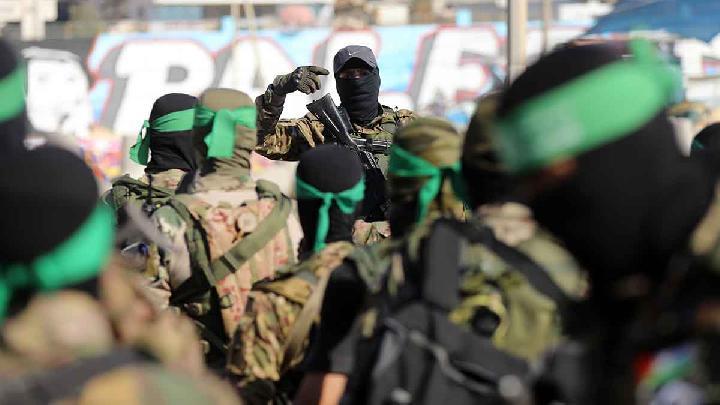
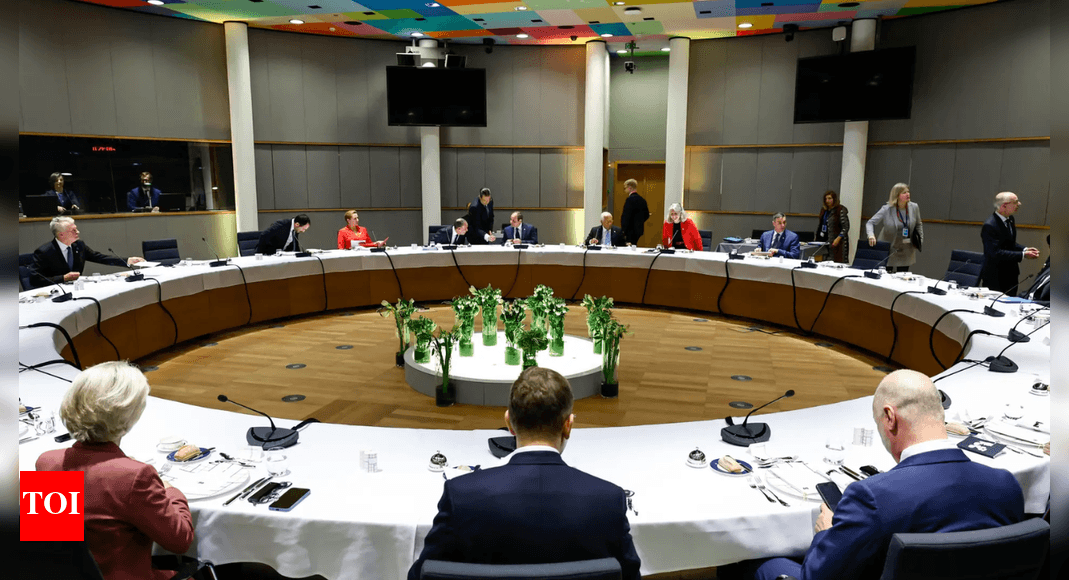
Palestinian factions, including Hamas, say they have handed post‑war Gaza’s day‑to‑day administration to a temporary committee of independent technocrats formed in Cairo. This committee is tasked with running basic services in coordination with Arab partners and international organizations. The factions also support an international mechanism to oversee reconstruction funds.
“Major Palestinian factions, including Hamas, announced on October 24 that they have agreed to transfer the administration of post-war Gaza to an independent committee of technocrats.”
They are pushing a broader political track to revitalize the Palestine Liberation Organization (PLO) as the sole representative of Palestinians. Several outlets describe this as a major concession by Hamas on governance, even as Hamas resists disarmament. Some factions further urge a UN resolution to authorize temporary international forces to monitor the ceasefire on the ground.
US-Palestinian Conflict Dynamics
Washington’s terms clash directly with Palestinian positions. US Secretary of State Marco Rubio is quoted setting conditions that Gaza be demilitarized and that Hamas and UNRWA be excluded from future governance, while also criticizing Israeli annexation moves. Hamas, however, says it will not disarm until there is an independent Palestinian state and views its weapons as vital leverage.
A Palestinian coalition statement highlighted by European coverage supports a ceasefire mechanism and international peacekeepers but pointedly avoids endorsing Hamas’s disarmament or exclusion. One Asian outlet also reports roughly 200 US troops are working alongside Israeli forces and international delegations on reconstruction and ceasefire maintenance, underscoring Washington’s on‑the‑ground role.
Conflict and Humanitarian Crisis
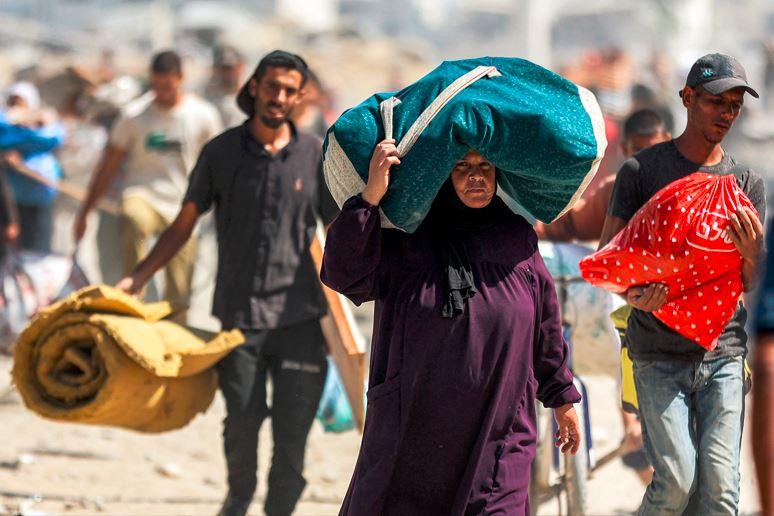
On the ground, Israel is still bombing Gaza even after the peace plan and hostage releases. Aid remains strangled and hunger is catastrophic. The World Health Organization reports minimal improvement in aid delivery and describes conditions as catastrophic.
“Following a peace plan signed with fanfare and the release of Israeli hostages, Israel continues bombing Gaza.”
European and alternative outlets report that Hamas is urging mediators to pressure Israel to stop killings, reopen Rafah, and allow aid. Western mainstream coverage documents Israeli forces killing Palestinians in the occupied West Bank, including a 10-year-old and an 18-year-old. The United Nations counts over 1,000 Palestinians killed in the West Bank since October 7.
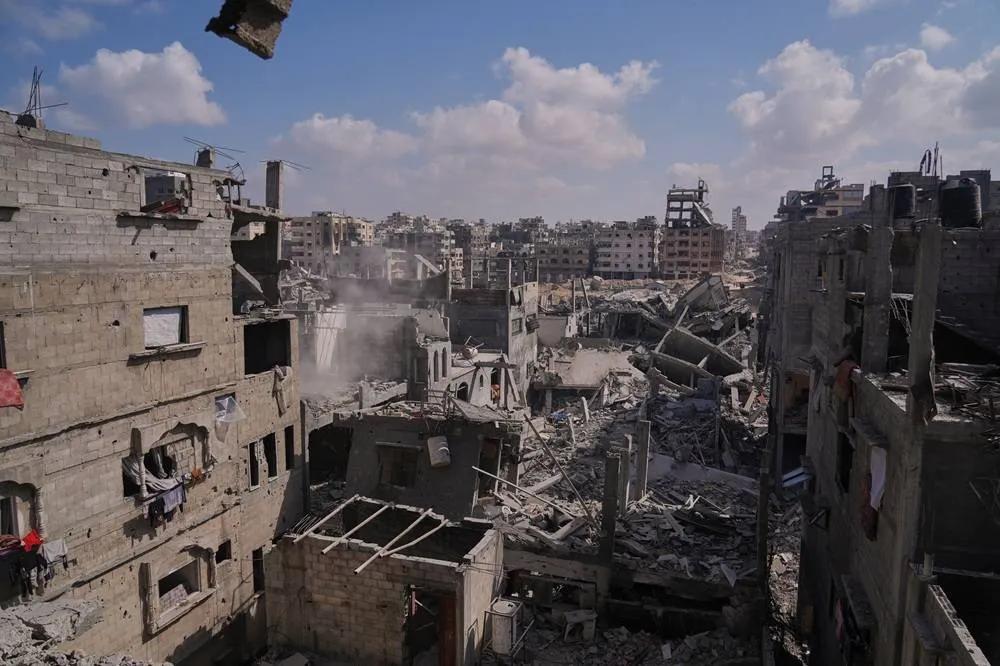
Reports describe destroyed homes, trapped bodies, blocked roads, and more than a million people in danger as winter approaches. These details underscore that the siege continues to punish civilians.
Ceasefire Challenges and Diplomacy
Regional diplomacy highlights the contested nature of the ceasefire. TRT World reports that Palestinian factions are seeking a UN resolution to authorize temporary international forces to monitor the ceasefire. The Guardian notes Turkey’s shift, with President Erdoğan welcoming Hamas leaders and accusing Israel of genocide in Gaza, a claim Israel denies.
At the same time, The Guardian reports that Hamas says mediators in Egypt, Qatar, and Turkey have guaranteed the war has effectively ended and urged more pressure on Israel to allow aid in. The World Health Organization still observes minimal improvement in the situation. El Periódico adds that Israel’s army killed a Hezbollah logistics commander in southern Lebanon despite a ceasefire there since November, indicating the risk of escalation beyond Gaza.
Palestinian Political Developments
The governance shift also aims to rebuild Palestinian political coherence. Multiple outlets say the factions want to revitalize the PLO as the sole legitimate representative, even though Hamas is not part of it and rivalry with Fatah persists. Some reports mention internal criticism from Fatah regarding this effort.
“The factions also committed to unifying their political stance to address challenges facing the Palestinian cause and called for revitalizing the Palestine Liberation Organization (PLO) as the sole legitimate representative of Palestinians.”
Other coverage highlights the committee’s transparency and the establishment of an international fund-oversight body. These reports also emphasize the rejection of annexation and displacement. Western Alternative and Western Mainstream outlets focus on Israeli annexation plans and U.S. reactions.
Palestinian factions and others have rejected a Knesset annexation bill. Analysts warn that Washington opposes formal annexation but note that settlements amount to de facto annexation, which threatens any peace process.